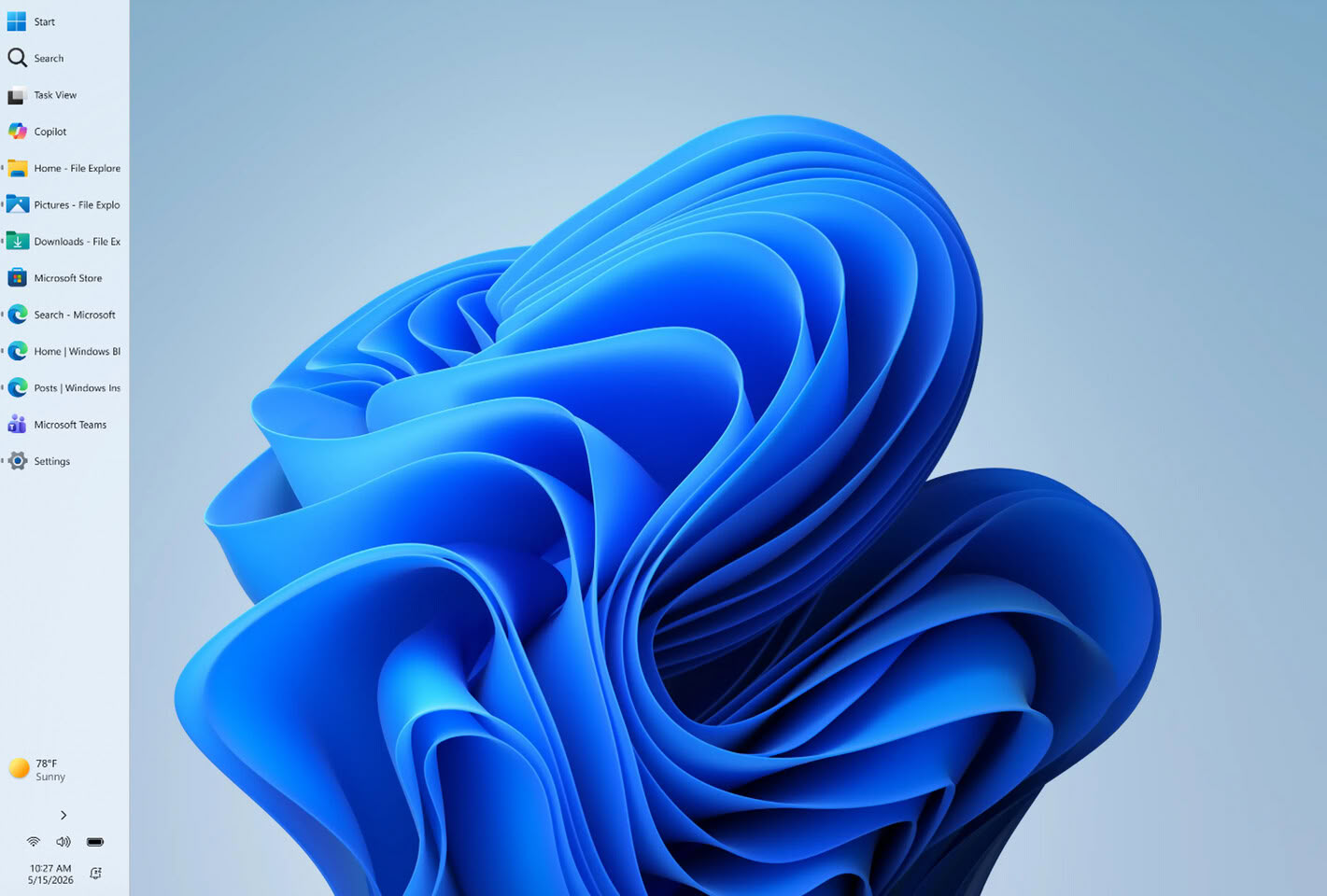
Microsoft has officially confirmed that the inability to drag and drop the Windows 11 taskbar is a deliberate design choice rather than a technical limitation. The company moved away from the drag-and-drop functionality found in Windows 10 to prevent accidental repositioning of the interface elements.
Diego Baca, Vice President of Design at Microsoft, stated that internal research indicated users rarely change the position of their taskbar. By requiring users to adjust settings through the dedicated menu, the company aims to provide a more predictable and intentional experience for the operating system interface.
The current implementation in Windows 11 requires users to navigate to the settings application to move the taskbar to a different screen edge. This approach replaces the previous method of clicking and dragging, which historically necessitated a lock feature to keep the taskbar in place.