

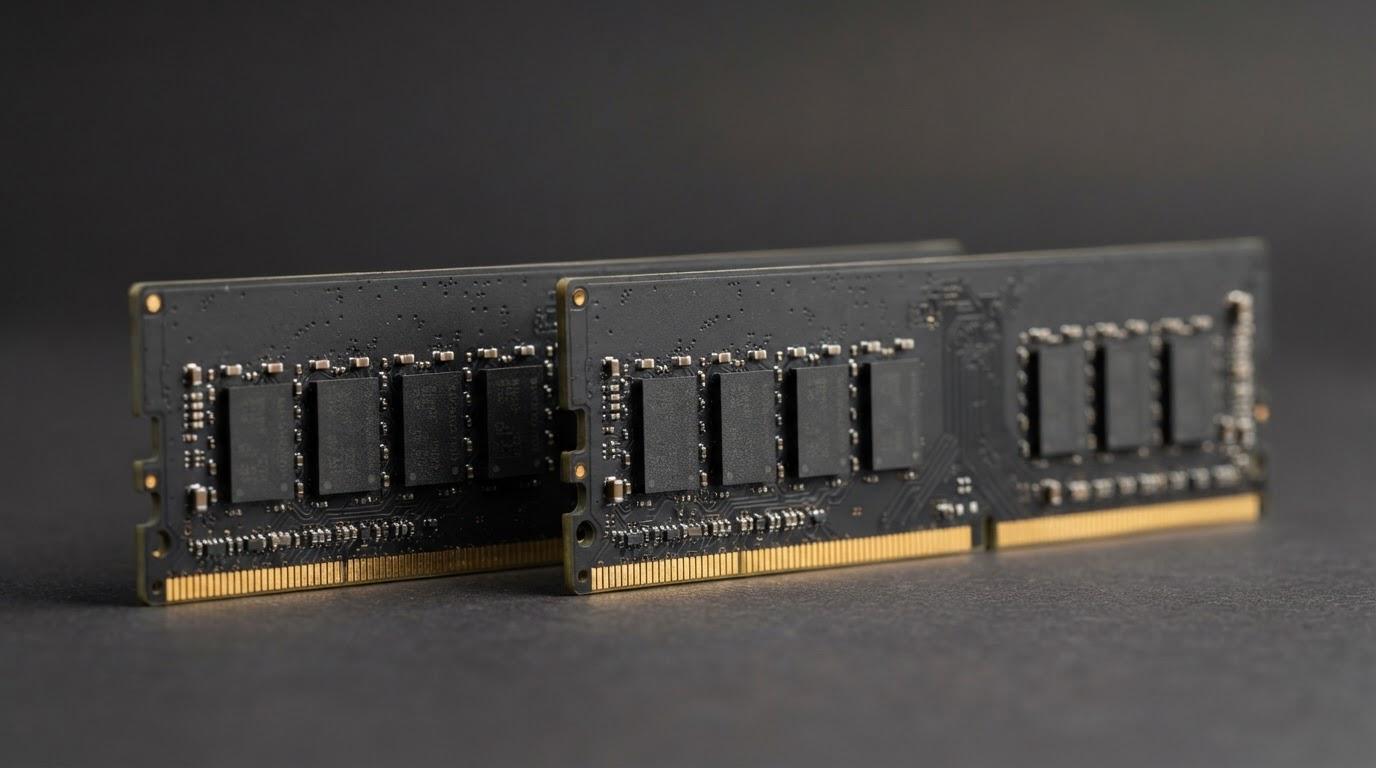
According to Barclays, the shortage of memory chips may persist until 2029. Analysts report that spot prices for DDR5 memory increased by 8% in October alone. However, DDR4 memory is currently showing a faster price growth trend compared to the newer generation.
Data from Barclays indicates that contract prices for DDR4 rose by 4% in October and by 24% over the last three months. In comparison, DDR5 prices increased by 3% and 20% during the same periods. This shift highlights a notable trend in the current memory market dynamics.
Citi analysts project that the supply deficit for DRAM and NAND will continue until 2028. The bank estimates that the demand for DRAM will exceed supply by 13.9% in the fourth quarter of 2027. For NAND, the peak supply gap is expected in the first quarter of 2028 at 8.3%.
The ongoing deficit is largely driven by the surging demand for artificial intelligence systems. Manufacturers are prioritizing the production of DRAM and high-bandwidth memory (HBM) for AI accelerators. This strategic shift limits the capacity to increase NAND production, affecting multiple market segments.


