The Shipping Consultative Group (CSG), representing over one-fifth of global trade tonnage, issued its first public statement in over 60 years. The group, which includes Greece, Singapore, Denmark, Japan, Canada, the UK, the Netherlands, and South Korea, warns that the rules governing global shipping are failing due to war and the rise of 'shadow fleets' operating outside Western regulation.
The CSG highlights that shipping routes are increasingly used as tools for influence and sources of risk. Brian Vessel, head of the Danish Maritime Authority, noted that standards set by the International Maritime Organization (IMO) are being weakened, threatening the long-standing premise of free cross-border navigation and fair global competition.
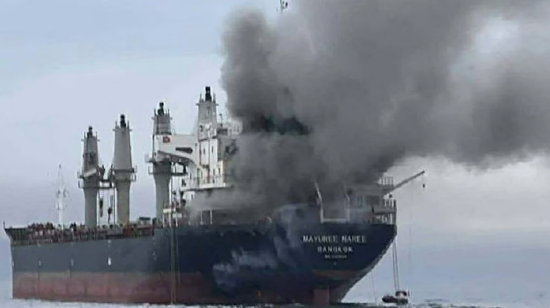
Geopolitical tensions have led to attacks on civilian shipping targets by Russia, Ukraine, the USA, and Iran. Additionally, Iran's attempts to establish a toll system in the Strait of Hormuz, which handles about one-fifth of global oil and gas transport, have raised concerns about creating a dangerous precedent for other nations controlling key maritime chokepoints.
Sanctions imposed by the US, EU, and UK on Russia and Iran have fueled the growth of shadow fleets. According to TankerTrackers.com, these fleets now exceed 1,500 vessels, accounting for nearly one-fifth of global tanker capacity. Most of these ships lack traditional insurance, posing significant financial risks to coastal states in the event of accidents.