The Linux 7.4 kernel merge window has concluded, marking the largest in the project's history. This release introduces foundational support for upcoming hardware, including AMD Ryzen Zen 6 platform enablement and initial compatibility for Apple M4 and A18 Pro SoCs. While the Apple silicon support is currently limited, the kernel now includes device tree additions for these chips.
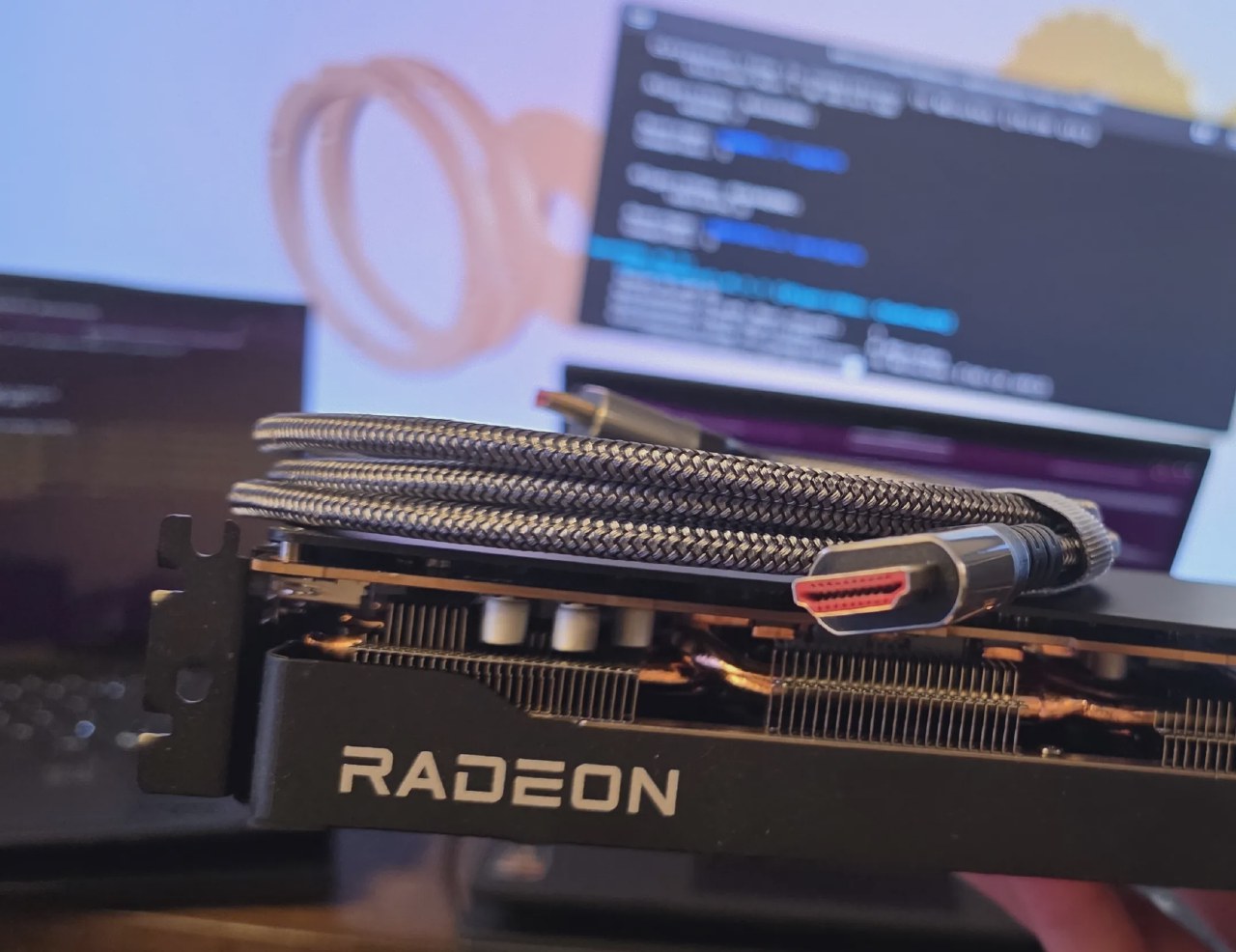
Graphics and display improvements feature prominently in this update. The AMDGPU driver now enables HDMI 2.1 support by default, including VRR and FreeSync functionality. Additionally, AMD PerfOpt is active by default to enhance AI and LLM performance on Radeon integrated GPUs. The Intel Xe driver has also received updates, adding vRAM health checks and improved migration queue performance.
The kernel expands support for mobile and specialized hardware, including the Google Tensor G5 SoC and the Steam Frame VR headset. Qualcomm hardware support grows with the addition of the Adreno A830, A845, A850, and X2-85 to the MSM DRM driver. Furthermore, a new driver for Nintendo Switch 2 controllers has been integrated into the mainline kernel.
System-level optimizations include significant improvements to the early boot-time physical memory allocator, which reduced boot times from approximately 265 seconds to 50 milliseconds in testing. The update also introduces CXL support for Dynamic Capacity Devices, allowing for dynamic memory scaling without host reboots. Other changes include RISC-V optimization and new power management features for Intel Rugged Panther Lake.