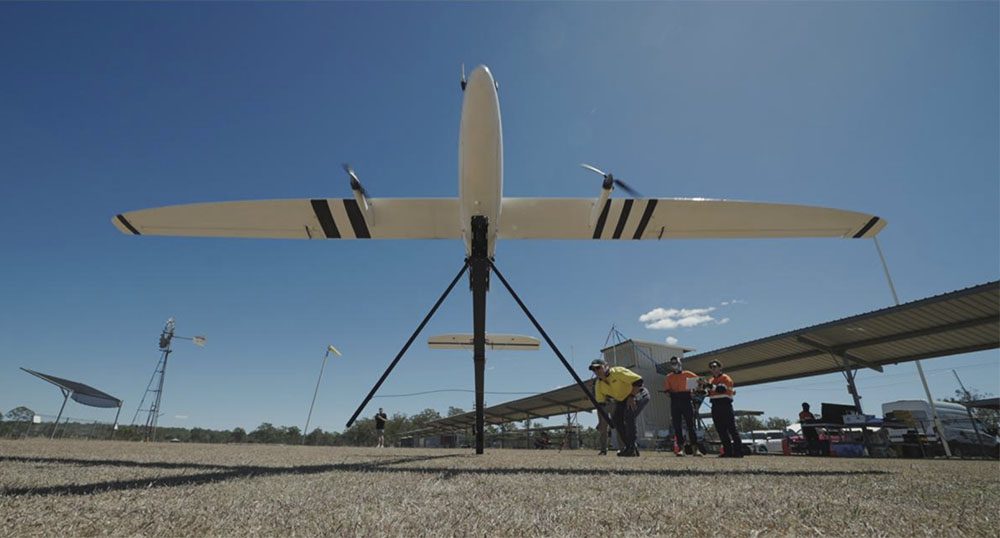
The Pegasus long-endurance drone, featuring a five-meter wingspan, completed a test flight in Queensland lasting nearly two hours and covering over 75 km. The aircraft is powered by a 382 Wh lithium-sulfur battery pack developed by Li-S Energy.
The drone is a collaborative project between V-TOL Aerospace, which designed the airframe and power systems, and Halocell Energy, which provided the perovskite solar array. The flight test utilized a battery management system integrated with the drone's power controls.
Li-S Energy reported that its 1.1 kg lithium-sulfur cells provided 80% more range and flight time compared to a 1.85 kg lithium polymer pack. The company has filed two patent applications related to the battery pack design and management system.
The project was supported by an Australian government grant of over AUD 1.35 million through the Emerging Aviation Technology Partnership program, with matching funds from the partners. Development and flight testing are now complete.
Future plans for the Pegasus platform include using two battery packs and upgraded solar arrays to achieve flight durations of five to eight hours and distances of 250 km. The partners are currently analyzing flight data to assess commercial potential.