

Li Auto is transitioning its proprietary technology divisions into independent business units to attract external customers and outside capital. The company intends to supply its Mach M100 driver-assistance chips, silicon carbide modules, and range extenders to third parties. This strategy mirrors similar initiatives by Chinese competitors Nio and Xpeng, which are also commercializing their in-house automotive technologies.
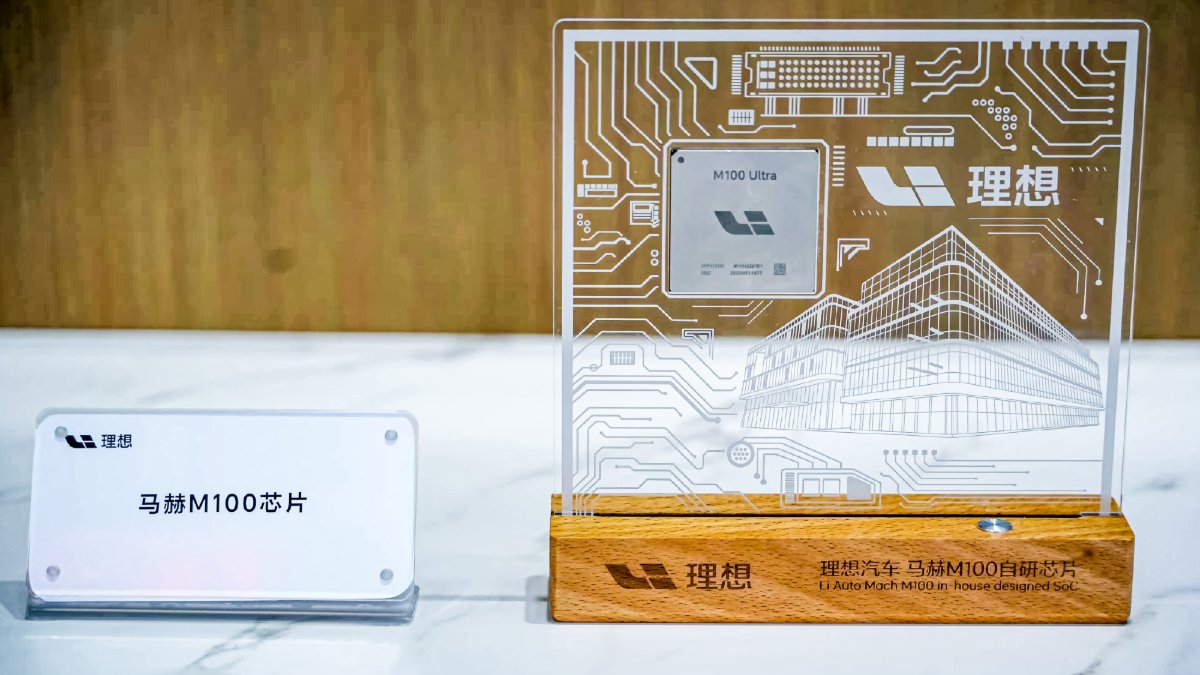
The company has established a dedicated entity, Xinchuang Zhihe (Shanghai) Technology Co Ltd, to manage its chip operations. The Mach M100 chip, manufactured on a 5 nm process, provides 1,280 TOPS of computing power. Management has already initiated discussions with embodied AI firms regarding the potential adoption of these chips, though no formal supply agreements have been finalized to date.
The silicon carbide module venture, Sike Semiconductor, which is 70 percent owned by Li Auto, has begun operating independently with its own board. The unit is currently seeking external funding and preparing for a potential IPO to reduce reliance on the parent company. Meanwhile, Li Auto continues to invest heavily in R&D, reporting quarterly spending of approximately ¥3 billion for six consecutive quarters.
While Li Auto is opening its range-extender systems to external clients, it has no current plans to sell its in-house batteries to third parties. The company reported a net loss of ¥1.7 billion for the second quarter, despite holding cash reserves of ¥87.5 billion. Expanding the customer base for its core technologies is intended to help distribute manufacturing and research costs.

