

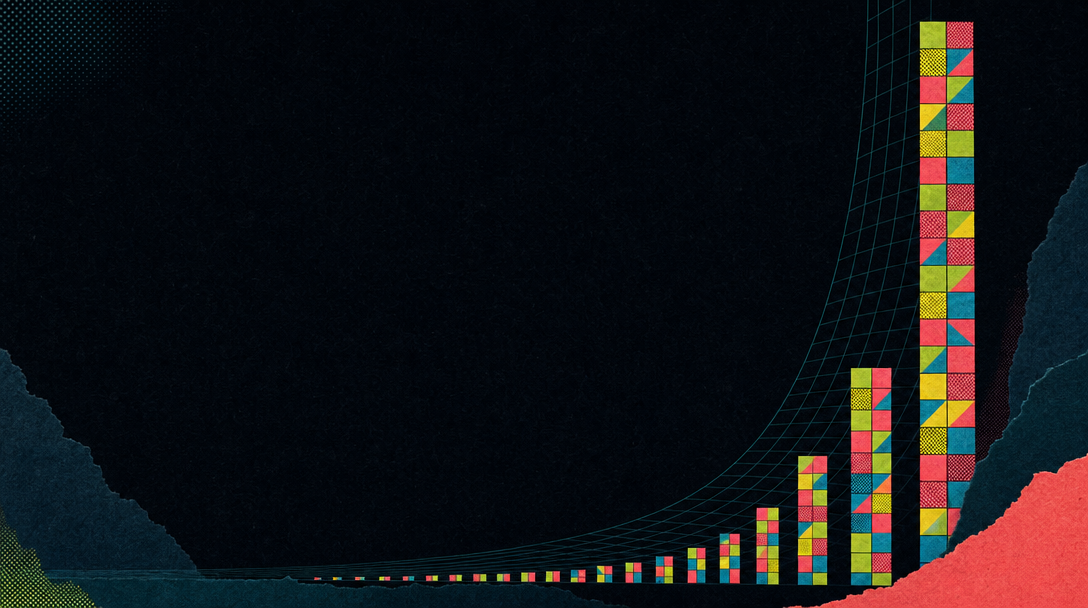
Andrej Karpathy, a co-founder of OpenAI who recently joined Anthropic, identifies a growing disparity in the perception of AI capabilities. He categorizes the global population into four tiers based on their interaction with large language models. Approximately 75 percent of people have had little to no contact with LLMs, while one to two billion individuals use basic chatbots primarily as writing aids or search alternatives.
A smaller group of about 20 million professional users, representing 0.2 percent of the population, utilizes frontier-grade models for complex tasks like building and decompiling applications. Karpathy notes that these users now complete projects in a prompt-driven manner that previously required weeks or months of labor. He personally transitioned from manual coding to relying on AI agents for his development work.
The most advanced tier consists of approximately 5,000 people who have access to internal frontier-grade systems. According to Karpathy, these users observe swarms of thousands of agents collaborating on large-scale projects, including cyber operations and scientific discovery. These tasks would typically require years of effort from top industry professionals, yet they are now performed at machine speeds.
Karpathy highlights that current AI capabilities are peaking in digital, verifiable domains such as mathematics and coding, driven by reinforcement learning on verifiable rewards. He describes this as a moment of significant divergence, where the general public perceives AI as a simple chatbot, while a small group of professionals experiences rapid, vertical growth in productivity that outpaces human comprehension.
OpenAI CEO Sam Altman previously noted a similar shift in productivity at the G20 Innovation Ministerial in September. He cited an example where an AI coding tool accomplished in 17 minutes what a startup had spent three months building. Karpathy emphasizes that the broader world has yet to fully grasp the implications of these technological advancements.



