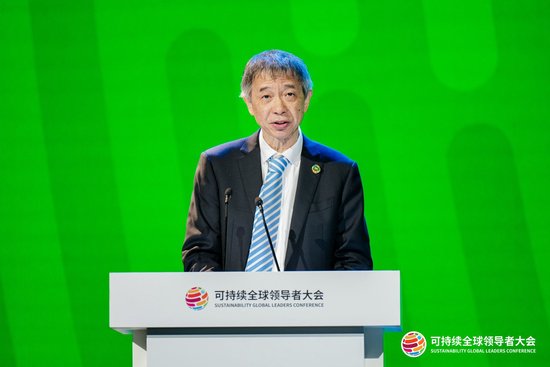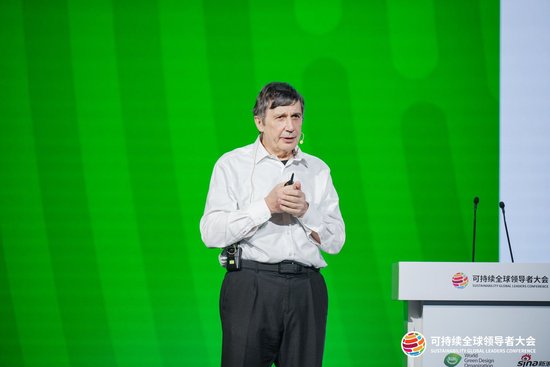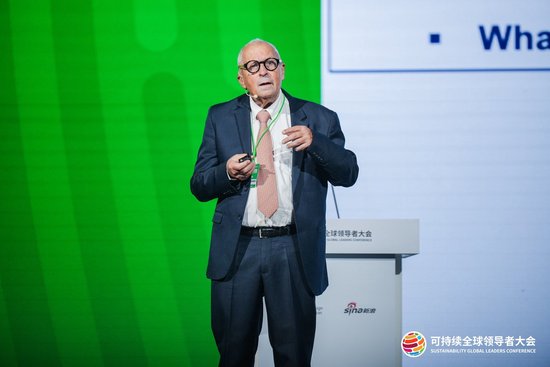
At the 2026 Sustainable Global Leaders Conference held in Shanghai from October 20 to 22, Turing Award laureate Joseph Sifakis addressed the risks associated with autonomous AI systems. He emphasized that current models lack a genuine understanding of the physical and social world, which prevents them from making safe, reliable decisions in real-world scenarios.
Sifakis highlighted the ethical limitations of large language models, noting that they operate differently from human cognition. While models like ChatGPT or DeepSeek can outperform humans in medical exams, they lack an understanding of social norms, value systems, and the consequences of their actions, such as professional reputation or legal accountability.
The expert warned that AI self-evolution could lead to uncontrollable risks or systems being manipulated for malicious purposes. He argued that the current priority should be the governance of existing technologies rather than focusing solely on future autonomous capabilities, as some corporations may exploit regulatory gaps for profit.
Sifakis called for the establishment of global standards and unified regulatory frameworks for artificial intelligence. He urged nations to collaborate to balance technological progress with safety, emphasizing that managing the risks and benefits of AI is a collective responsibility for humanity.