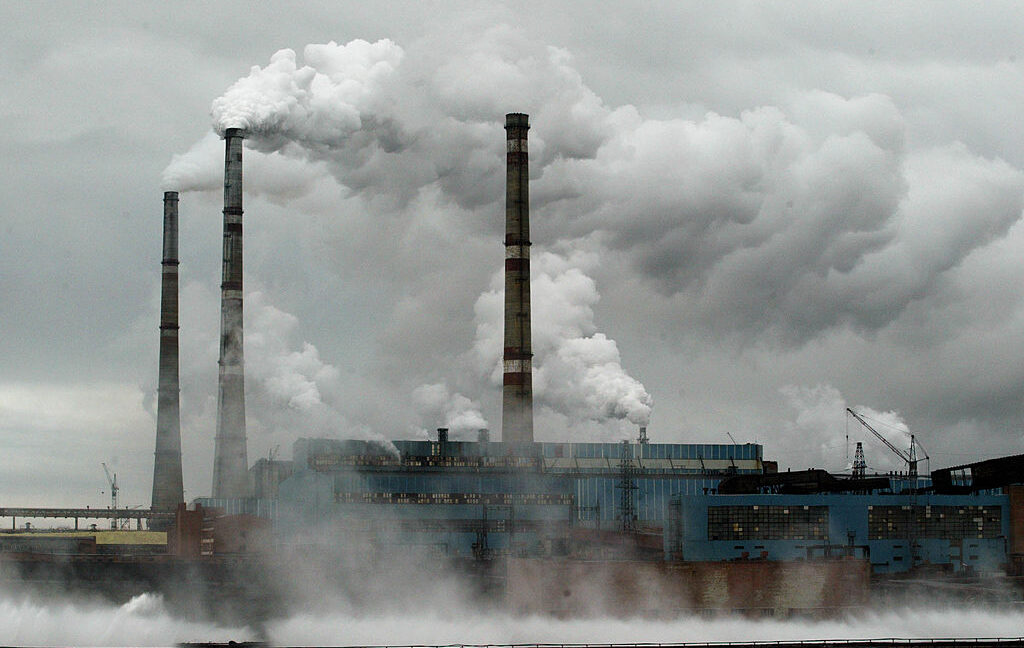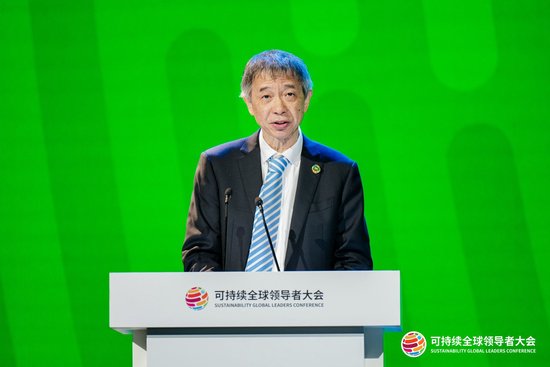
The 2026 Sustainable Global Leaders Conference took place in Shanghai from October 20 to 22. Wang Jian, an academician of the Chinese Academy of Engineering, stated that technological innovation since 1950 has significantly increased natural resource consumption and carbon emissions.
Wang Jian emphasized that future technological development must prioritize reducing resource consumption. He noted that achieving peak carbon emissions by 2030 remains a major challenge, as current technologies are insufficient to meet this goal without a fundamental shift in development logic.
The expert proposed a model where cities could operate using only 10% of their current water, electricity, and land resources. He cited a 2018 Irish study showing that 46% of water in natural pipe networks is lost, suggesting that cities currently lack efficient resource management.
Wang Jian suggested that reducing cement usage in construction by 60% is feasible while still meeting housing needs. He advocates for a transition from seeking additional resources to optimizing existing ones, a concept he defines as urban intelligence.
Artificial intelligence is expected to play a key role in implementing these changes, with data serving as a primary resource in the digital age. Wang Jian highlighted the Haina Town project in Putuo District, Shanghai, as a focus for developing urban intelligence.