The CharIN Testival 2026 highlighted that interoperability remains a primary challenge for the electric vehicle charging industry. During demonstrations, experts noted that even with advanced hardware, establishing reliable communication between vehicles and charging stations requires multiple attempts, underscoring the complexity of integrating diverse manufacturer systems.
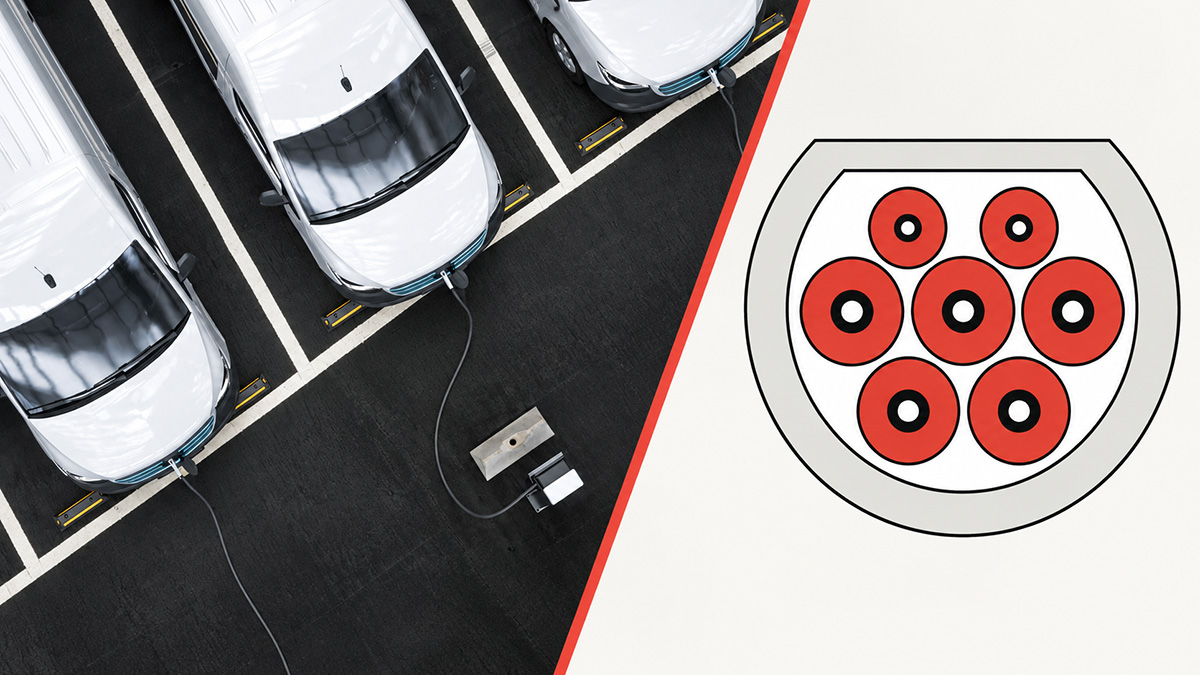
Phoenix Contact hosted the event, providing a CCS charging point with up to 720 kW for testing. CharIN CTO Michael Keller emphasized that 100% interoperability is essential for end-user reliability. The industry is increasingly focused on implementing the ISO 15118-20 standard, which facilitates complex functions like Plug and Charge, Smart Charging, and bidirectional energy flow.
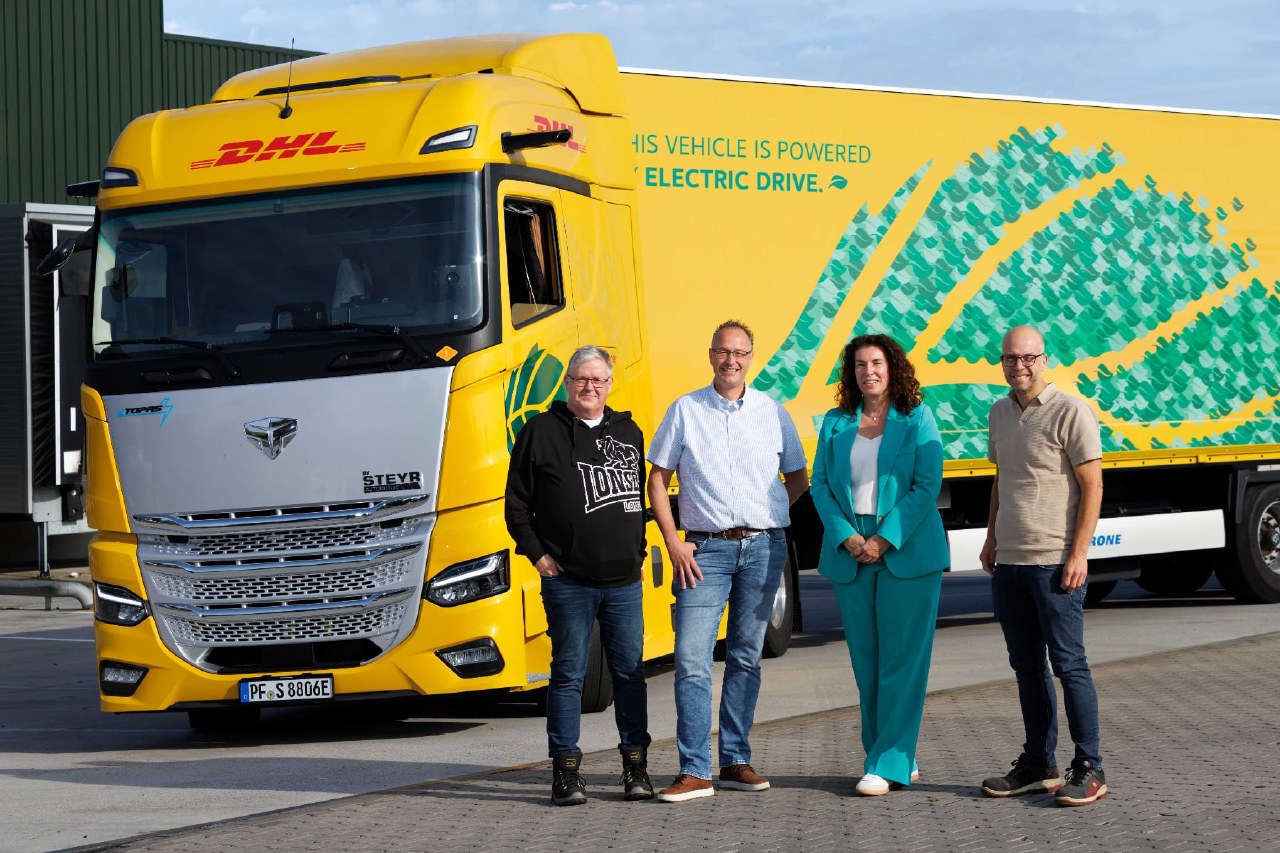
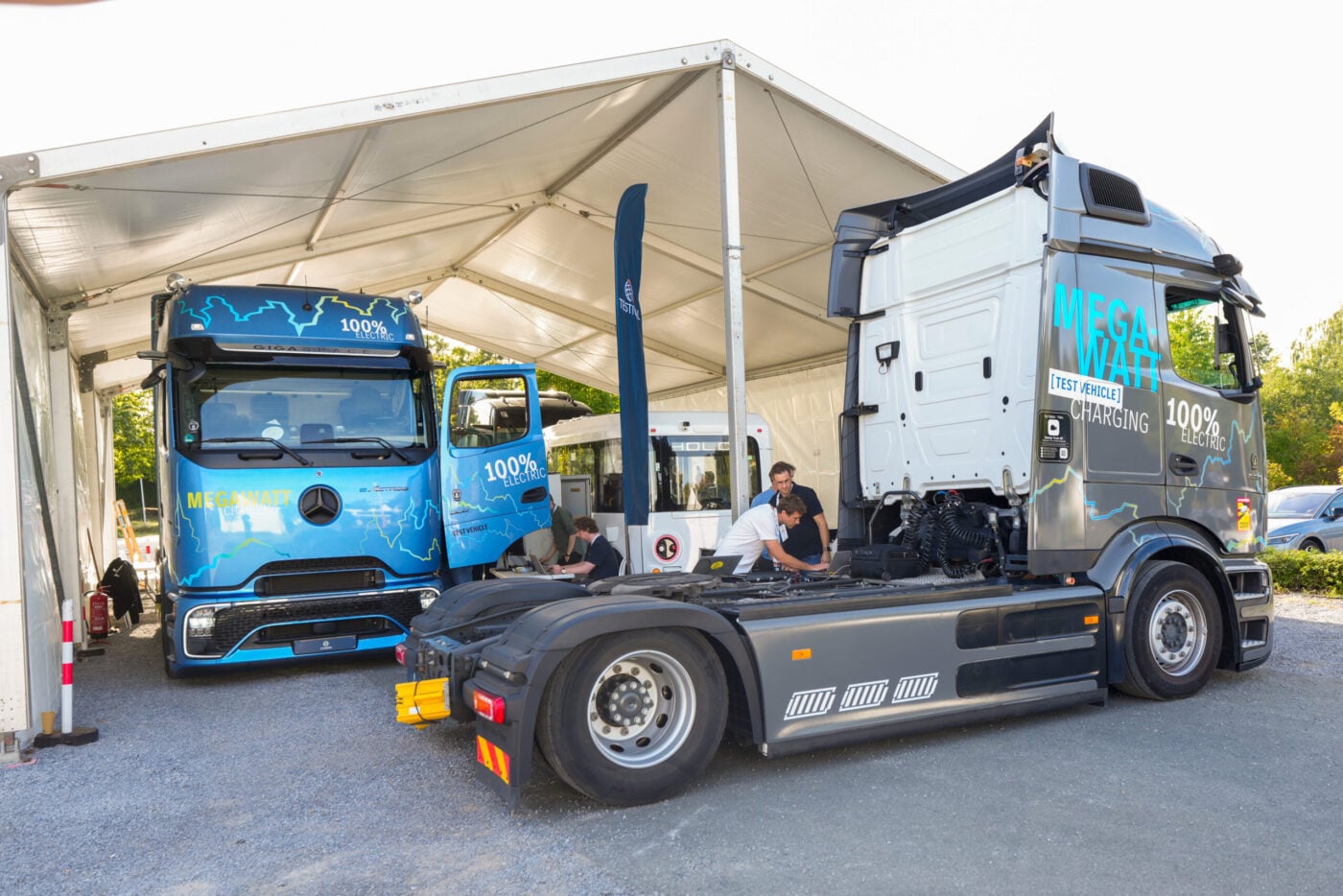
The Megawatt Charging System (MCS) is gaining traction, with specific power targets identified: 1,000 kW for the Mercedes-Benz eActros 600, 750 kW for the MAN eTGX, and 700 kW for the Volvo FH Aero Electric. While the technical foundations for MCS are largely established, the industry faces a challenge in scaling the volume of equipped trucks and infrastructure simultaneously.
Vehicle-to-Grid (V2G) integration adds further complexity, requiring coordination between vehicles, charging points, backends, and power grids. At the May event in Arnhem, 13 of 23 DC test systems supported bidirectional flow. CharIN notes that V2G compliance testing remains in an early stage, with cybersecurity becoming a critical focus as charging systems become more automated.
Beyond technical standards, local implementation faces hurdles related to grid capacity and regulatory requirements. Industry representatives from ZVEI and VDE highlighted that while technology exists, the speed of deployment is often limited by grid connection processes and political coordination. Standardized interfaces are viewed as the key to ensuring ecosystem-wide functionality.