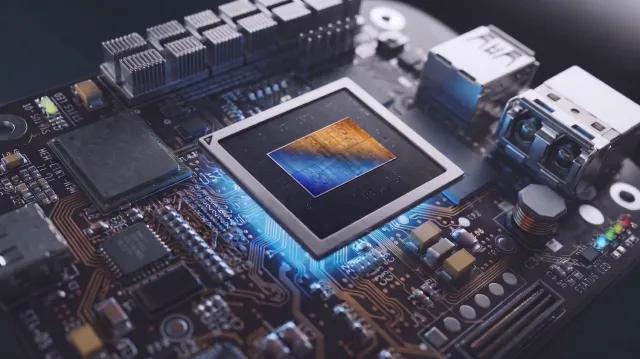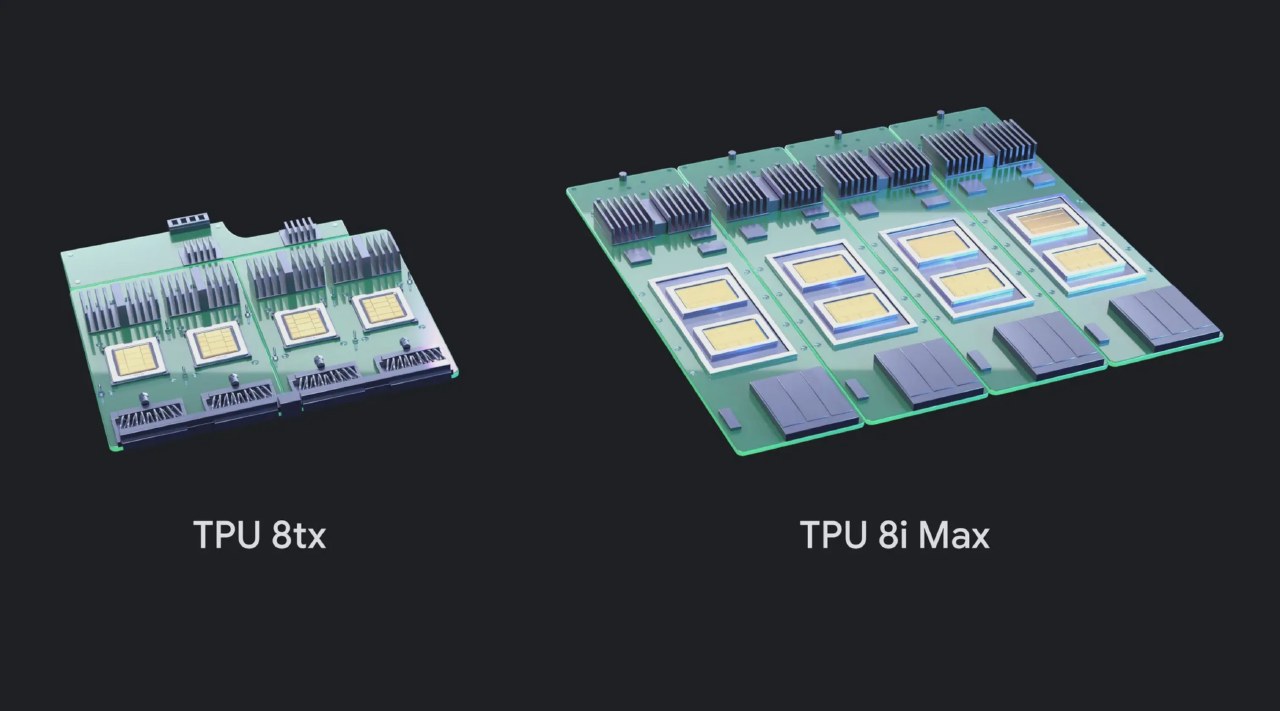
The Indian government plans to develop a domestic GPU within the next 24 months. Secretary S. Krishnan announced the initiative on November 4, noting that the project is part of a broader state program. Currently, no specific manufacturer, architecture developer, or technology partner has been named for the GPU project.
India is building a five-tier AI infrastructure, covering energy, computing accelerators, servers, AI models, and applications. Local firms like VVDN, Kaynes, and Avalon are already producing servers, while the C-DAC center has developed the Rudra line for AI workloads. The government is transferring these technologies to local manufacturers to scale production.
The country is also advancing its own CPU architectures, SHAKTI and VEGA, based on the RISC-V instruction set. These chips are already used in autonomous robots, digital telescopes, and forest monitoring systems. In 2024, the Aries 3.0 board was released, featuring the VEGA ET301 chip, a 32-bit processor with a frequency of up to 100 MHz and 26 KB of RAM.
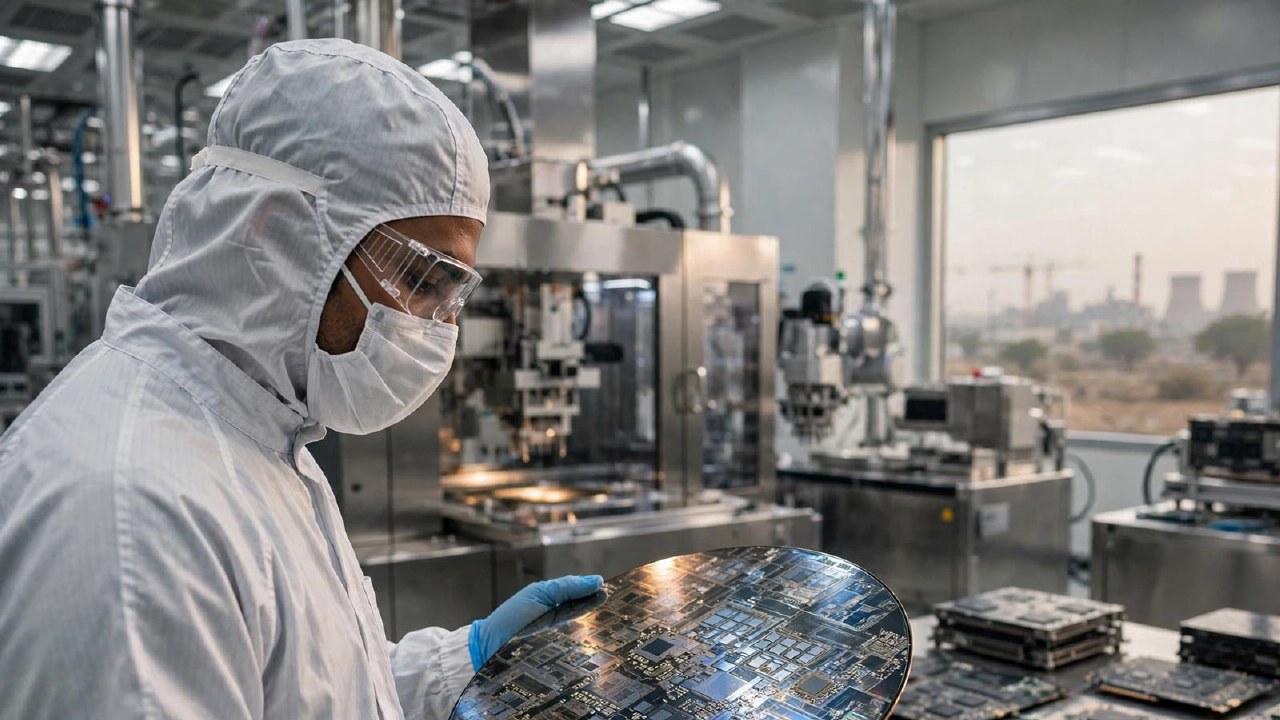
Industrial capacity is expanding through partnerships. Tata Electronics is building a semiconductor plant in Dholera, Gujarat, in collaboration with ASML, aiming for a capacity of 50 000 silicon wafers per month. Additionally, Intel has signed a strategic agreement with Tata Group regarding semiconductor manufacturing and packaging for the Indian market.
The Indian Electronics and Semiconductor Association (IESA) estimates the national semiconductor market at $50 billion, with projections reaching $100 billion by 2030. The Design-Linked Incentive program has already supported 24 companies, which have developed microcontrollers, drone controllers, and chips for smart meters and surveillance cameras.