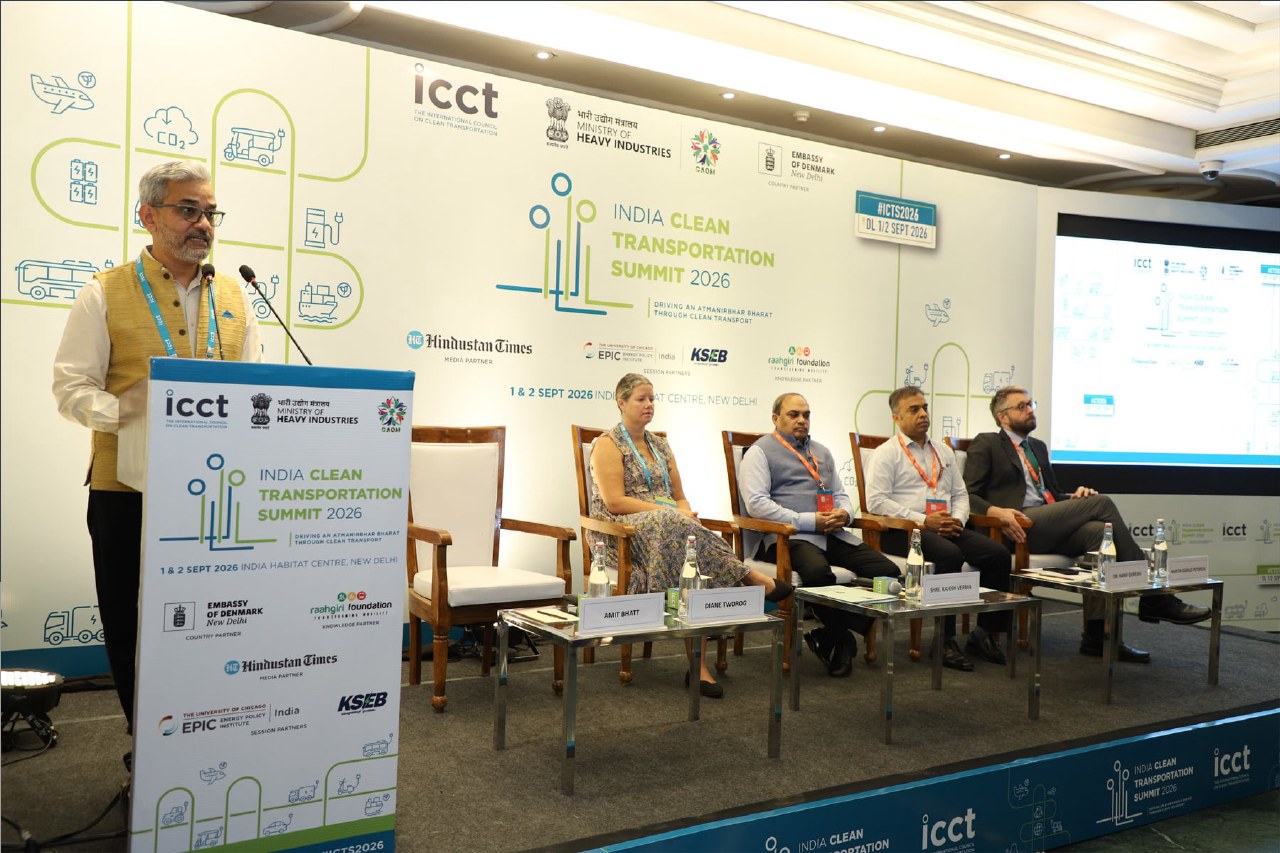
Amit Bhatt, Managing Director for India at the International Council on Clean Transportation (ICCT), notes that while India is making progress in EV adoption, it remains uneven across segments. Electric cars currently hold nearly 8% of the market, and electric two-wheelers are seeing high demand, with some models selling out in four days.
The Delhi EV Policy is cited as a key driver of change. It mandates the cessation of ICE vehicle registrations for three-wheelers starting January 2027 and for two-wheelers from April 2028. This regulation has forced OEMs to accelerate product development to maintain market share.
Regarding heavy transport, the Ministry of Heavy Industries is considering a new scheme for electric buses targeting private operators, who control approximately 92% of the bus market. School and staff transport are identified as high-potential segments due to their predictable routes.
Electric truck adoption faces a specific regulatory hurdle: the PM E-Drive scheme requires scrapping old trucks of equivalent or higher weight to receive subsidies. Since 55-tonne trucks only entered the market in 2018, there are few eligible vehicles for scrapping.
Bhatt argues that while subsidies drive initial adoption, long-term scale requires regulation and mandates. He emphasizes the need for finalized CAFE fuel-efficiency targets and a predictable regulatory framework to encourage local battery manufacturing through demand certainty.