Huawei is moving toward full technological independence following the US sanctions imposed in 2019. The company is currently developing its own processor architecture, known as LinxISA, to reduce reliance on foreign technologies.
The company holds a perpetual license for the Armv8 architecture, but geopolitical risks complicate the adoption of the newer Armv9 standard. Consequently, Huawei is shifting its focus away from both Arm and RISC-V architectures in favor of its proprietary solution.
LinxISA documentation is currently available in Chinese. The architecture is designed to execute instructions in blocks rather than individually, which aims to provide high data parallelism for modern computing tasks.
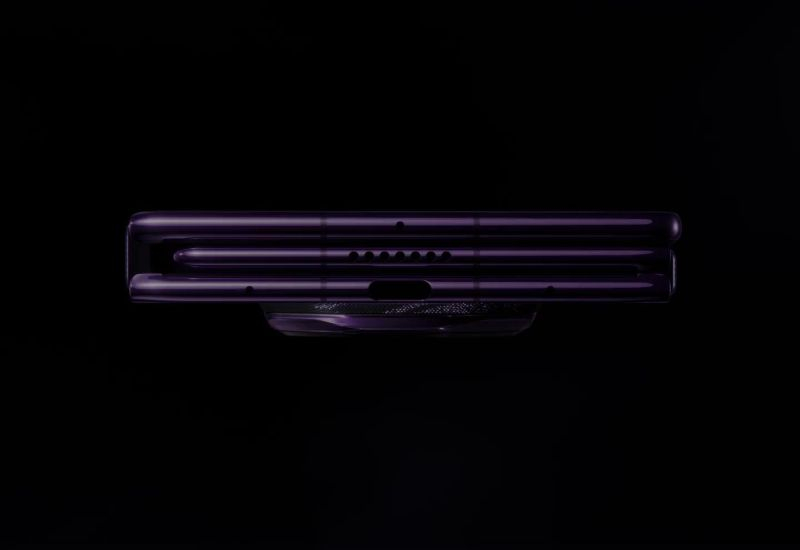
The recently released HiSilicon Kirin 9050 Pro processor, featured in the Huawei Mate XT 2 foldable smartphone, does not appear to utilize LinxISA. However, the company may integrate this architecture into future hardware components to complete its vertical integration strategy.