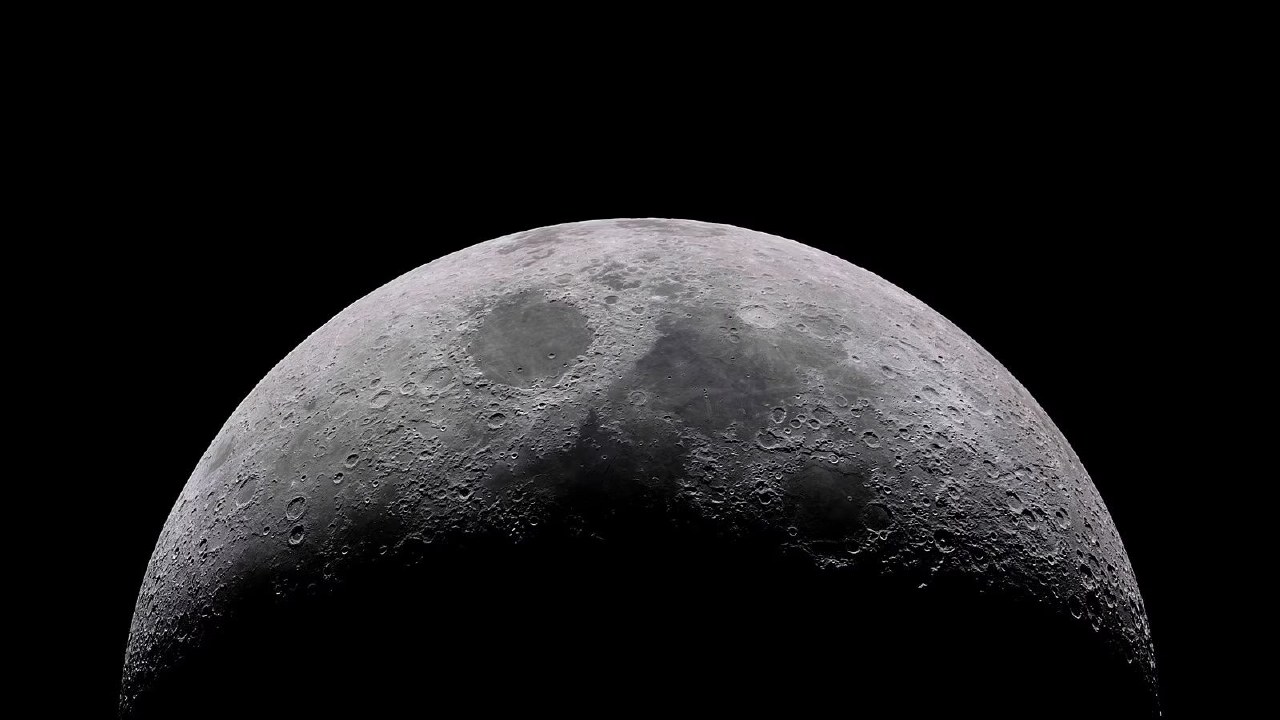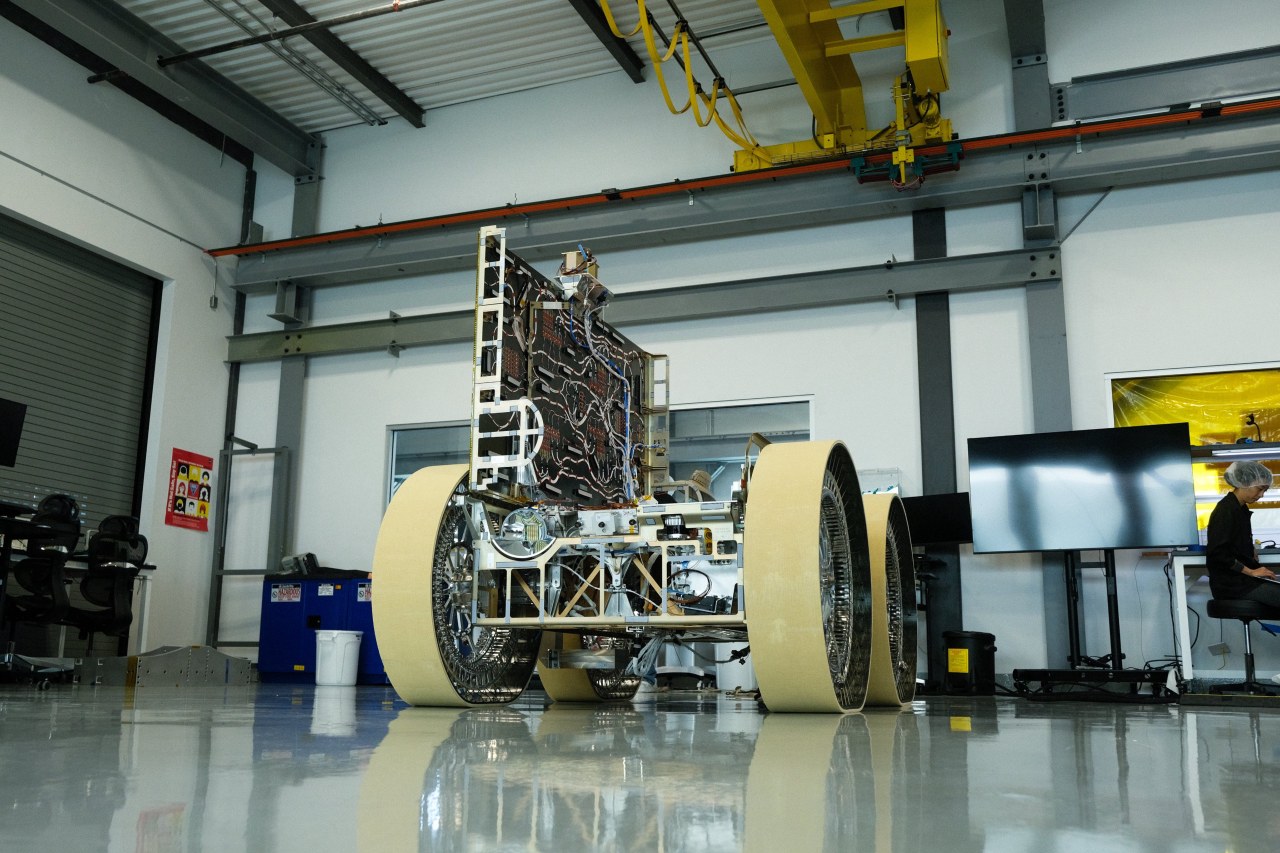
Hewlett Packard Enterprise is preparing to launch its Spaceborne Computer-4 module to the lunar surface. The hardware will be deployed on the Astrolab FLIP rover during a mission scheduled for this year.
The module is designed to test large language models, process visual and LiDAR data, and perform autonomous monitoring. NASA and Deloitte will also utilize the system to run AI workloads during the mission.
HPE will provide backend support by deploying software at Astrolab’s mission control. This aims to optimize data analysis and manage automated workloads directly from the lunar surface.
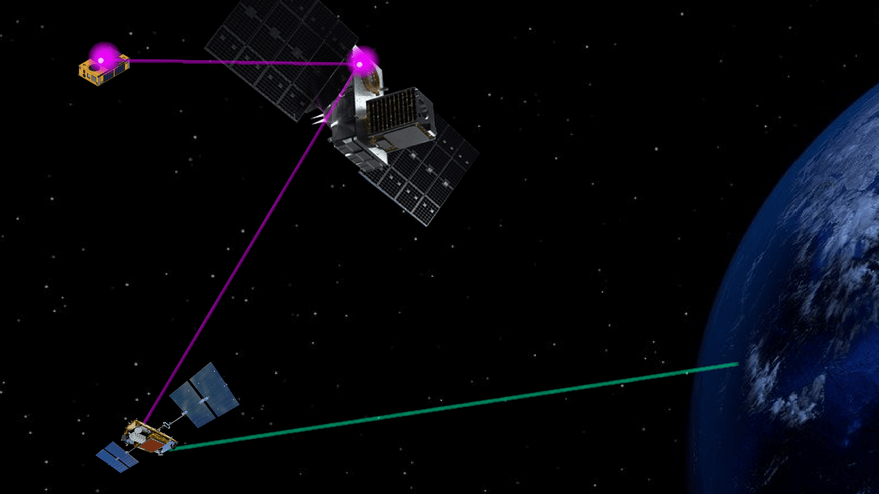
The project seeks to demonstrate the feasibility of edge computing for future lunar expeditions. The goal is to enable rovers to analyze collected data locally rather than transmitting all information to Earth.
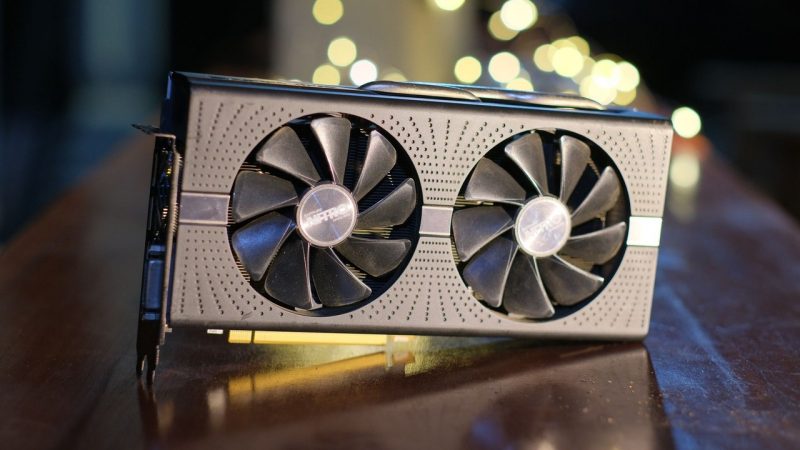
Spaceborne Computer-4 is the fourth iteration of HPE's space-based computing technology. Previous versions were sent to the International Space Station in 2017, 2021, and 2024 to test COTS components and AI capabilities.
This mission marks the first time an HPE Spaceborne Computer will operate in the vacuum of space. The initiative aims to establish a foundation for scalable AI applications in future lunar exploration.