

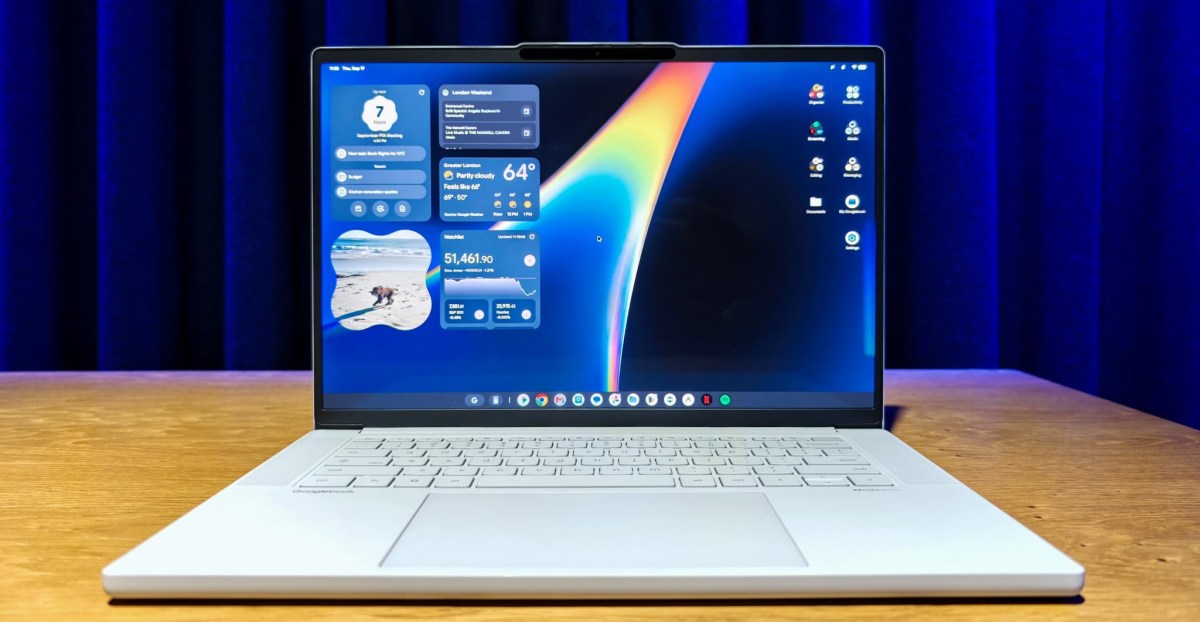
Google has introduced a new line of laptops called Googlebooks, developed in partnership with Lenovo, Dell, HP, Acer, and Asus. These devices run on an operating system built on the Android codebase, featuring a hybrid interface that blends elements of Android and ChromeOS, including the Material 3 Expressive design language.
The laptops are designed for deep integration with Android 17 smartphones. Key features include the ability to sync contacts, passwords, and payment details during setup, as well as shared notifications and file browsing. Users can access their phone's file system directly from the laptop, eliminating the need for cloud-based transfers.
The Continue On feature allows users to resume app sessions from their phone on the laptop, while a dedicated app drawer enables launching mobile applications directly. Apps run on the phone and are cast to the laptop in a floating window. Google promises 10 years of software support for these devices.
Googlebooks provide native access to the Play Store, allowing users to run mobile apps without emulation. While the store offers over 20,000 games, many are mobile-focused. Google is implementing new Play Store tags to help users identify apps optimized for desktop use versus those designed for mobile interfaces.
Pricing for Googlebooks starts at $899 for a limited time, with more advanced models beginning at $1,299. This positions the new hardware in direct competition with devices like the MacBook Air, though the platform currently lacks full desktop-class versions of professional software like Adobe Photoshop or Lightroom.


