

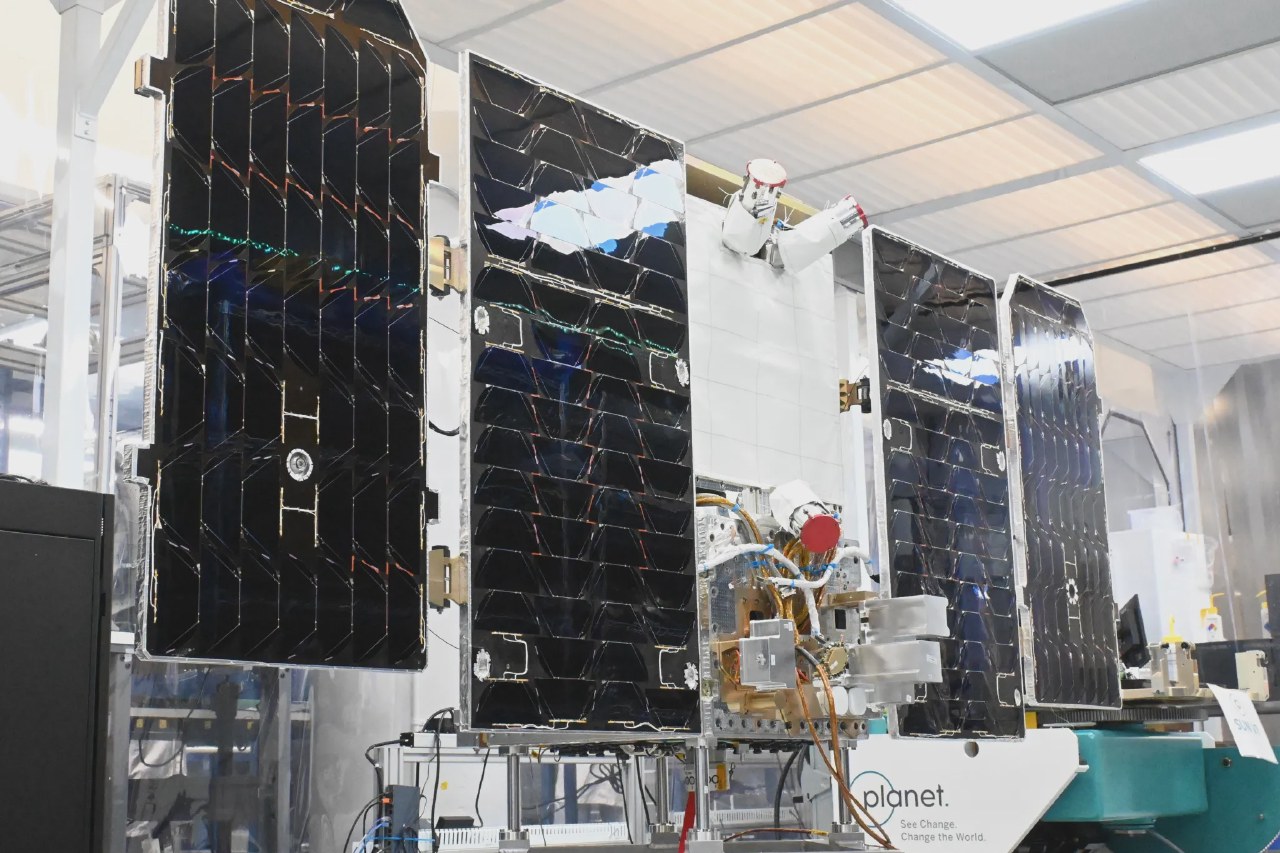
Google has launched an experimental satellite under its Suncatcher project to test the viability of space-based AI data centers. The satellite, built by Planet Labs, carries Google's proprietary Tensor Processing Units (TPUs) to evaluate their performance in orbit, focusing on power supply, thermal management, and radiation resistance.
The company's research indicates that achieving economic viability for orbital data centers requires reducing launch costs to approximately $200 per kilogram. According to Google's model, reaching this cost threshold and the necessary orbital mass would require roughly 1,800 launches of SpaceX's Starship rocket.
Google estimates that to maintain the required transport capacity, about 180 launches per year would be necessary. This projection is based on the assumption that Starship achieves full reusability and a payload capacity of 200 tons per flight. The company views 2035 as a potential timeframe for establishing the economic foundation for such infrastructure.
Beyond launch costs, the project faces significant engineering challenges, including the high cost of satellite manufacturing, heat dissipation in a vacuum, and the need for high-speed inter-satellite communication. Google is currently in the early stages of testing whether its AI chips can reliably function in the space environment.

