

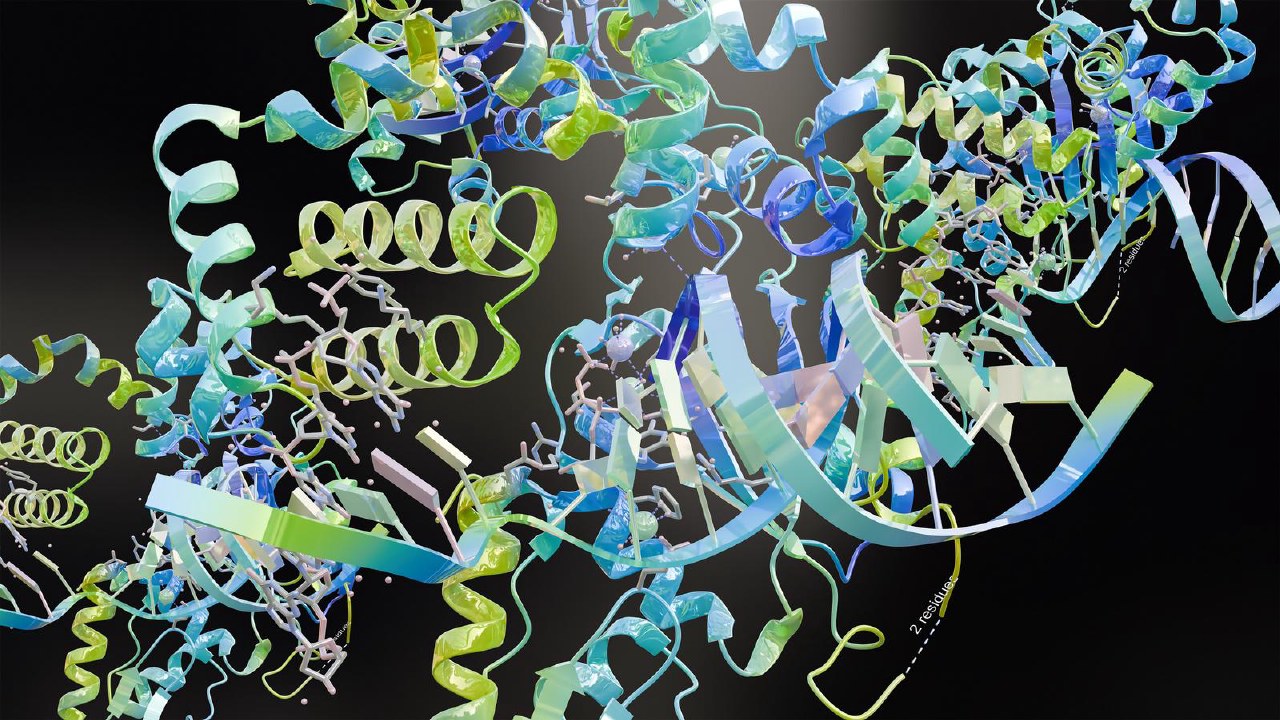
Google DeepMind has introduced SynthIDBio, a system for embedding digital watermarks directly into the amino acid sequences of proteins designed by artificial intelligence. The technology, detailed in the journal Nature, ensures that the added markers do not interfere with the biological function of the molecules.
The system is integrated into the ProteinMPNN software, which designs proteins by selecting amino acids along a molecular backbone. SynthIDBio suggests specific amino acids at each step based on a cryptographic key, allowing the system to identify proteins created by AI even if they have no natural counterparts.
Verification of the watermark relies on a statistical assessment rather than a simple binary check. Tests on proteins binding to natural targets confirmed that marked versions maintain the same performance as standard ones, though the method faces limitations with very short sequences or when combined with other proteins.
SynthIDBio aims to assist companies that synthesize DNA on demand by providing a tool to screen orders. Sequences matching trusted keys from universities or biotech firms can be cleared, while the absence of a mark on an AI-generated protein will trigger a more rigorous safety review.

