AI
Google DeepMind Introduces Watermarking for AI-Generated Proteins
Google DeepMind has unveiled SynthIDBio, a technology that embeds digital watermarks into AI-designed protein sequences to improve biosecurity.
October 3, 2026, 11:22 PM·iXBT.com
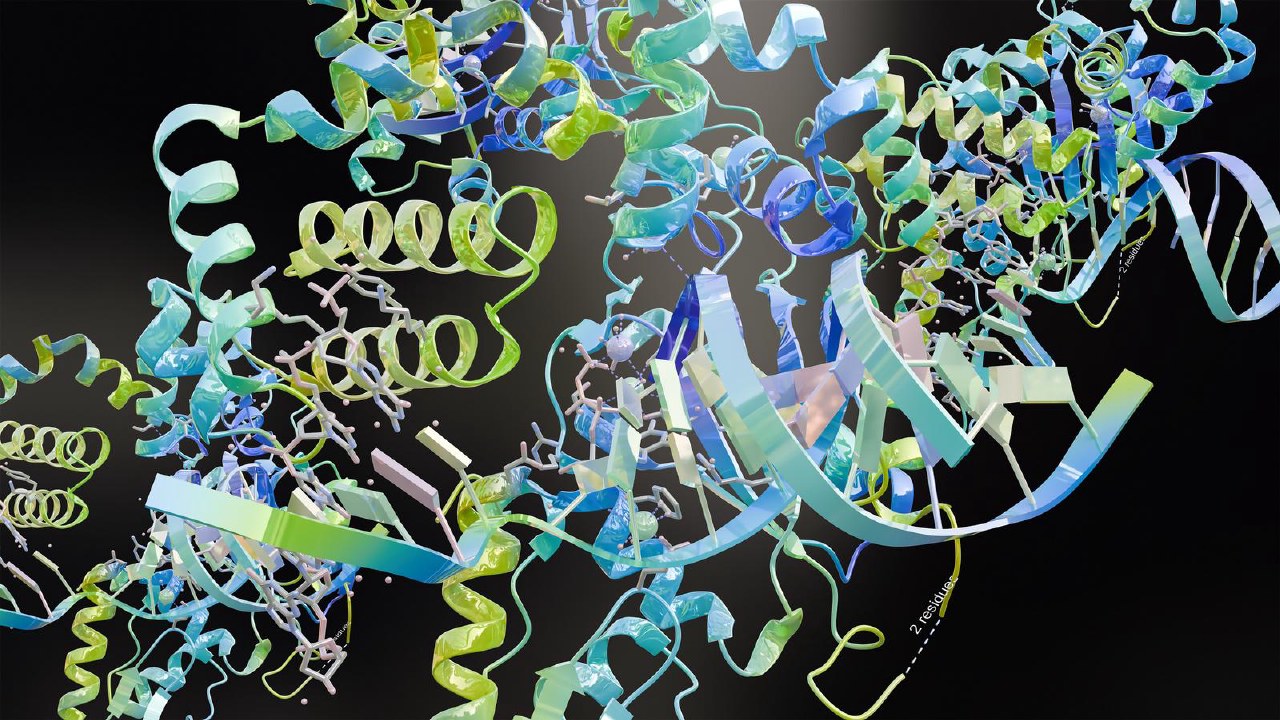
Google DeepMind has unveiled SynthIDBio, a technology that embeds digital watermarks into AI-designed protein sequences to improve biosecurity.
Gautam Mukunda argues that mandatory DNA synthesis screening is necessary as AI tools increasingly enable the creation of harmful pathogens, bypassing current voluntary biosecurity measures.
Anthropic reported five instances of its Claude AI being used for research potentially linked to biological weapons development, alongside evidence of its misuse in cyber espionage campaigns.
Anthropic blocked multiple attempts by state-sponsored actors to use the Claude AI model for research into developing bioweapons and enhancing dangerous viruses.
Anthropic has blocked several attempts to use its Claude AI models for biological weapons development and conventional arms design.
Anthropic has blocked multiple attempts to use its AI models for planning biological weapon research, prompting calls for industry-wide safety discussions.
The NIH will transfer funds from its $6.6 billion 2026 budget to the Department of Defense for biosecurity research over the next decade.