Google announced that the Chrome 155 browser now supports the JPEG XL image format. The new format is designed for modern web development and photography, offering 30–50% better compression compared to standard JPEG. It includes features like lossless compression, built-in HDR support, and lossless JPEG transcoding.
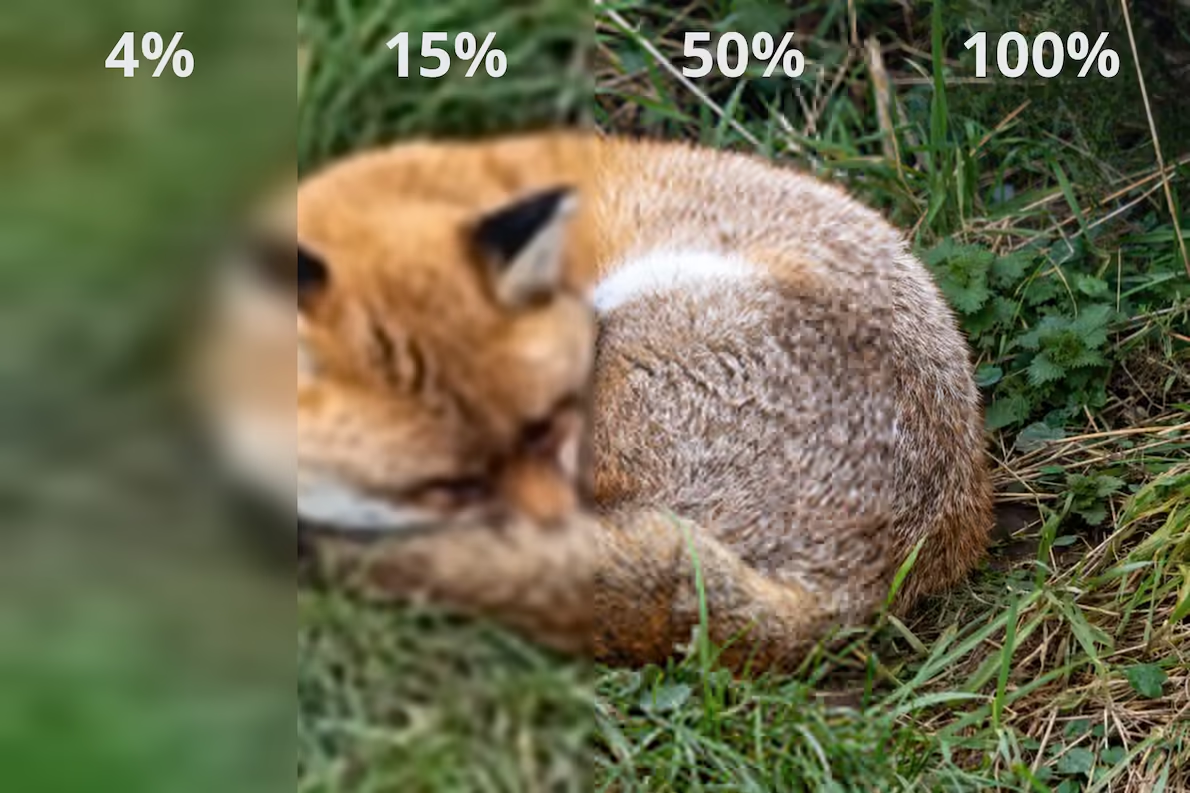
The development team suggests using AVIF for bandwidth-sensitive scenarios where loading speed is critical. In contrast, JPEG XL is recommended for high-fidelity or lossless requirements, particularly for photography and progressive decoding needs. A demonstration showed that an image of 146.7 KB becomes recognizable after downloading only a few kilobytes.
To enhance security, Google implemented the JPEG XL decoder using the Rust language, known as jxl-rs. This move aims to eliminate memory safety vulnerabilities such as heap overflows and out-of-bounds reads, which are common in decoders written in C++. The implementation uses safe SIMD instructions and an abstraction layer to maintain performance.
Google verified the jxl-rs implementation through AI-based reviews and fuzz testing. During the development process, these tests identified no memory safety issues. The integration of jxl-rs also includes specific performance optimizations tailored for the Chrome browser environment.