General Motors is integrating artificial intelligence into its design and manufacturing processes to reduce the vehicle development cycle from four or five years to approximately two years. The company utilizes a unified digital thread approach to streamline engineering and production workflows.
The automaker successfully applied AI to its lithium manganese rich (LMR) battery development, testing over 300,000 virtual designs in one month. These batteries, produced in Spring Hill, Tennessee, with LG Energy, aim to reduce costs for models like the Chevrolet Silverado EV by $6,000 while maintaining a 400-mile range.
A new OnStar AI Assistant will debut on the 2027 Cadillac Lyriq via an over-the-air update. The system provides conversational control over vehicle functions, including climate, lighting, and charging, and will replace individual brand apps with a unified mobile application.
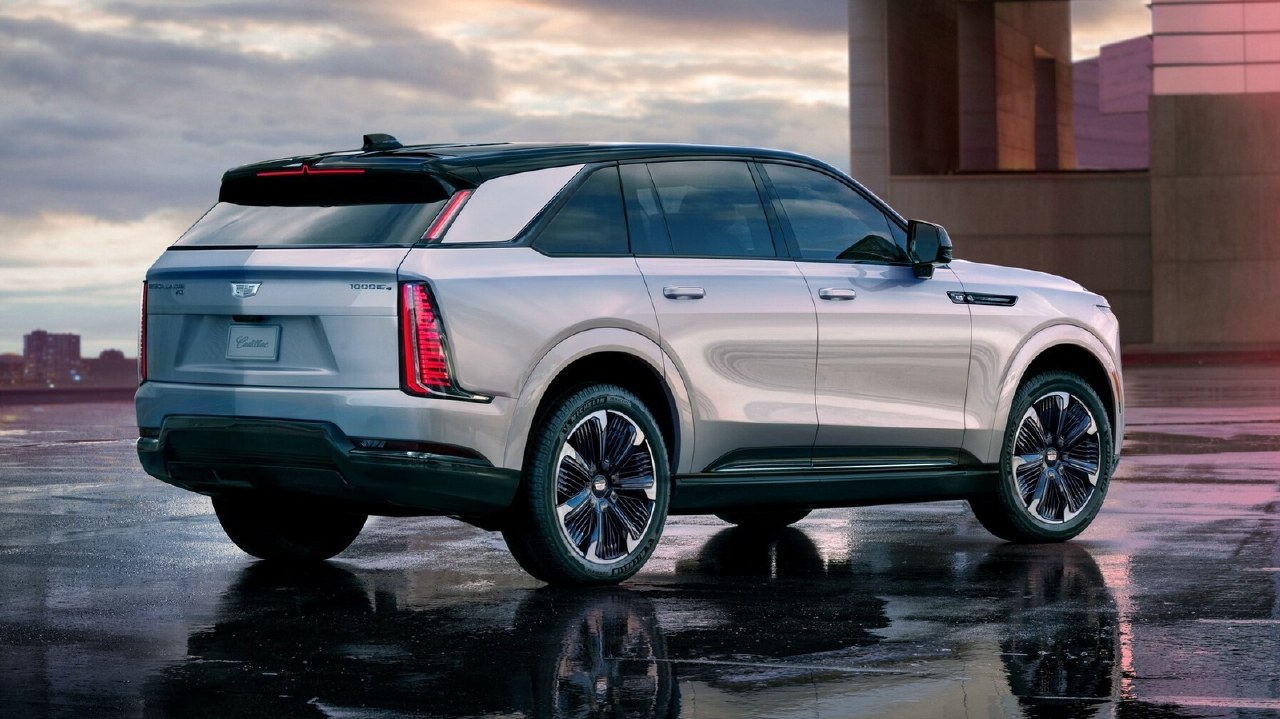
GM's Generation 4 vehicle platform features a new Central Compute Unit with 40 times more processing power and 30 percent less wiring than previous systems. The Cadillac Escalade IQ, launching in 2028, will be the first vehicle to utilize this architecture.
The company is advancing its autonomous driving capabilities by conducting 3 billion miles of daily virtual testing and over 1 million miles of real-world testing monthly. These advanced driver assistance systems will be available in both electric and gas-powered vehicles.