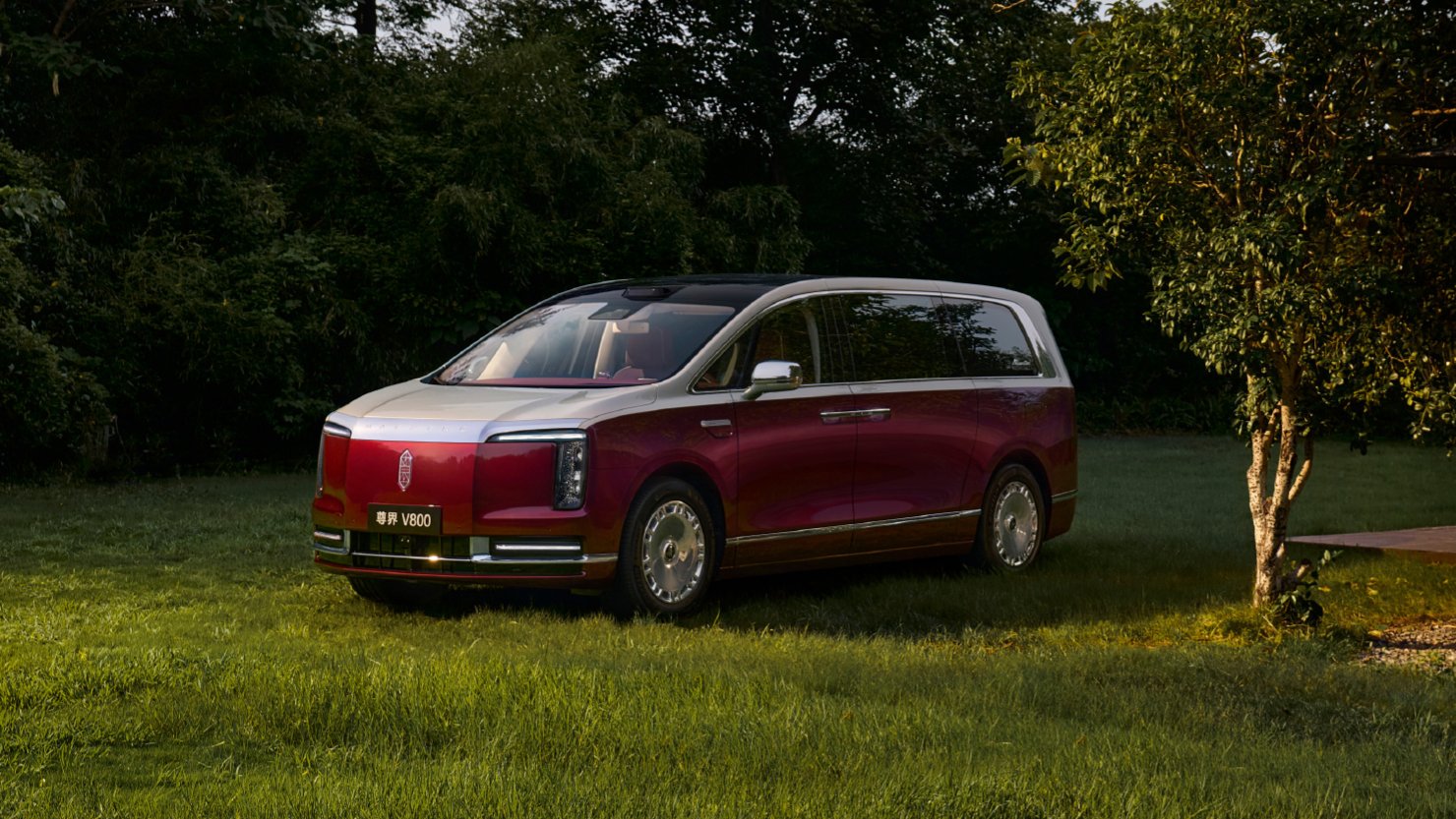
The German government, led by Chancellor Friedrich Merz, is developing a package of economic security measures to protect domestic industries from Chinese competition. The cabinet aims to approve these proposals by October 14, 2026. A central element of the plan involves introducing tariffs on hybrid electric vehicles, a segment currently largely unaffected by existing EU trade barriers.
Beyond automotive tariffs, the government is considering stricter investment screening, mandatory joint ventures for specific investments, and expanded export controls. These measures respond to concerns from German politicians and manufacturers, including Volkswagen, regarding state-subsidized Chinese firms. Critics claim these subsidies account for roughly 60% of the market share gains achieved by Chinese manufacturers.
Public and corporate sentiment reflects these tensions, with over 50% of German companies supporting stronger EU trade measures against China. Additionally, 83% of industrial firms identify competition from China as a significant concern. The EU previously implemented tariffs on battery electric vehicles in late 2024, and Berlin now seeks to build coalition support to extend these to hybrids.
Despite the shift in political rhetoric toward de-risking, financial data shows a different trend. In the first half of 2026, German firms increased their investments in China by approximately €5,6 billion compared to the previous year. During the same period, German capital flows into the United States experienced a sharp decline.