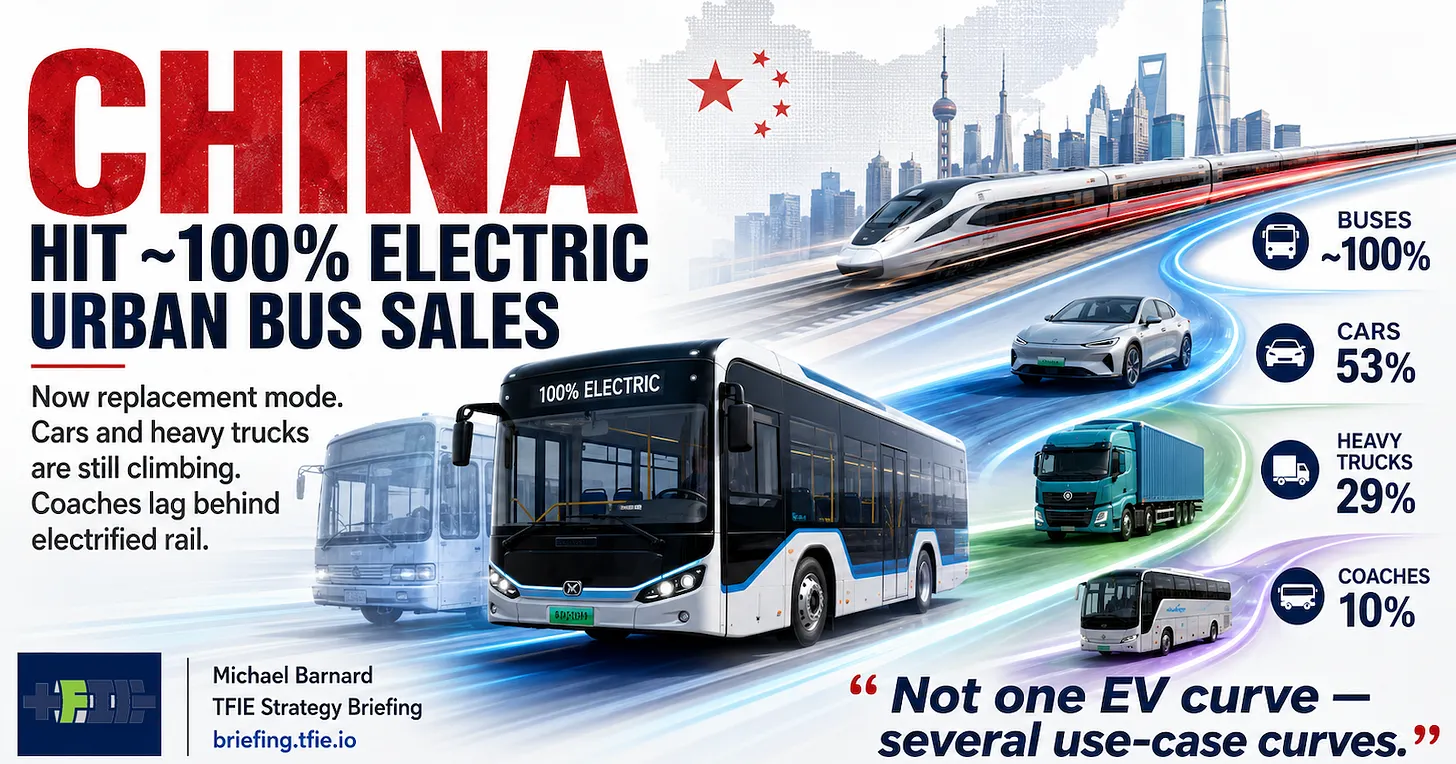
China's electric vehicle market is evolving through four distinct segments: urban buses, passenger cars, heavy trucks, and intercity coaches. Each category follows a unique adoption path based on its specific operational requirements and economic incentives.
Urban buses have reached a saturation point where the market is shifting from initial diesel-to-electric conversion to the routine replacement of aging electric fleets. According to the IEA, nearly 70% of the country's 680,000 electric buses were deployed before 2020.
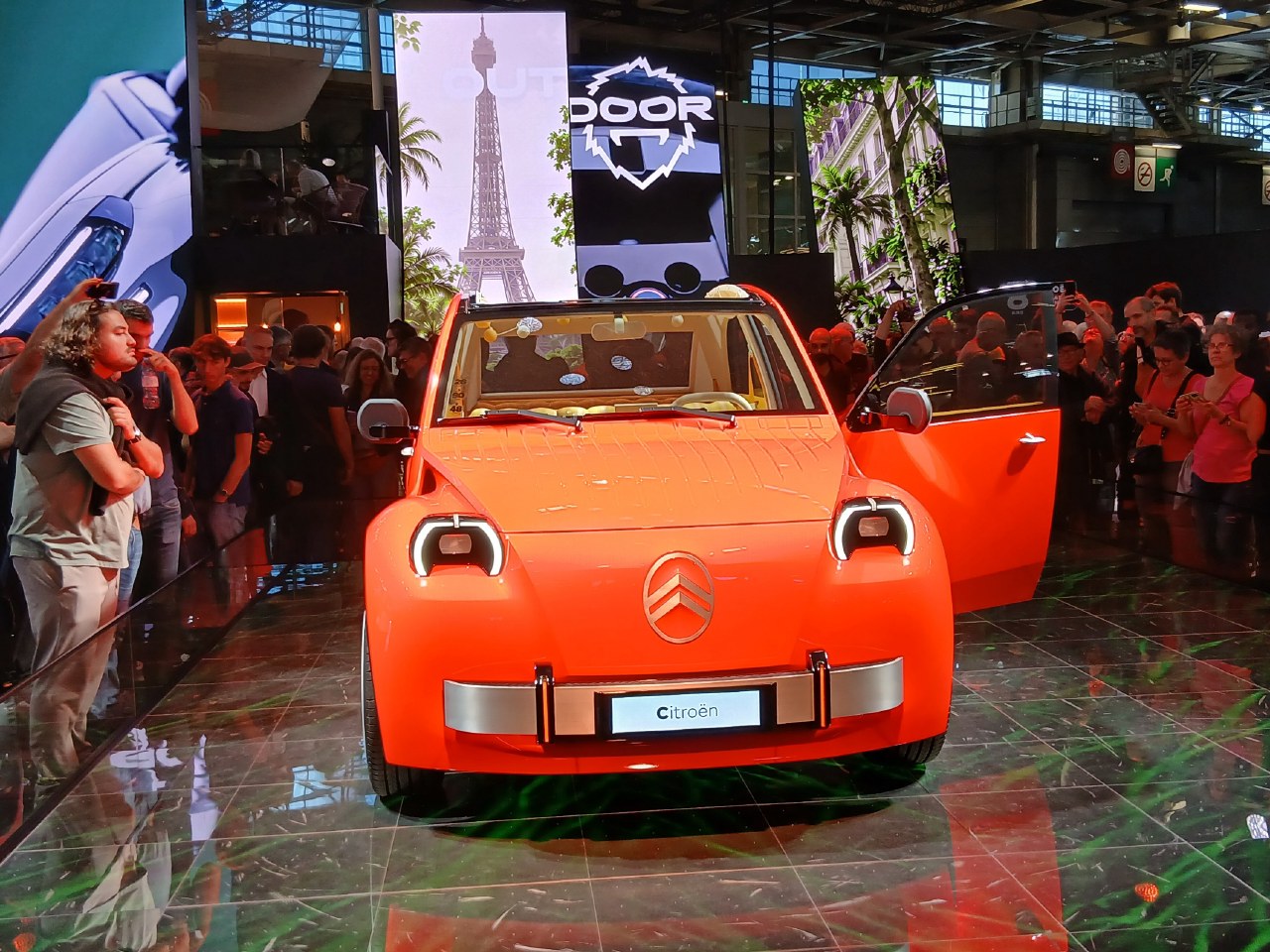
Passenger cars have become mainstream, with electric models accounting for over 50% of new sales in 2025. Buyers had access to nearly 700 electric models by the end of that year, with 70% of battery-electric cars priced lower than conventional alternatives.
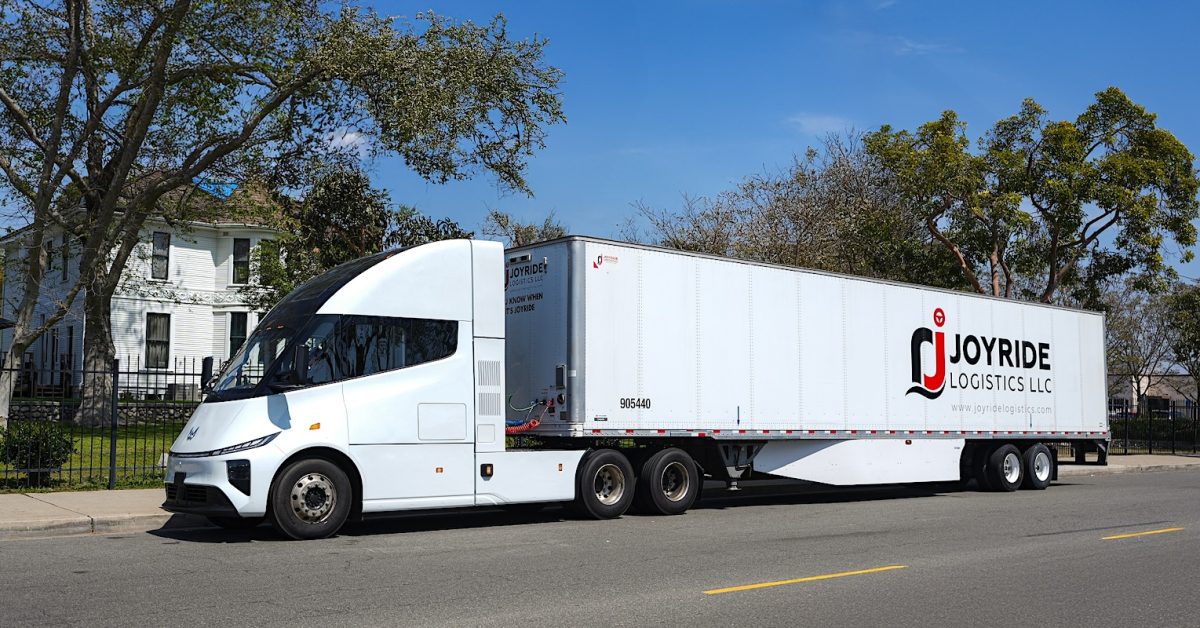
Heavy trucks are experiencing rapid growth, reaching a 29% market share in 2025, which is double the 2024 figure. Adoption is concentrated in sectors like mining and logistics, where high utilization and predictable routes make electric propulsion economically viable.
Intercity coaches remain at a 10% adoption rate, largely due to competition from China's extensive high-speed rail network. By the end of 2025, the rail system spanned over 50,000 kilometres and handled more than 4.5 billion passenger trips.