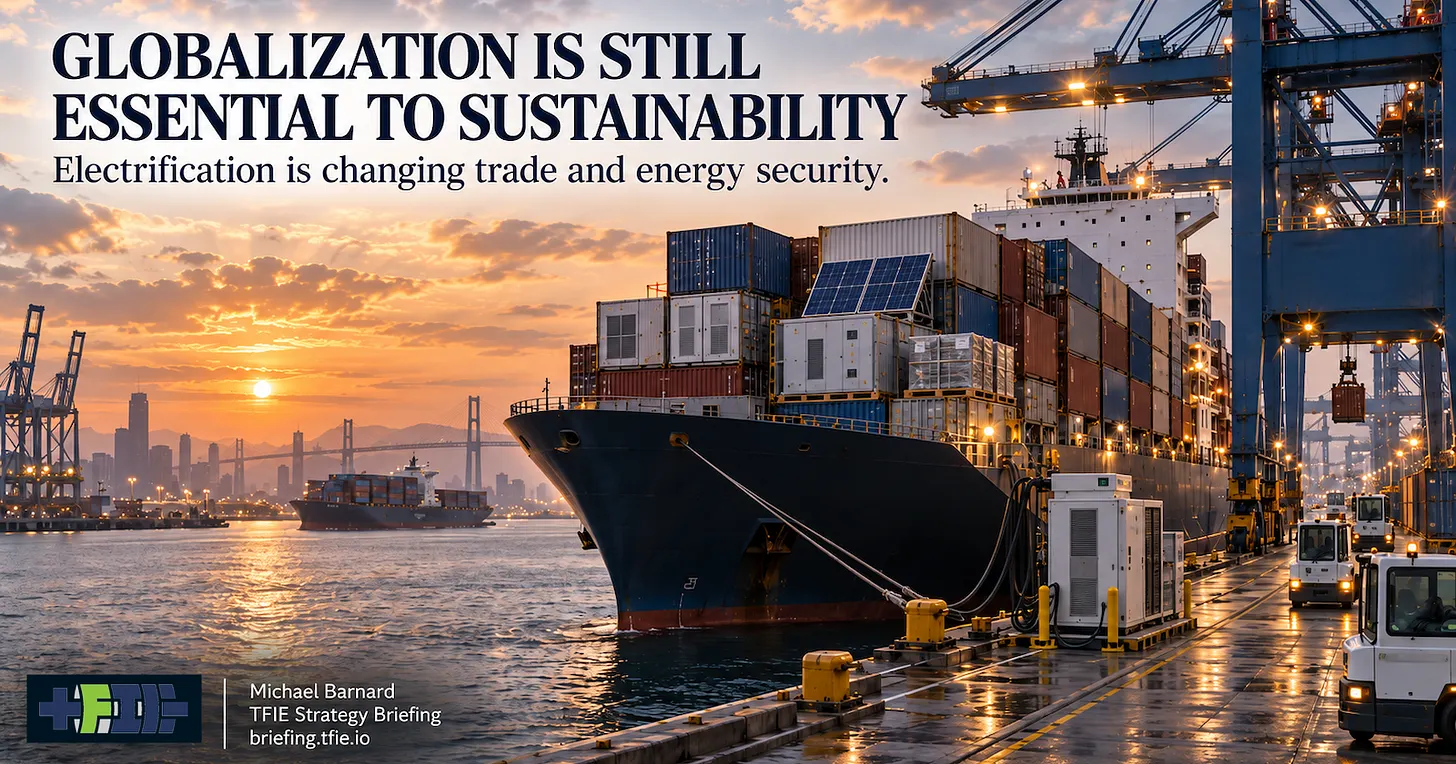
The shift toward electrification alters global energy security by moving from a model of constant fuel consumption to one based on durable productive assets. Countries now import technologies like solar panels, batteries, and electric vehicles, which generate energy from domestic sources rather than requiring recurring fuel shipments.
Data from the State Bank of Pakistan indicates that decentralized solar capacity reached approximately 50 GW by the end of 2025. This transition saved the country $7.1 billion in foreign exchange over six years, with projections suggesting a further reduction in the 2026 energy-import bill by $5.2 billion to $7.8 billion.
The International Energy Agency reports that the global electric vehicle fleet displaced about 1.7 million barrels of oil per day in 2025, with China contributing one million barrels to that total. This reduces the need for continuous petroleum imports for vehicle operation, even if the vehicles themselves are imported.
Between 2022 and 2024, African nations imported over $12 billion in solar modules, lithium-ion batteries, and electric vehicles. China provided more than 90% of the solar modules. These imports are fostering local industries, including installation, maintenance, and financing, which support broader economic development.
Strategic resilience in the electrified era relies on diversifying supply chains and infrastructure rather than pursuing total national self-sufficiency. Interconnected power grids, such as the synchronization of Ukraine and Moldova with the European system, demonstrate how shared resources improve stability during local infrastructure failures.