

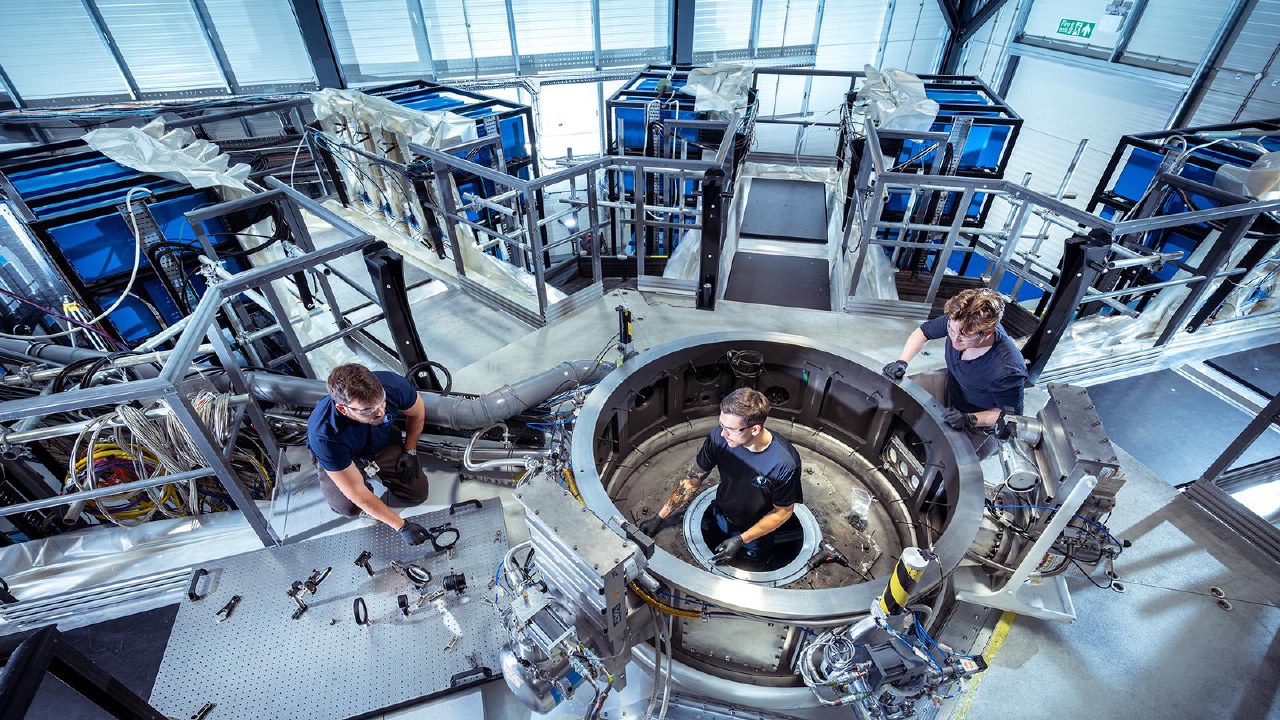
The British company First Light Fusion has successfully validated the core principle of its FLARE inertial fusion technology. During recent tests on the M3 facility, engineers demonstrated the controlled compression of material to high pressure, a critical first step in the company's two-stage fusion process.
The FLARE method relies on a specialized, multi-layered target design that converts electrical pulses into shock waves. By shifting the complexity of fuel compression from the external machinery into the target itself, the system aims to simplify the overall reactor architecture and reduce the need for expensive, high-precision equipment.
According to CEO Mark Thomas, the experiment confirmed that delegating compression functions to the target makes the system more reliable. The company estimates that this approach could potentially reduce the cost of inertial fusion reactors by a factor of ten compared to existing systems, as the simplified hardware faces less stress and requires less maintenance.
While the recent tests did not aim to achieve a fusion reaction or energy gain, they prove the viability of the compression stage. The next phase of development involves applying this technique to actual fusion fuel and integrating it with a high-power energy pulse to trigger the synthesis reaction.



