

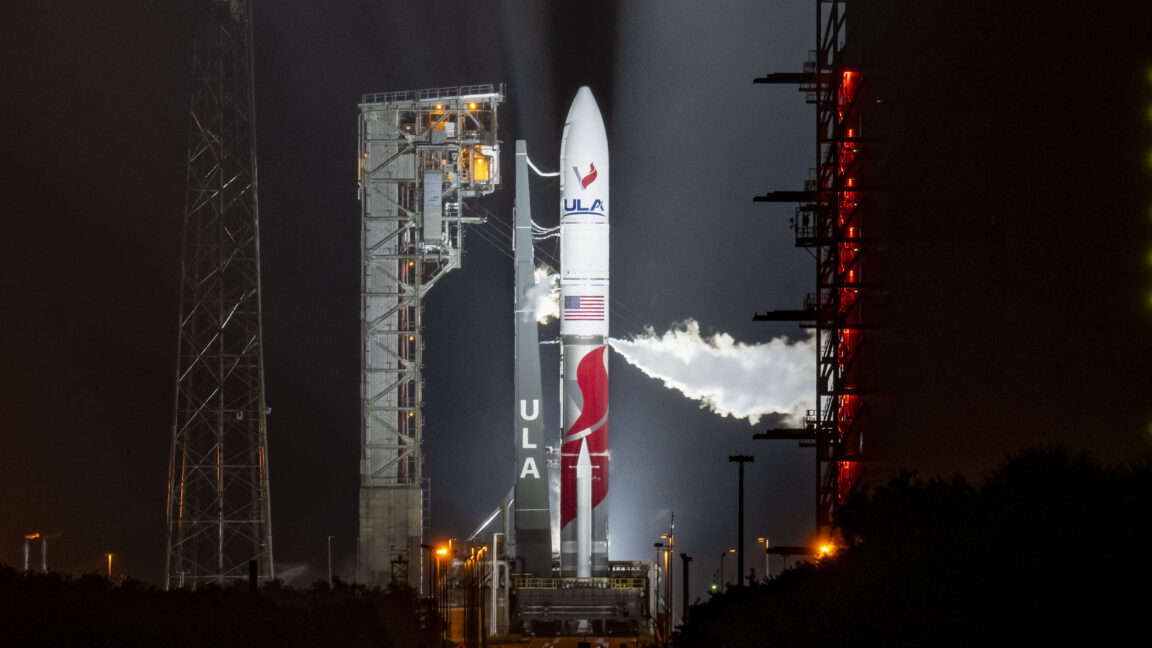
United Launch Alliance (ULA), a joint venture between Boeing and Lockheed Martin founded in 2006, faces significant financial instability. The company's reliance on expendable rockets has led to rising launch costs, which have increased from $112 million to over $200 million per mission. Meanwhile, ULA's net income has declined, with Lockheed Martin reporting that its share of earnings from the venture dropped to virtually nothing in 2025.
Development of the Vulcan rocket, intended to replace legacy Atlas V and Delta IV systems, suffered from years of delays and technical issues. The rocket has been grounded for over six months following a nozzle failure during a launch in February 2026. These setbacks have forced the US Space Force to reassign several military missions to SpaceX, further impacting ULA's revenue streams.
In May 2026, Boeing and Lockheed Martin guaranteed $500 million each in credit facilities to support ULA. Boeing noted that the suspension of Vulcan flights is negatively affecting the company's financial condition. Reports indicate that ULA is currently seeking to raise $1.5 billion in funding to maintain operations as the owners continue to explore potential sale options.
The owners previously sought a sale price of approximately $5 billion for ULA, though industry estimates suggest a more realistic valuation between $2 billion and $3 billion. Potential suitors have included Blue Origin, Amazon, Northrop Grumman, and L3Harris, though no deal has been finalized. Boeing and Lockheed Martin have declined to comment on ongoing market speculation regarding the company's future.


