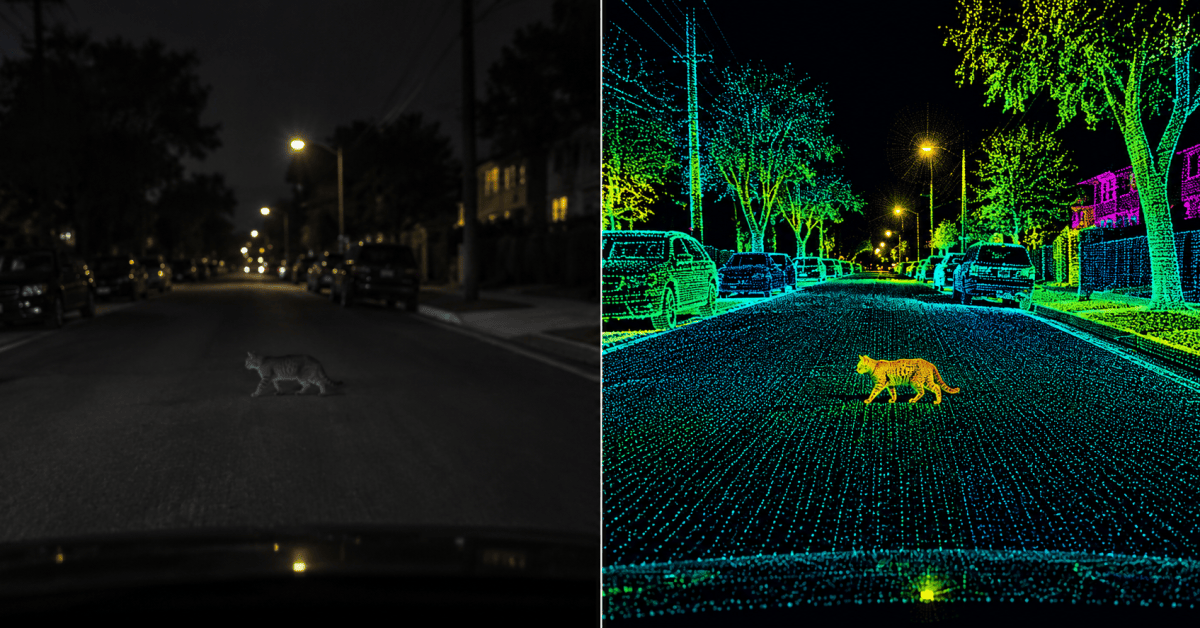
Sterling Anderson, Chief Product Officer at GM and former head of Tesla’s Autopilot program, has criticized Tesla’s decision to rely exclusively on cameras for self-driving systems. Anderson described the move as a religious stance that ignores physics, noting that cameras cannot measure instantaneous velocity or see through dense fog as effectively as radar.
Anderson, who led the Model X program and Autopilot during its early stages, currently oversees a different strategy at GM. The company plans to launch an eyes-off system in the 2028 Cadillac Escalade IQ, which will utilize a combination of lidar, radar, and cameras. He also expressed concern regarding the marketing of driver-assist systems, suggesting that terms like Full Self-Driving can lead to driver complacency.
Tesla began removing radar from its Model 3 and Model Y vehicles in May 2021, followed by the removal of ultrasonic sensors in 2022. This shift occurred despite internal opposition from engineers. Tesla CEO Elon Musk has previously stated that high-resolution radar would be superior to pure vision, but claimed that such technology did not exist at the time.
In March, the NHTSA upgraded its investigation into Tesla’s Full Self-Driving system to an Engineering Analysis covering 3,203,754 vehicles. The probe follows reports of nine crashes, including one fatal incident involving a pedestrian in November 2023. Regulators found that the system failed to detect conditions like sun glare and fog that impaired camera visibility.