

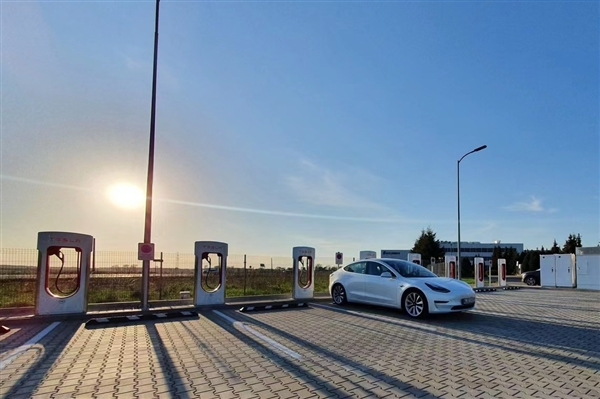
During the National Day holiday, electric vehicle owners reported that charging speeds at branded supercharging stations failed to meet advertised levels. Many users noted that the actual power output was significantly lower than expected, with performance heavily dependent on the current energy status of the station's storage units.
Company representatives explained that the slowdown occurs because peak demand rapidly depletes storage cabinets, preventing the grid from supporting simultaneous high-power charging for multiple vehicles. Achieving maximum advertised speeds requires an instantaneous output of 1,500 kilowatts per charging gun, a process currently managed by automated systems without manual priority overrides.
Li Auto clarified that charging speeds naturally decrease once a battery exceeds 80 percent capacity. To manage long queues during high-traffic periods like the National Day and Spring Festival holidays, the company dynamically adjusts charging limits to 80, 90, or 95 percent based on real-time station saturation.
Industry experts suggest these differential strategies prioritize the interests of specific brand owners. However, there are concerns that if every manufacturer imposes similar restrictions on third-party vehicles, it could lead to inefficient use of public infrastructure. Analysts recommend establishing unified operational standards for holiday charging.


