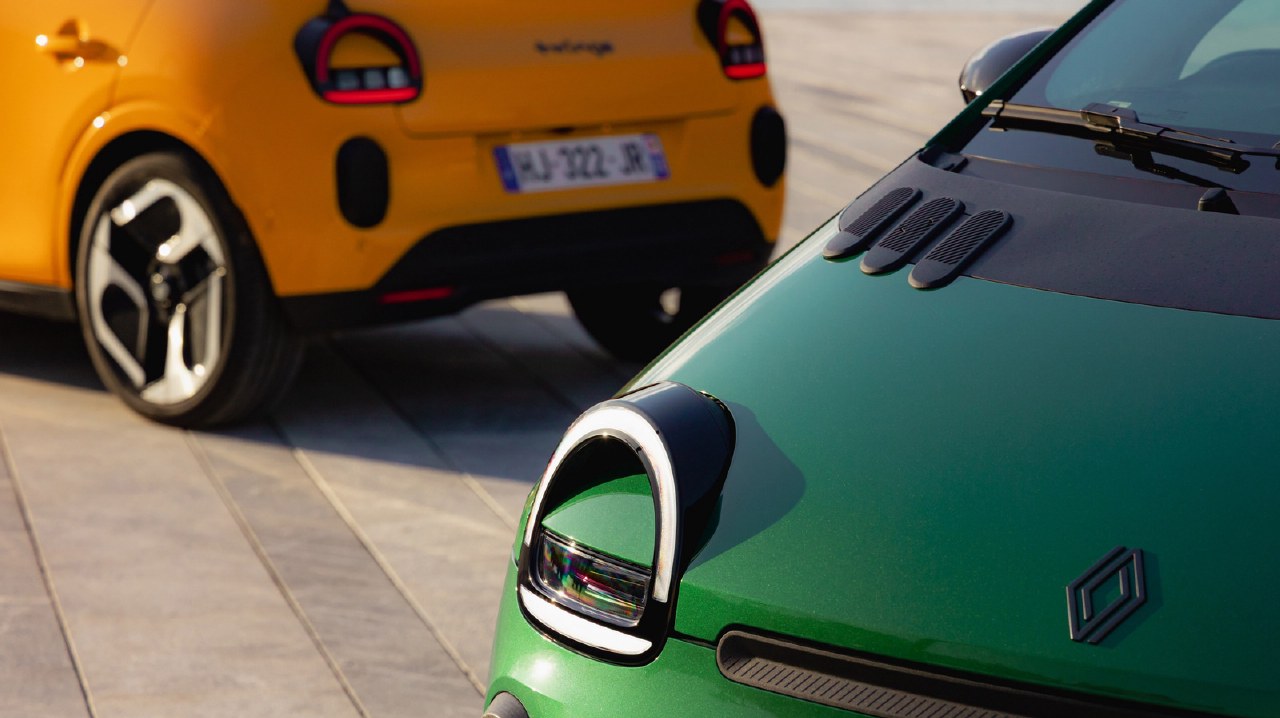
The Paris Motor Show highlights a resurgence of European automakers, who are countering the influence of Chinese brands with refreshed model lineups. Stellantis is focusing on heritage-inspired designs, including a concept revival of the Citroën 2CV, which is expected to launch in 2028 with a price tag of around €15 000 and a weight under one tonne.
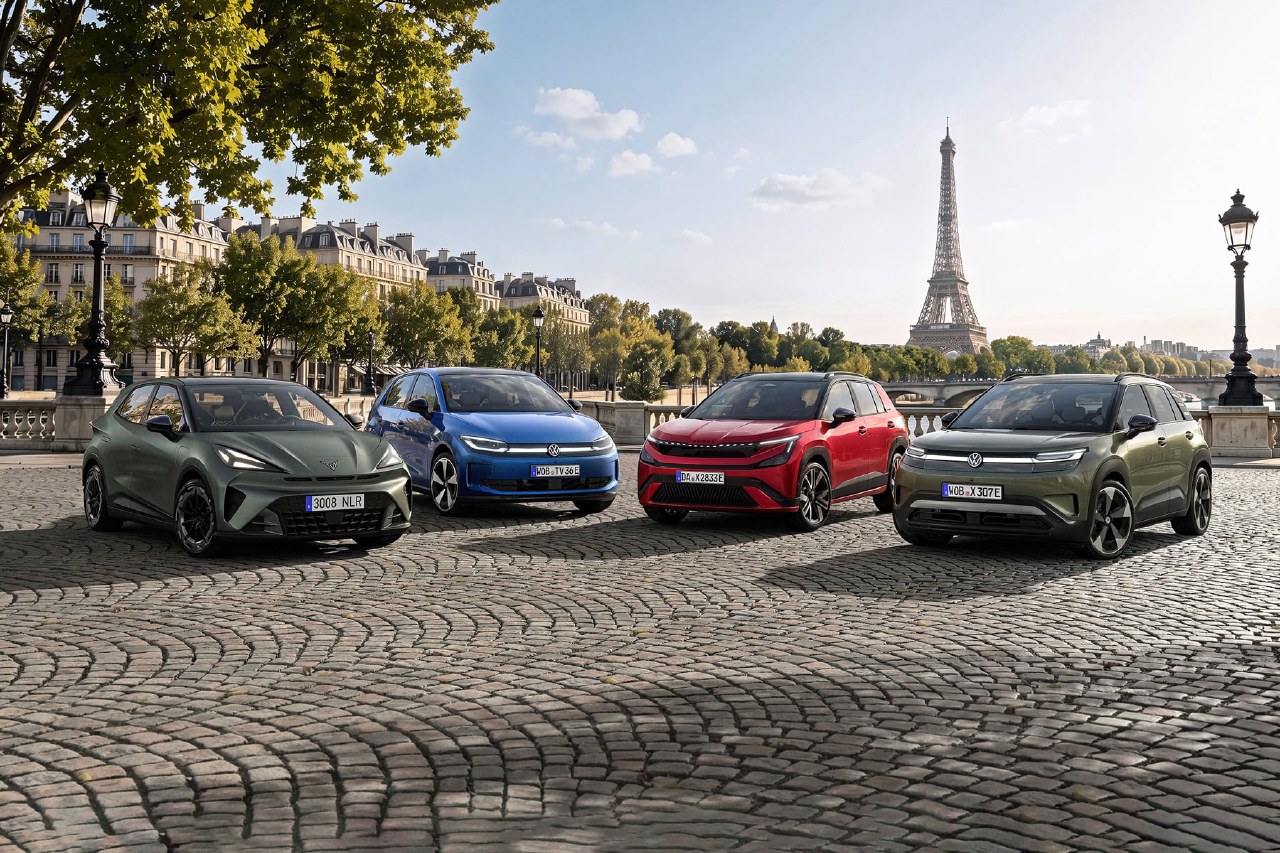
Stellantis continues to integrate technology through its partnership with Leapmotor, while also showcasing models like the Opel Corsa GSE. Meanwhile, the Volkswagen Group is emphasizing its 'Urban Electric Car Family,' featuring the Škoda Epiq, Cupra Raval, and the new Audi A2 e-tron, which utilizes the MEB platform.
Volkswagen is aligning the visual identity of its ID.Polo, ID.Cross, and ID.Tiguan models with their internal combustion counterparts. Mercedes-Benz is shifting its focus back to compact and mid-size vehicles, highlighting the electric C-Class with 800-volt architecture, while Hyundai and Kia are expanding their portfolios with the Ioniq 3 and EV2.
The event saw notable absences from major manufacturers, including Porsche, BMW, and several Japanese and Chinese brands like MG and GWM. Despite these gaps, the exhibition suggests that traditional motor shows remain a relevant platform for the automotive industry to present new developments.