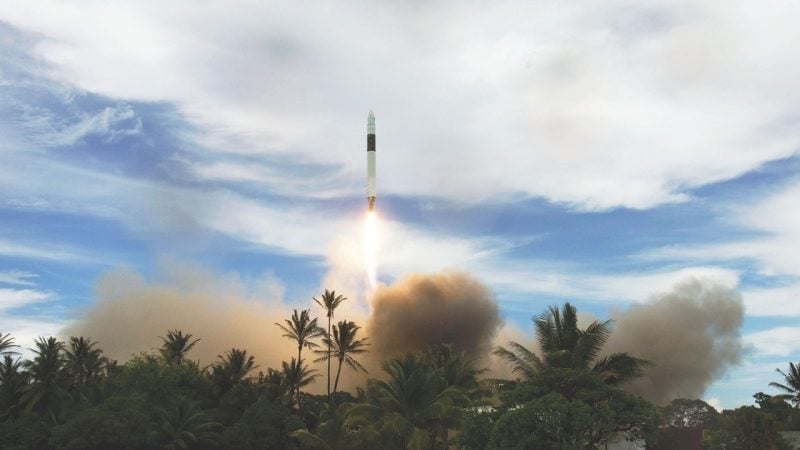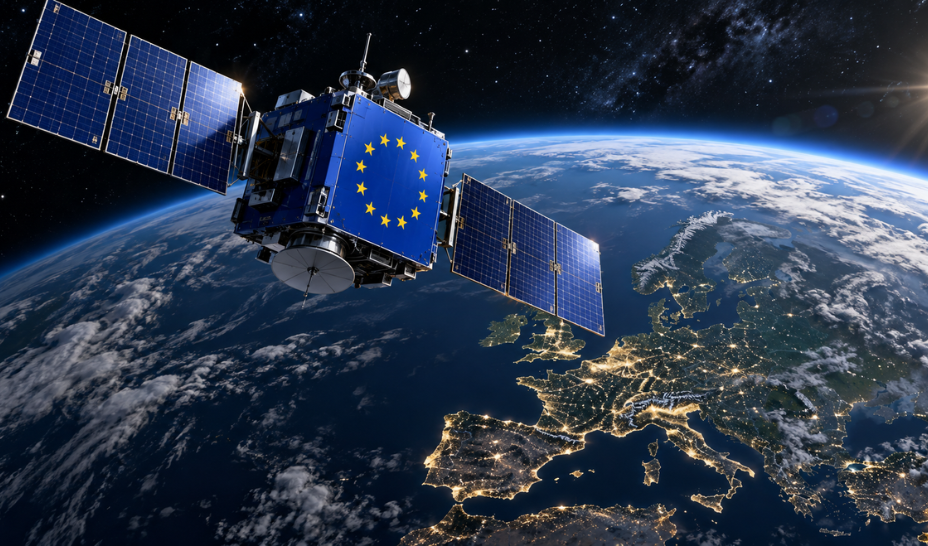
Executives from Airbus, Leonardo, and Thales advocate for consolidating European space companies to compete with global players like SpaceX. They argue that reaching critical mass is essential for Europe to establish itself as a worldwide leader in the industry.
The European Union is currently the second-largest contributor to the global Space Situational Awareness (SSA) market, holding a 27.7% share, while the United States leads with 42.4%.
Poland has committed to investing approximately €640 million in the development of the IRIS2 satellite constellation. Meanwhile, Germany has proposed a separate national military satellite constellation in low-Earth orbit.
Experts emphasize that achieving strategic autonomy requires more than just large-scale mergers. It depends on Europe's ability to independently monitor and protect its space assets through advanced ground sensors, data fusion, and optical payloads.
The industry needs to move beyond its reliance on a few large prime contractors. Fostering a collaborative environment that includes smaller, specialized companies is necessary to develop the technologies required for orbital surveillance and defense.