The Right to Repair Europe organization analyzed 2,334 smartphone models released over the past year. The study found that 82% of these devices failed to meet information disclosure requirements regarding repairability.
Only about 18% of the analyzed models provided direct links to spare parts prices or repair instructions. Nearly half of the records in the EU database lacked a website URL entirely, while 19% of the links led to general support pages without specific repair data.
The report highlighted specific failures: 8% of products lacked actual repair documentation, offering only vague prompts like 'refer to the manual.' Additionally, 5% of manufacturers linked to third-party marketplaces like Temu or AliExpress instead of their own official repair pages.
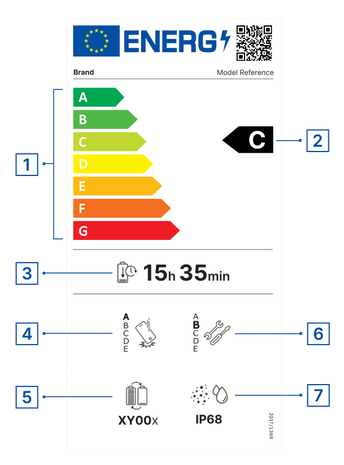
The EU requires smartphones sold locally to display energy labels with QR codes. These codes should lead consumers to an EU database containing detailed device data and manufacturer-provided repair support pages.
As a specific example, the organization cited the Oukitel WP35 Pro. Despite being rated 'A' for repair ease in the EU database, the product's information page contained three empty URL fields, making repair documentation inaccessible to users.