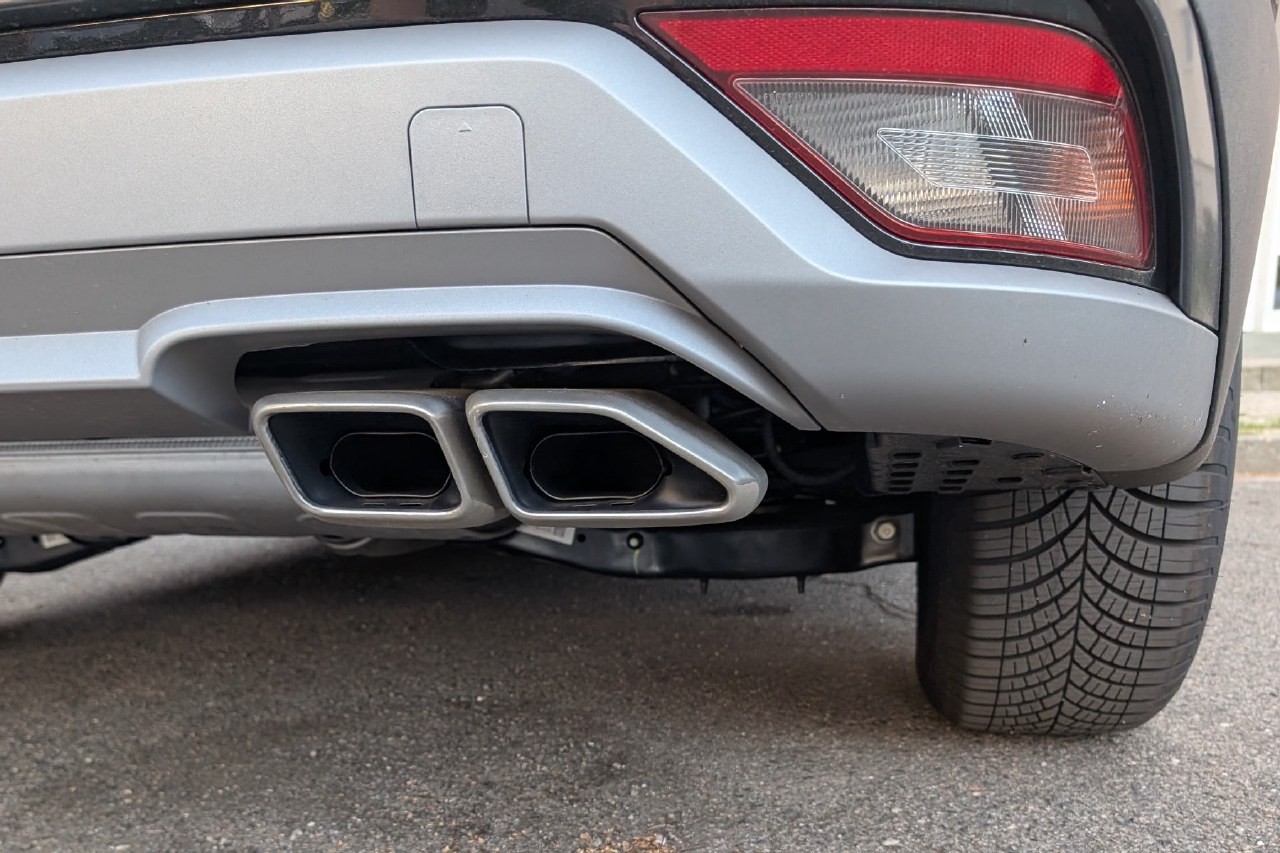
The European Parliament is considering a compromise on the Auto Package that would relax the de facto ban on new combustion engine vehicles scheduled for 2035. Three major political groups—the EPP, S&D, and Renew Europe—have reached an agreement to set a target of an 87.5 per cent reduction in CO₂ emissions for new cars by 2035 compared to 2021 levels.
This proposal would allow for the continued registration of internal combustion and hybrid vehicles. The agreement includes provisions for using climate-friendly steel in manufacturing. The European Parliament’s Transport and Industry Committees are set to vote on the reform this Thursday, with the Environment Committee expected to follow in early November.
The European Commission’s original Auto Package, introduced in late 2025, proposed a 90 per cent CO₂ reduction target. That draft included a credit system for manufacturers to offset remaining emissions using green steel and climate-neutral fuels. The Commission also proposed 'Super Credits' to incentivize the production of small electric vehicles under 4.20 metres.
The Commission plans to allocate €1.5 billion for a 'Battery Booster' program to support the EU battery value chain, including interest-free loans for cell manufacturers. Additionally, the proposal aims to reduce the administrative burden on automotive companies, with estimated annual savings of €706 million.
The regulatory changes also introduce flexibility for interim 2030 targets, allowing manufacturers to meet goals over the 2030–2032 period rather than annually. For the transporter segment, the 2030 CO₂ reduction target is proposed to be lowered from 50 per cent to 40 per cent to account for structural challenges in electric vehicle adoption.