

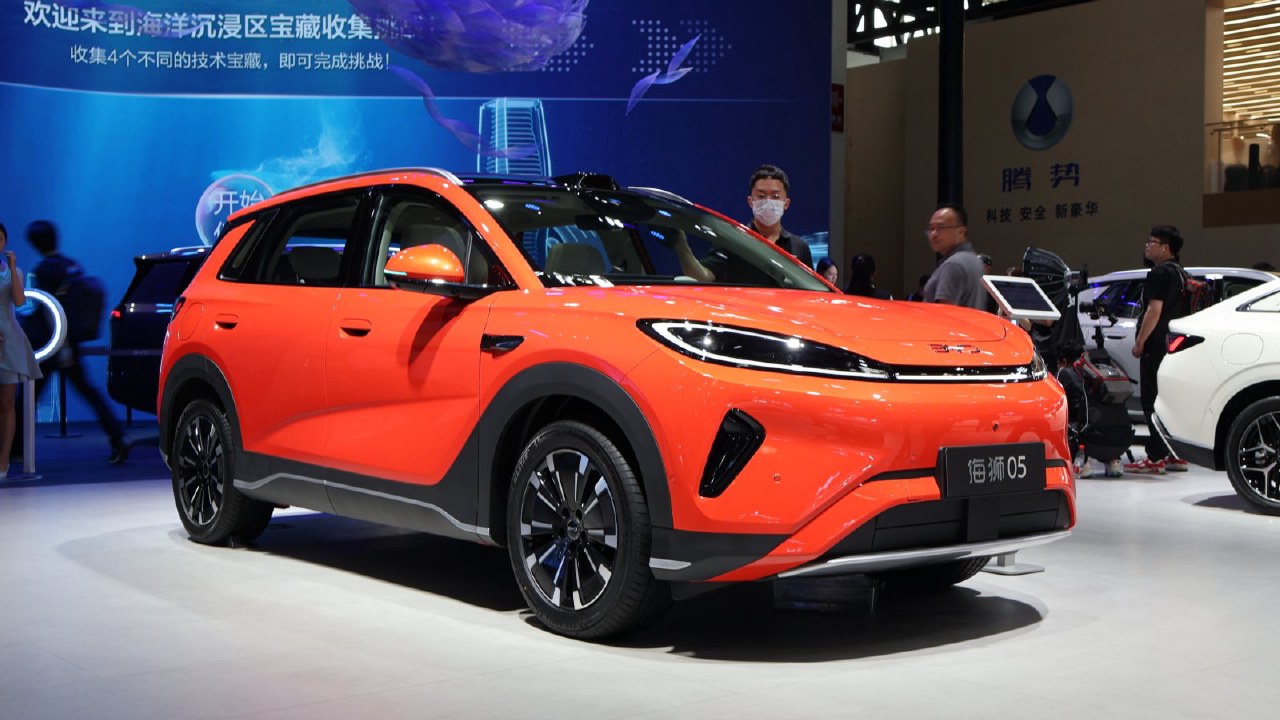
The European Commission is developing safeguard measures to limit imports of hybrid vehicles manufactured in China. These restrictions aim to address the growing trade deficit with China, which currently exceeds €1 billion per day. Officials are considering the use of tariff-rate quotas to impose levies on imports that exceed specific volume thresholds.
The proposed measures are intended to be temporary. The European Union views this initiative as a test case for addressing trade imbalances across other sectors. EU trade commissioner Maros Sefcovic is scheduled to meet with Chinese Commerce Minister Wang Wentao in Beijing this week to discuss the situation, which may impact the final implementation of these plans.
This development follows a significant increase in hybrid imports from China, which grew from 3,800 units in October 2024 to 50,000 units in July 2026. Chinese brands currently account for approximately one-third of plug-in hybrid sales in Europe. In August, these brands secured a record 12 percent share of the European new car market.
Previously, the European Union imposed countervailing duties on battery electric vehicles ranging from 7.8 percent to 35.3 percent in October 2024. These duties, combined with a standard 10 percent tariff, resulted in total rates of up to 45.3 percent. The Chinese Ministry of Commerce has stated that voluntary export restraints violate World Trade Organization rules.


