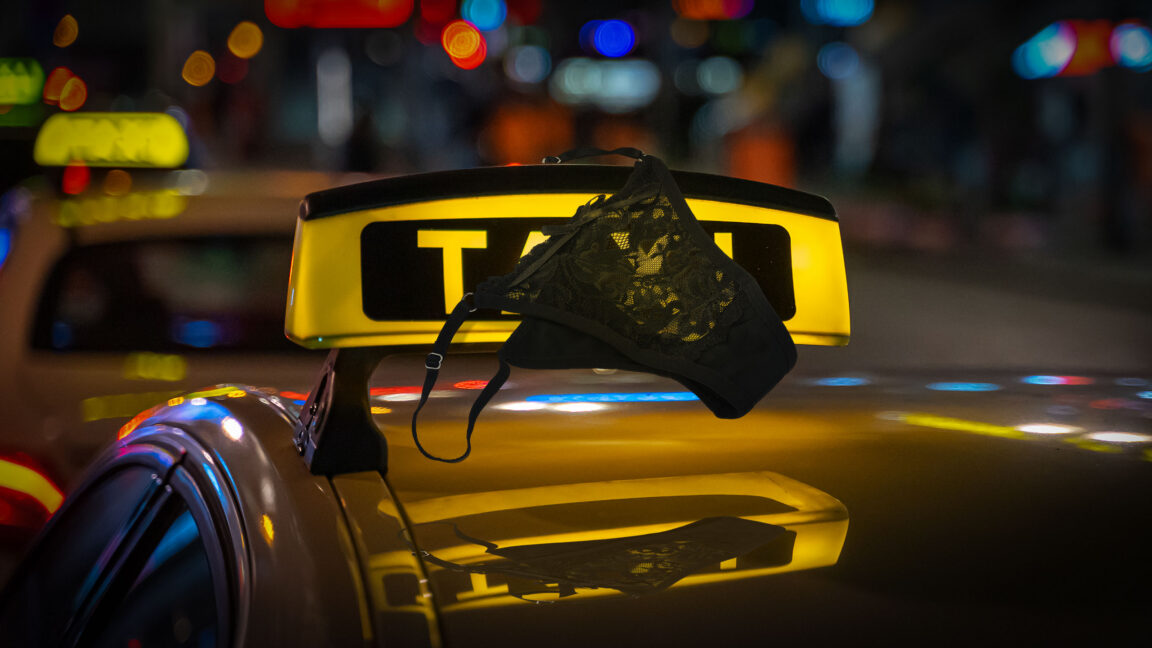
Researchers from academia and industry gathered in Sweden in late September for the Love in Traffic workshop. The event focused on addressing the use of robotaxis for sexual activities, a trend driven by content creators and tourists. Alexandros Rouchitsas, a human factors and UX researcher, highlighted that autonomous vehicles are often viewed as convenient, soundproof studios.
Cultural and legal differences present significant challenges for operators, as some regions have strict laws regarding public conduct. In some markets, such as India, users book individual seats rather than the entire vehicle, which naturally limits privacy. Experts suggest that design choices, including the use of transparent materials and the removal of curtains, could mitigate these issues.
Proposed solutions include using AI assistants to monitor cabin activity and provide warnings to passengers. These systems could act proactively, similar to existing occupant monitoring technology that detects intoxication. Such tools would remind riders that privacy in a robotaxi does not equate to the privacy of a bedroom, suggesting that conduct should align with public or professional standards.
Companies like Waymo and Zoox, which develop purpose-built autonomous vehicles, were contacted for comment on their policies regarding passenger behavior but did not provide a response. The discussion continues as designers look for ways to adapt vehicle interiors to prevent misuse while maintaining user experience.