

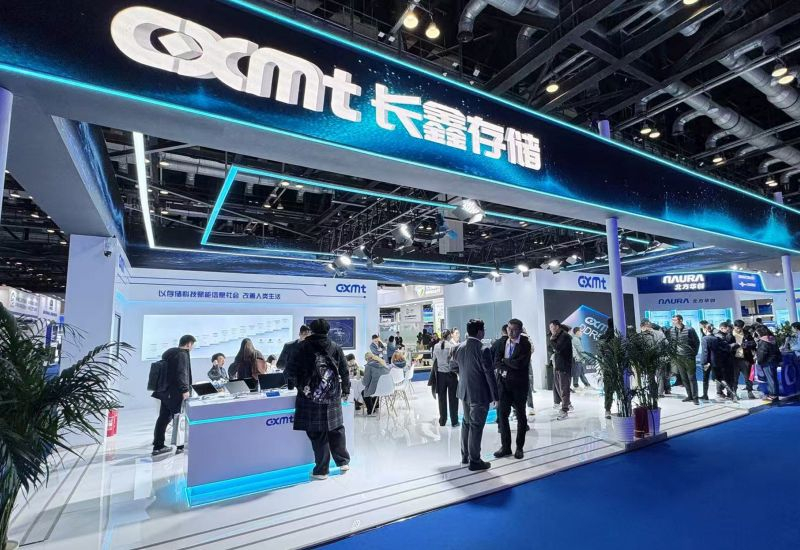
Chinese semiconductor manufacturer CXMT plans to launch DDR5 RDIMM memory based on the 4F2 cell architecture by the end of 2026. This transition aims to increase memory density on the silicon die compared to the industry-standard 6F2 architecture.
The move to 4F2 is largely driven by US sanctions, which restrict CXMT's access to advanced lithography equipment. Unlike its competitors, the company cannot rely on simpler methods to boost density and must adopt more complex manufacturing processes earlier.
Samsung and SK hynix, which face fewer equipment restrictions, are also developing 4F2-based memory but are not rushing the transition. These companies are exploring High-NA EUV equipment from ASML to further scale their production.
Industry experts note that adopting 4F2 architecture presents significant technical challenges, particularly regarding heat dissipation. CXMT faces the dual task of overcoming these thermal issues while simultaneously scaling up mass production.



