Developer Panchovix has released three tools enabling users to run modified VBIOS on NVIDIA GeForce RTX 30, 40, and 50-series graphics cards. This method bypasses the need to write data to the flash chip, avoiding potential risks associated with traditional flashing.
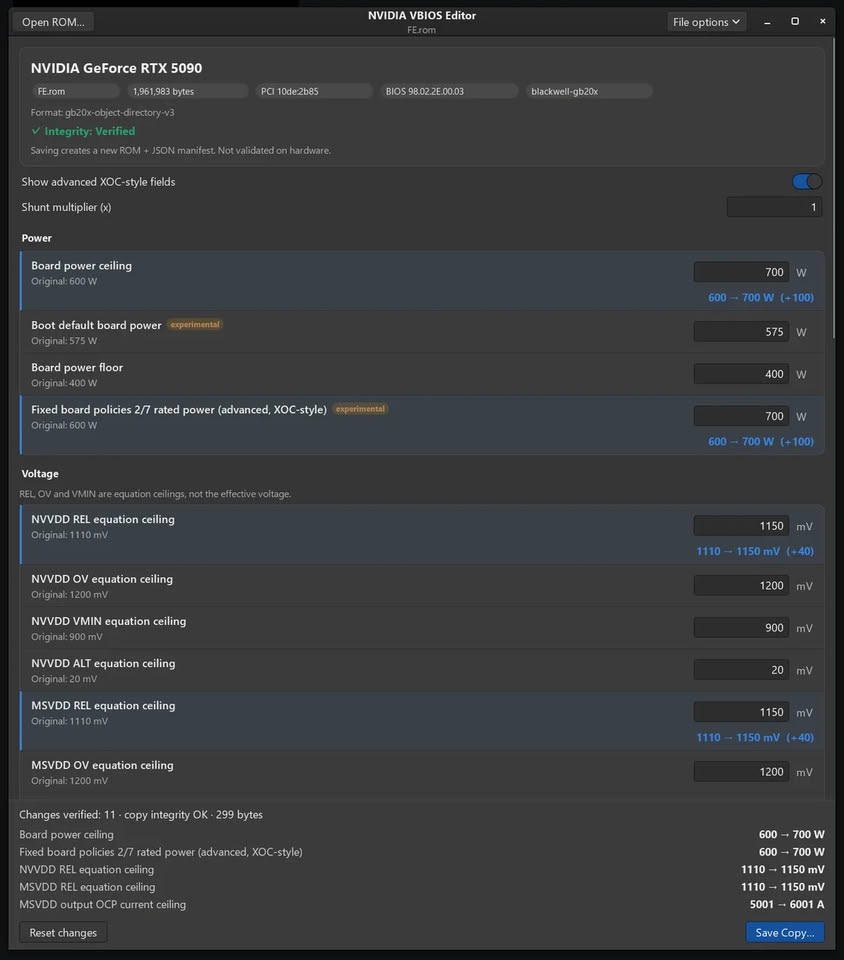
The VBIOS editor allows users to adjust power limits, voltage ceilings, current limits, fan channels, and core or memory offset ranges. On Windows, the loader saves the modified image in the driver registry key, applying it as an override upon device startup. The Linux version patches NVIDIA kernel modules to load the custom image via GSP firmware.
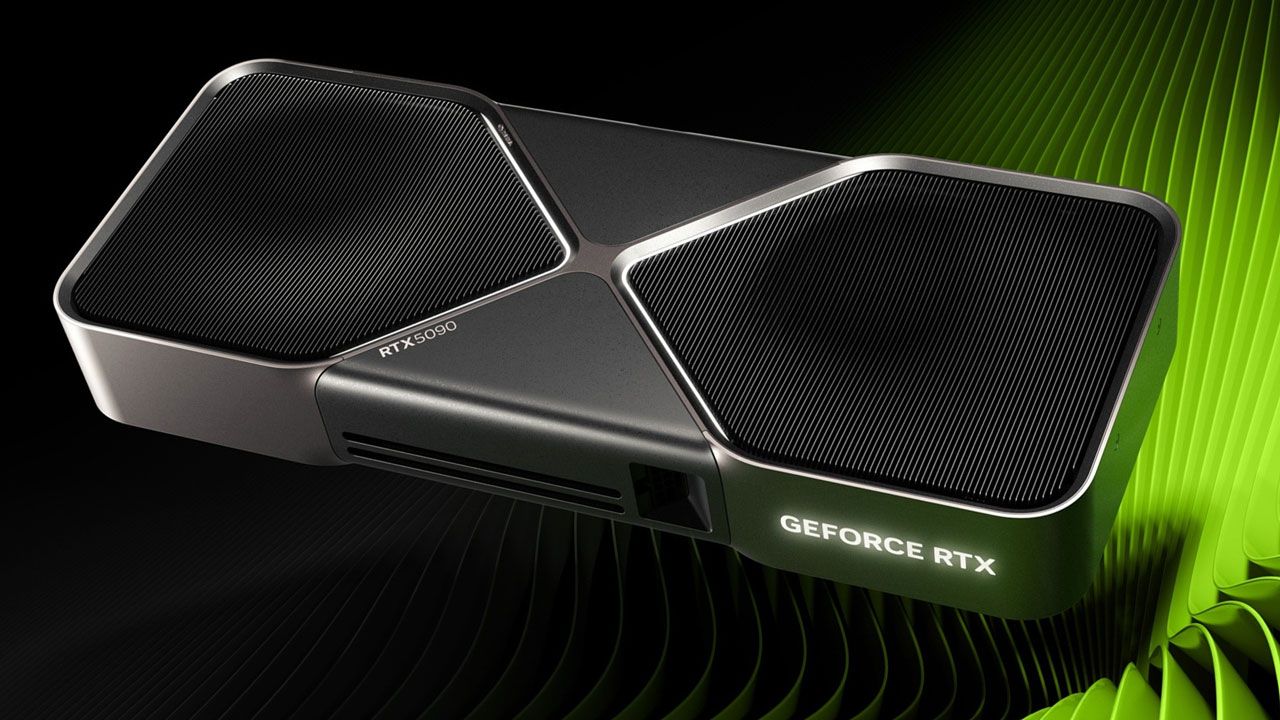
Testing on an RTX 5090 Founders Edition showed an increase in the power ceiling from 600 W to 700 W, with voltage ceilings rising from 1,110 mV to 1,150 mV. An RTX 4090 saw its power limit increase from 550 W to 671 W, while its core offset range doubled to 2,000 MHz.
Further tests by the developer demonstrated significant power limit increases: the RTX 5090 reached 800 W, the RTX 5080 moved from 360 W to 500 W, and the RTX 5060 Ti increased from 185 W to 300 W. Currently, laptop RTX 40 GPUs are not supported, and memory timings remain uneditable.