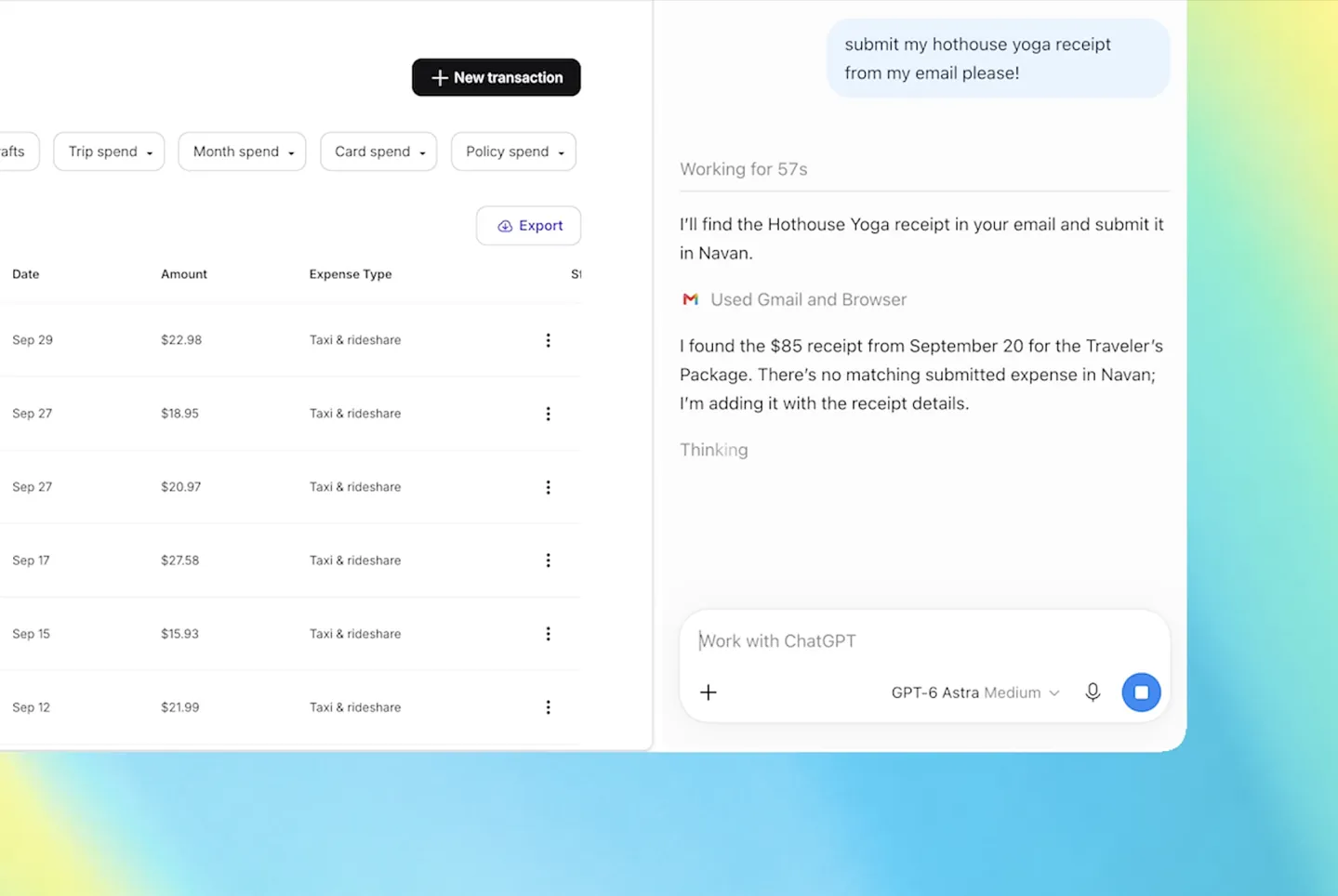
The chrome-bridge project provides a bridge between a local Chrome browser and AI agents via a browser extension and a Node.js CLI. It allows agents to access a user's existing browser sessions, tabs, and SSO-authenticated accounts without requiring cloud synchronization or specific vendor ecosystems.
The architecture consists of a background script, a WebSocket connection, and a local Node server. The tool generates an accessibility tree of the webpage, which significantly reduces context size compared to screenshots. For example, a page tree takes 2.4 KB, while a 1000px wide screenshot takes 16 KB.
The CLI supports various AI agents, including Claude Code, Cursor, and DeepSeek, by executing commands like snap, click, fill, and shot. It includes a --trusted mode using DevTools Input to bypass synthetic event restrictions and provides action diagnostics such as succeeded, needs_human, or blocked.
The project includes a circular log for action history, allowing users to export replayable scripts. Security is managed by restricting the server to 127.0.0.1. The tool is open source under the MIT license and is available on GitHub and the Chrome Web Store.