

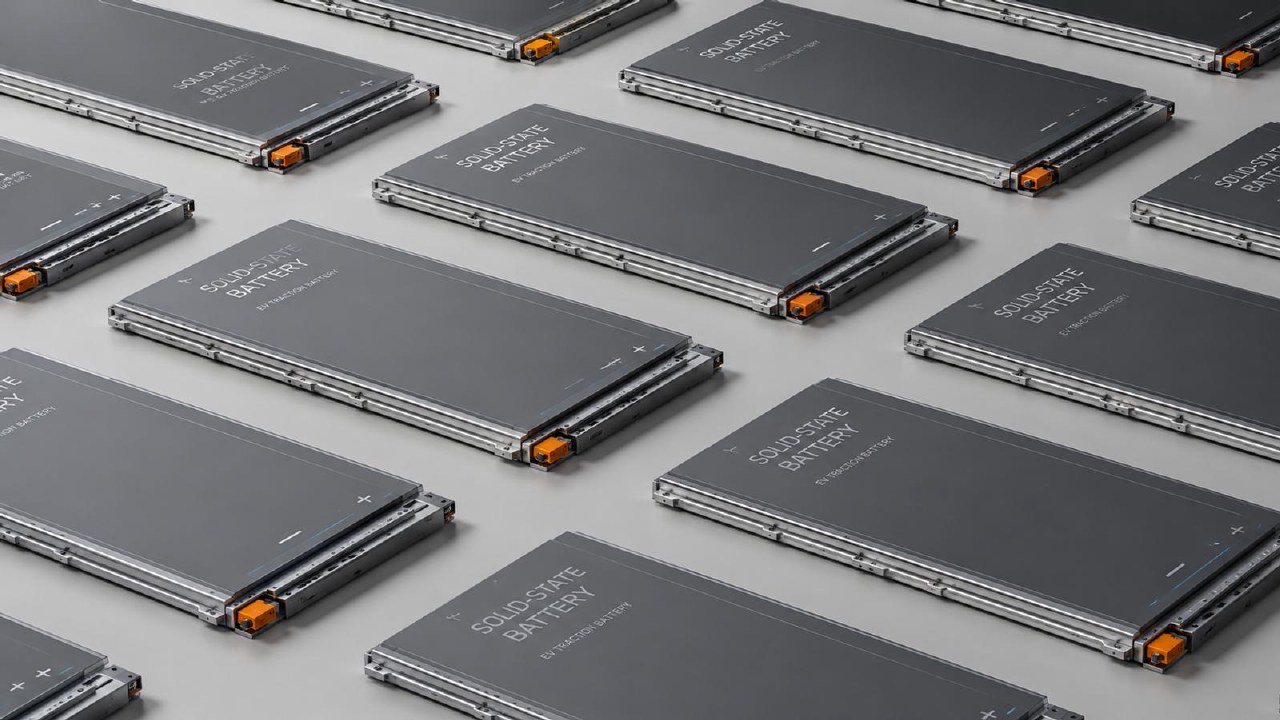
China has unveiled a development plan for the battery industry spanning 2026–2030, spearheaded by the Ministry of Industry and Information Technology. The strategy aims to achieve mass adoption of solid-state batteries by 2030, addressing current technical hurdles such as ion conductivity, cell degradation, and high manufacturing costs.
The government is pushing for significant performance improvements in lithium batteries, targeting a lifespan of 15 000 charge-discharge cycles. Leading manufacturers are also expected to reduce production defects to a single-digit rate per billion units. Additionally, the plan promotes the development of sodium-ion battery technology.
To enhance competitiveness, authorities are encouraging industry consolidation through mergers and restructuring. The state also aims to reduce reliance on foreign raw materials by expanding domestic lithium and cobalt mining operations, while implementing mandatory battery recycling systems and digital tracking passports.
While 2030 is the target for widespread implementation, commercial solid-state batteries may emerge sooner, with companies like CATL eyeing 2027. Initially, these high-cost components will likely be reserved for premium electric vehicles before scaling to mass-market models as production costs decrease.



