

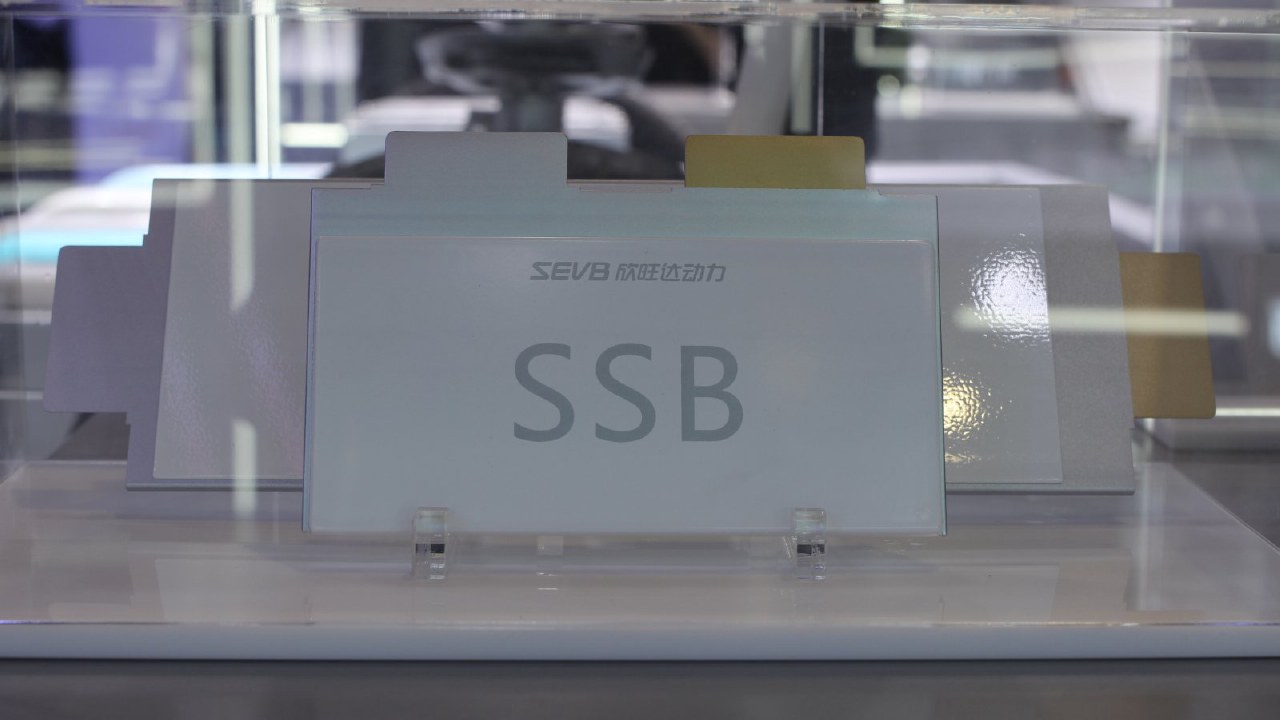
The Chinese Ministry of Industry and Information Technology, alongside six other government agencies, has published a five-year development plan for the battery industry covering 2026 through 2030. The roadmap prioritizes the commercialization of all-solid-state batteries, aiming for large-scale deployment by the end of the decade.
Technical objectives include increasing the lifespan of lithium batteries to 15 000 charge-discharge cycles and reducing product defect rates to the parts-per-billion level. The strategy focuses on advancing electrode materials, electrolytes, and manufacturing equipment, such as isostatic presses for solid-state production.
The plan outlines a diversified supply system centered on lithium, sodium, and flow batteries. For sodium-ion technology, the government emphasizes cost efficiency and safety, targeting the development of cold-resistant, high-energy-density power units and long-cycle energy storage solutions.
To ensure supply chain security, the document encourages corporate mergers and restructuring, alongside the development of domestic mineral resources like lithium and cobalt. Companies are also required to establish battery collection systems proportional to their sales volumes.
The initiative introduces a digital identity management system for batteries, exploring international passport standards and carbon footprint data recognition. This follows a broader automotive strategy that targets a 70 percent market share for new energy vehicles in China by 2030.



