

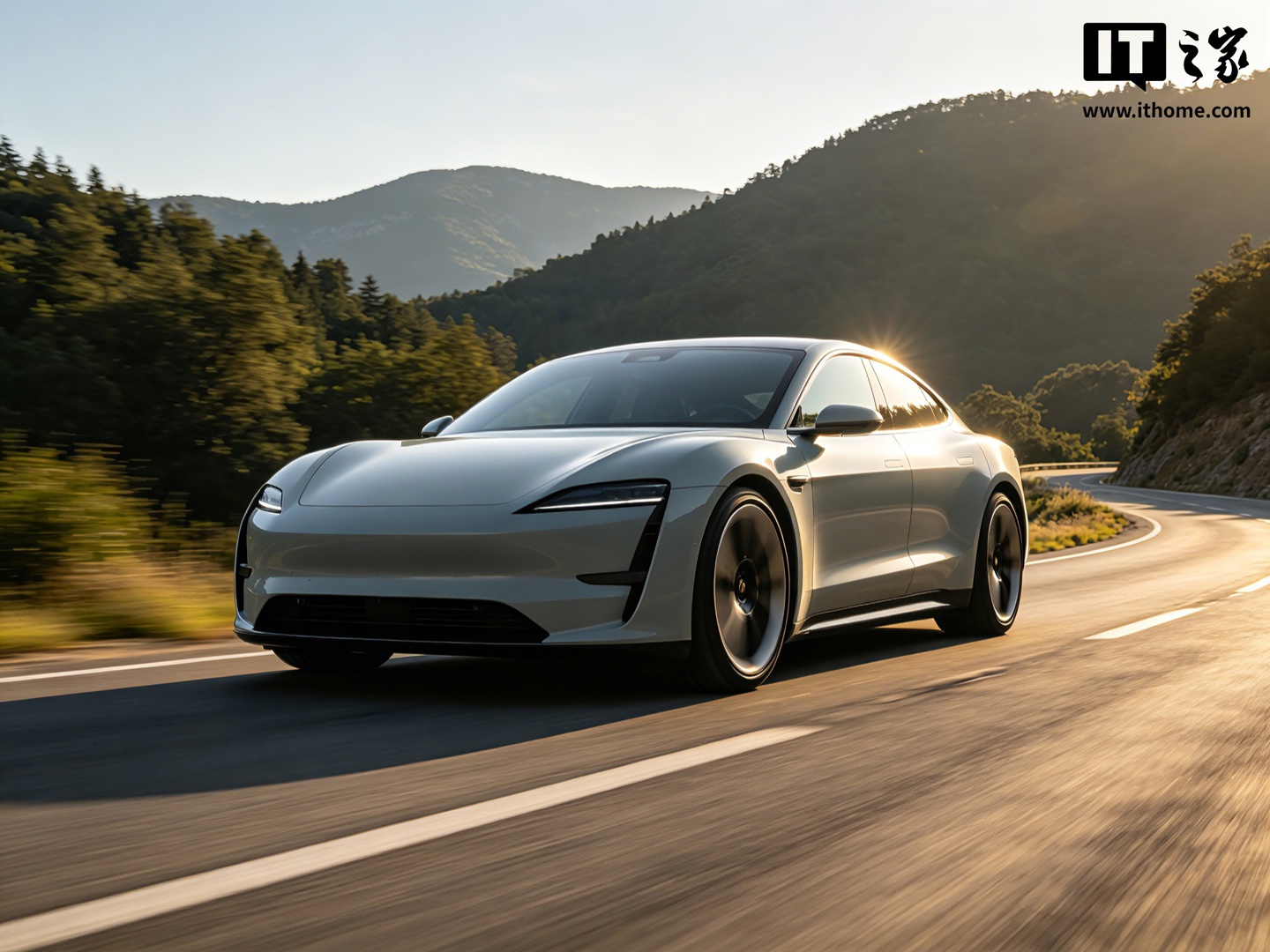
According to Cui Dongshu, secretary-general of the CPCA, retail sales in the passenger car market rose by 5.5% month-on-month in August 2026. This growth is attributed to a combination of factors, including high fuel prices, macroeconomic conditions, policy expectations, and the impact of the Chengdu Motor Show.
International oil prices remain volatile due to geopolitical tensions in the Strait of Hormuz. Domestic gasoline prices in China have increased by more than ¥1720 per ton cumulatively in 2026, with a rise of ¥180 since late July. This has significantly increased the cost of operating fuel-powered vehicles, leading to a sharp decline in demand for traditional passenger cars.
Manufacturing PMI for August rose by 0.6% to 49.8%, remaining below the expansion threshold. Market activity showed a trend of low initial traffic followed by higher volume, influenced by summer holidays in the first half of the month and the Chengdu Motor Show in the latter half.
The implementation of new national safety standards for new energy vehicles has prompted product iterations and a shift from price-based competition to value-driven competition. Cui Dongshu notes that fiscal stimulus and policies to expand domestic demand provide a foundation for the market, suggesting that the current downturn is a structural fluctuation rather than a long-term decline.



