

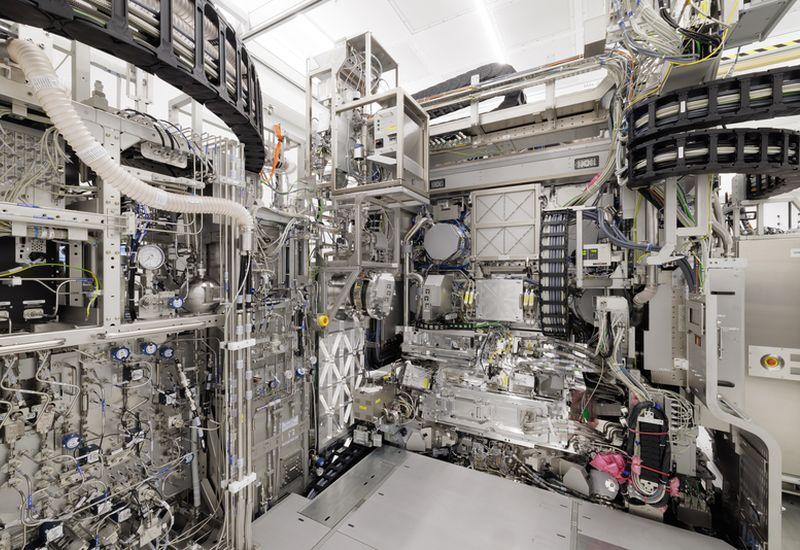
China is working on domestic DUV lithography systems to bypass export restrictions on ASML scanners. The Shanghai-based company Yuliangsheng, supported by the SiCarrier startup, has developed a DUV system prototype. This equipment is currently being tested by Huawei and the contract chipmaker SMIC.
SMIC is testing the system for 28nm chip production and is attempting to adapt it for 7nm chips using multiple patterning. Yuliangsheng, with support from SMEE, is producing prototypes with varying components, some of which are imported. Industry sources suggest that Zeiss optics, officially sold only to ASML, are being used in these prototypes via the secondary market in China.
Huawei is acting as a project manager coordinating national efforts to solve critical bottlenecks in optics and laser sources. Through its Habo investment arm and the Shenzhen Yuanzhi Xinghuo fund, Huawei is funding Fujian Zhiqi Photonics to develop high-precision optics to replace Zeiss solutions. Fujian Zhiqi Photonics spun off from Castech in 2022.
To address laser source issues, Huawei is investing in Beijing-based RSLaser Opto-Electronics, which provides light sources for Chinese DUV systems. RSLaser has previously supplied light sources for SMEE's previous generation DUV equipment. Yuliangsheng is expected to release 12 DUV scanners by the end of the current year.
Despite these developments, Chinese chipmakers continue to rely on ASML equipment purchased before sanctions. Memory chip manufacturers CXMT and YMTC have a three-year supply of such equipment. Market experts from Bernstein and other Western participants believe Chinese alternatives lag behind foreign samples by at least 15 years.