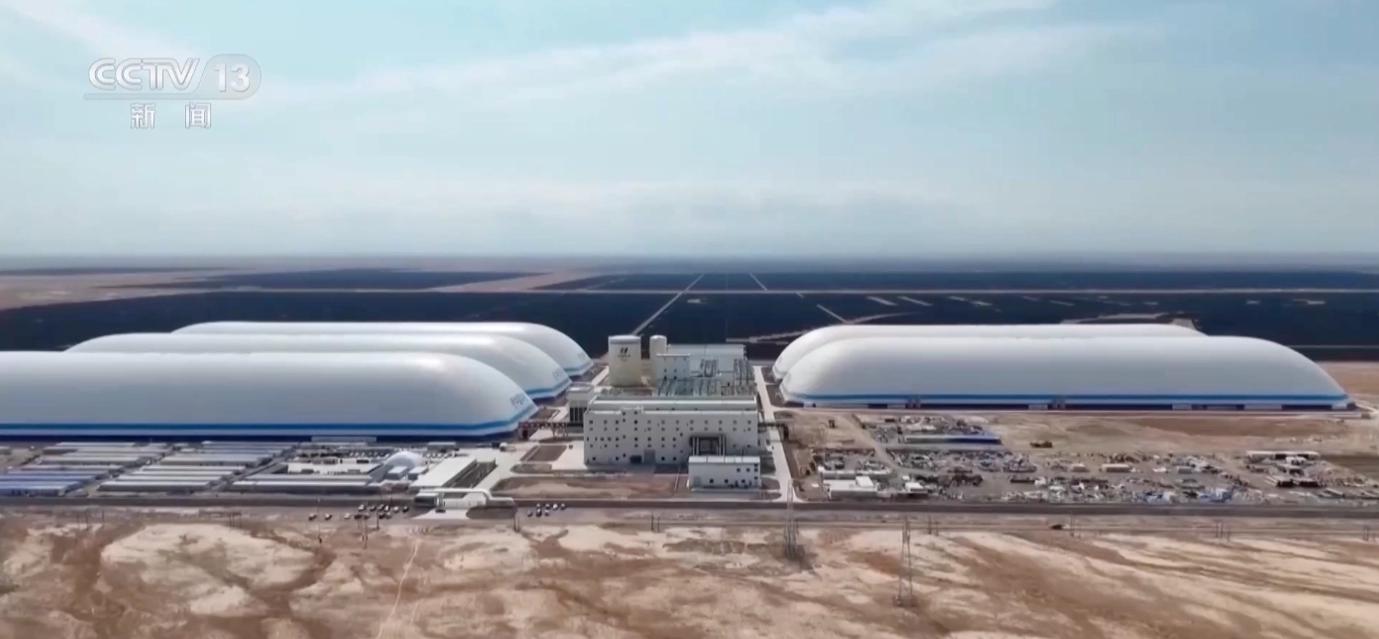
The China Huadian Xinjiang Mulei facility, located in the Xinjiang region, has officially joined the power grid. This 100 MW energy storage system utilizes compressed carbon dioxide rather than traditional lithium-ion batteries to balance electricity supply and demand.
The plant operates by compressing CO2 during periods of low energy consumption, storing it in liquid form. When demand peaks, the system uses stored heat to expand the gas, which then powers a turbine. The facility includes five gas storage tanks, 141 liquid storage modules, and 97 heat storage modules.
The system can generate electricity continuously for over six hours. Projections indicate it will store up to 290 million kWh during off-peak hours and return approximately 180 million kWh to the grid during peak times. Startup of the facility takes only a few minutes.
Developers highlight that this technology does not require specific geological conditions, unlike other large-scale storage solutions that often depend on underground cavities. The project relies on domestic design and manufacturing, offering a reliable and cost-effective alternative for grid stability.