

The Ministry of Natural Resources of China reported that the country holds the world's largest reserves of 14 minerals, including rare earths, tungsten, and tin. In 2025, geological exploration investment in China saw its fifth consecutive year of growth, leading to the discovery of 200 new non-oil and gas mineral sites.
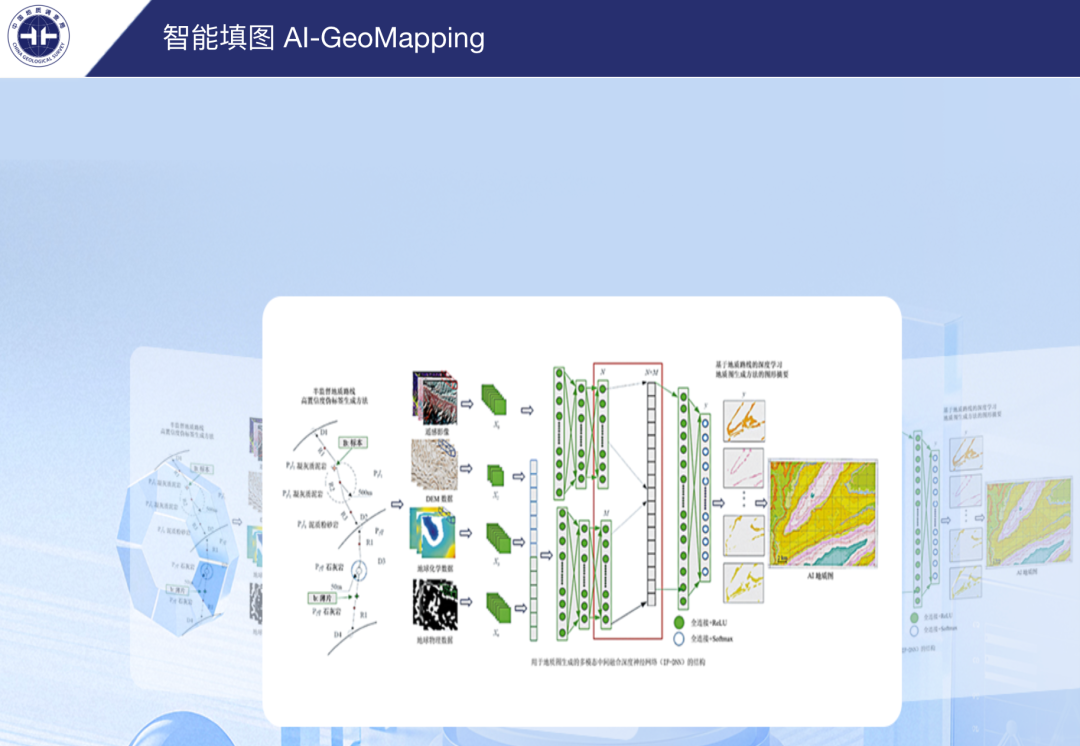
The Ministry introduced two new systems: Intelligent Mapping and Intelligent Prospecting. The Intelligent Mapping system uses deep learning to analyze geological data, achieving an identification accuracy of over 90 percent. This technology improves data processing and mapping efficiency by more than 50 percent compared to traditional methods.
The Intelligent Prospecting system functions as a data analysis tool, utilizing a knowledge graph of one million entries and over 200 algorithms to identify mineral targets and generate 3D geological models. In the West Qinling gold mine, the system completed work in 5 days that previously required over a month, identifying 2 target areas and 4 favorable zones.
The system is currently deployed across various regions, including the Qinling and Jiaodong metallogenic belts, as well as the Baiyun Obo mining area. Furthermore, the China Geological Survey is discussing potential international cooperation for the system's application with countries such as Saudi Arabia and Uzbekistan.


