

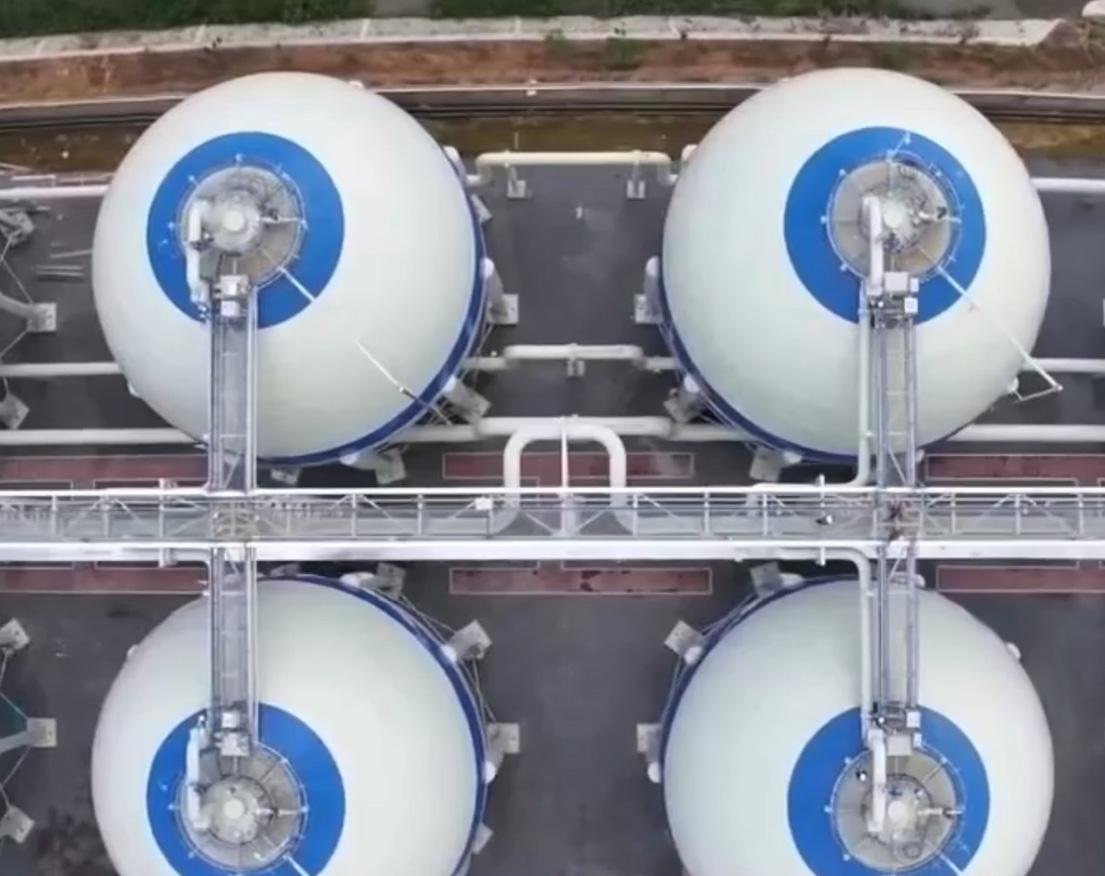
The new facility in China's Jiangsu province consists of two energy blocks, each with a capacity of 350 MW, bringing the total installed capacity to 700 MW. The system functions as a large-scale energy storage unit that utilizes compressed air instead of traditional lithium-ion batteries.
During periods of low demand, the plant uses excess electricity to power compressors that pressurize atmospheric air to over 130 atmospheres. This air is then stored in salt caverns located at a depth of approximately one kilometer. The heat generated during compression is captured and stored in a separate system.
When the grid requires power, the stored air is released and heated using the captured thermal energy to drive turbines and generators. The facility can store up to 2.8 GWh of electricity per cycle and is designed for approximately 330 charge-discharge cycles annually.
The project aims to balance the energy grid by storing surplus power from solar and wind farms. During testing, engineers verified the performance of both 350 MW units, confirming that the equipment operates stably without the need for fossil fuels during the discharge phase.



