CATL has solidified its position as a global leader in the battery industry, securing the top spot in patent applications over the last decade. According to PatSnap data from October 2016 to September 2026, the company filed 26,574 patent families, surpassing LG Energy Solution's 22,597. This growth reflects a broader trend of Chinese firms overtaking long-standing Japanese and Korean competitors in technical research.
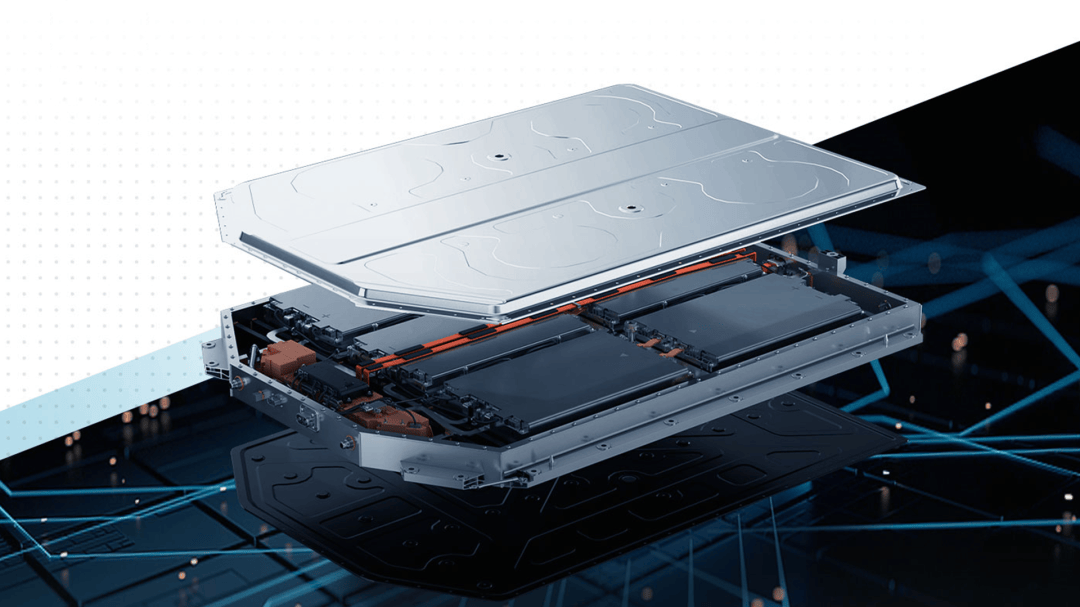
The company's market dominance is supported by significant production scale. In 2025, CATL's global power battery usage reached 464.7 GWh, accounting for a 39.2% market share, marking its ninth consecutive year as the global leader. As of the first eight months of this year, its market share rose to 39.4%. CATL's output now exceeds the combined market share of the second and third-ranked competitors, BYD and LG Energy Solution.
CATL continues to prioritize R&D, with 16,722 patent applications filed in the last three years alone, representing approximately 61% of its total portfolio. The company is also leading in next-generation technology, holding 3,538 total patent applications for solid-state batteries, with 2,763 of those filed in the last three years. This focus on future tech accounts for 61% of the total solid-state battery patents held by the top 10 industry players.
Strategic partnerships remain a core pillar of CATL's operations. On October 10, the company signed a long-term strategic agreement with Seres. Since the inception of the AITO brand, all models have utilized CATL batteries, with cumulative deliveries exceeding 1.2 million vehicles. The companies plan to deepen cooperation in battery safety, supply chain synergy, and global ecological development.
Consumer perception is increasingly aligning with CATL's technical standing. According to a 2026 NielsenIQ report, 75% of overseas respondents trust CATL, compared to 67% for LG Energy Solution. In China, 37.1% of consumers stated they would reconsider purchasing a vehicle if it were not equipped with a CATL battery, highlighting the brand's influence on end-user purchasing decisions.