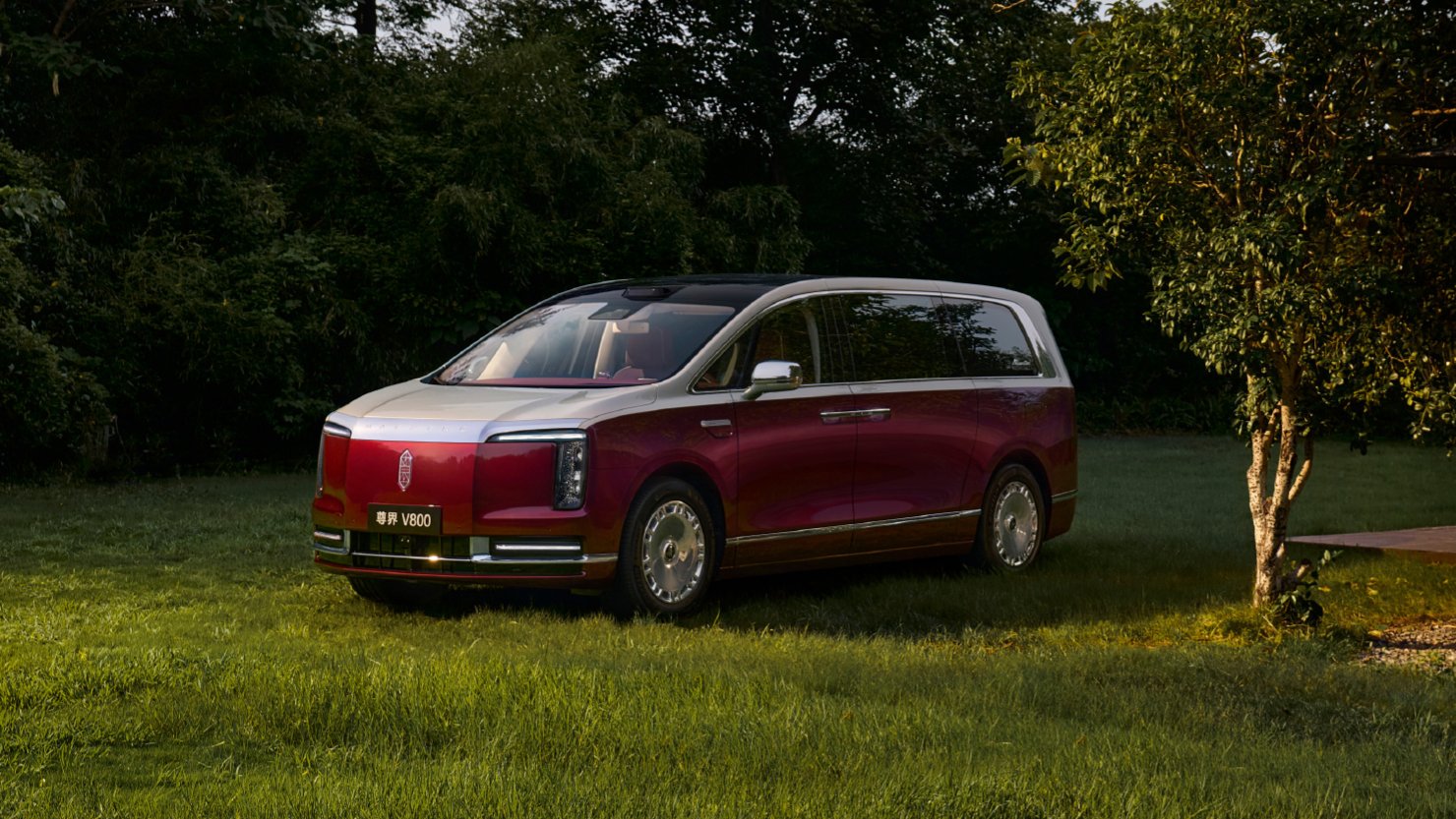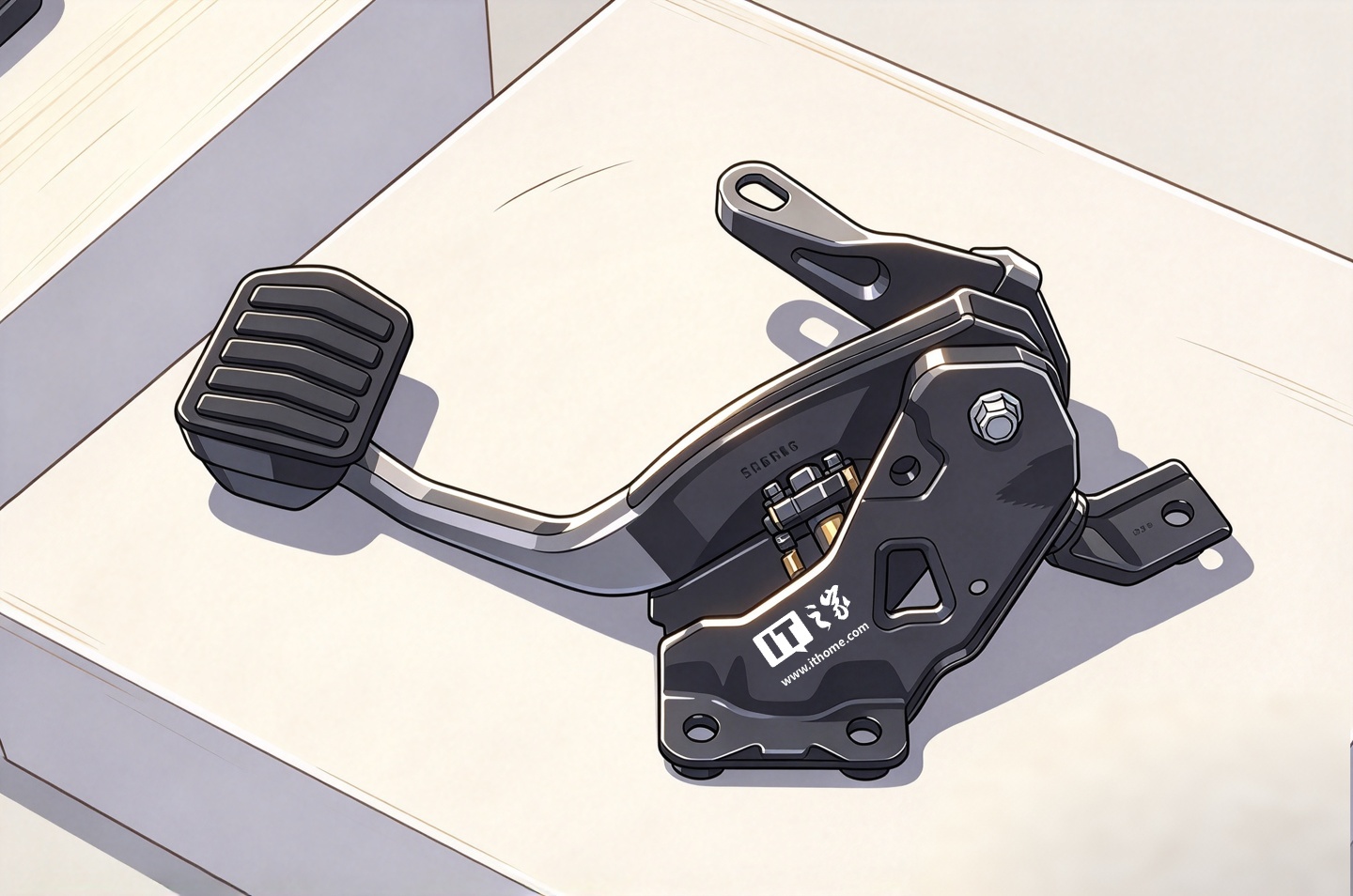
The China Automotive Technology and Research Center (CATARC) has issued an urgent survey to major automakers regarding the materials used in brake pedal assemblies. The inquiry specifically focuses on the use of non-metallic materials in these components. Industry observers suggest this move is a precursor to potential revisions in national safety regulations.
Current mandatory national standards only specify that the pedal force must be less than or equal to 500N during maximum braking efficiency. A separate recommended standard suggests that pedals should withstand a force of 1500±20N applied for 5 seconds, repeated 5 times, with permanent deformation not exceeding 5mm and no visible cracks.
In the absence of stricter national requirements, the structural integrity of brake pedals remains largely dependent on internal corporate standards. Several executives have recently disclosed their companies' specifications: Lantu uses a multi-layer high-strength steel beam design, while GAC Honda's Accord pedal is made of high-rigidity steel capable of withstanding over 3000N.
Other manufacturers have also highlighted their safety protocols. Mushi Automotive stated that its entire product line utilizes high-strength materials that exceed national standards. Meanwhile, BYD confirmed that the Yangwang brake pedal is made of metal and adheres to an internal corporate standard of 2500N.