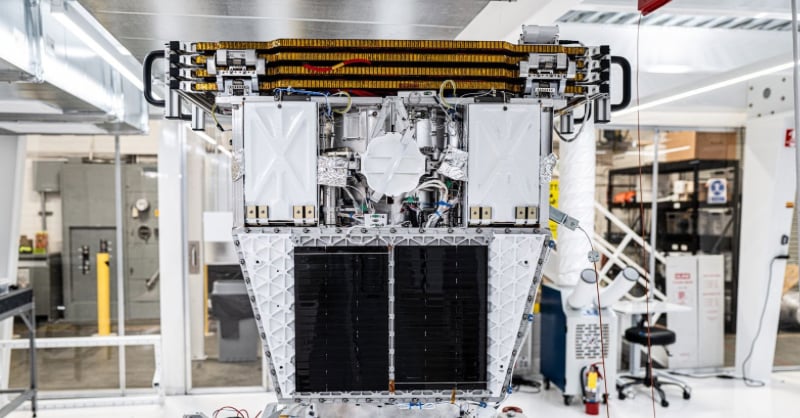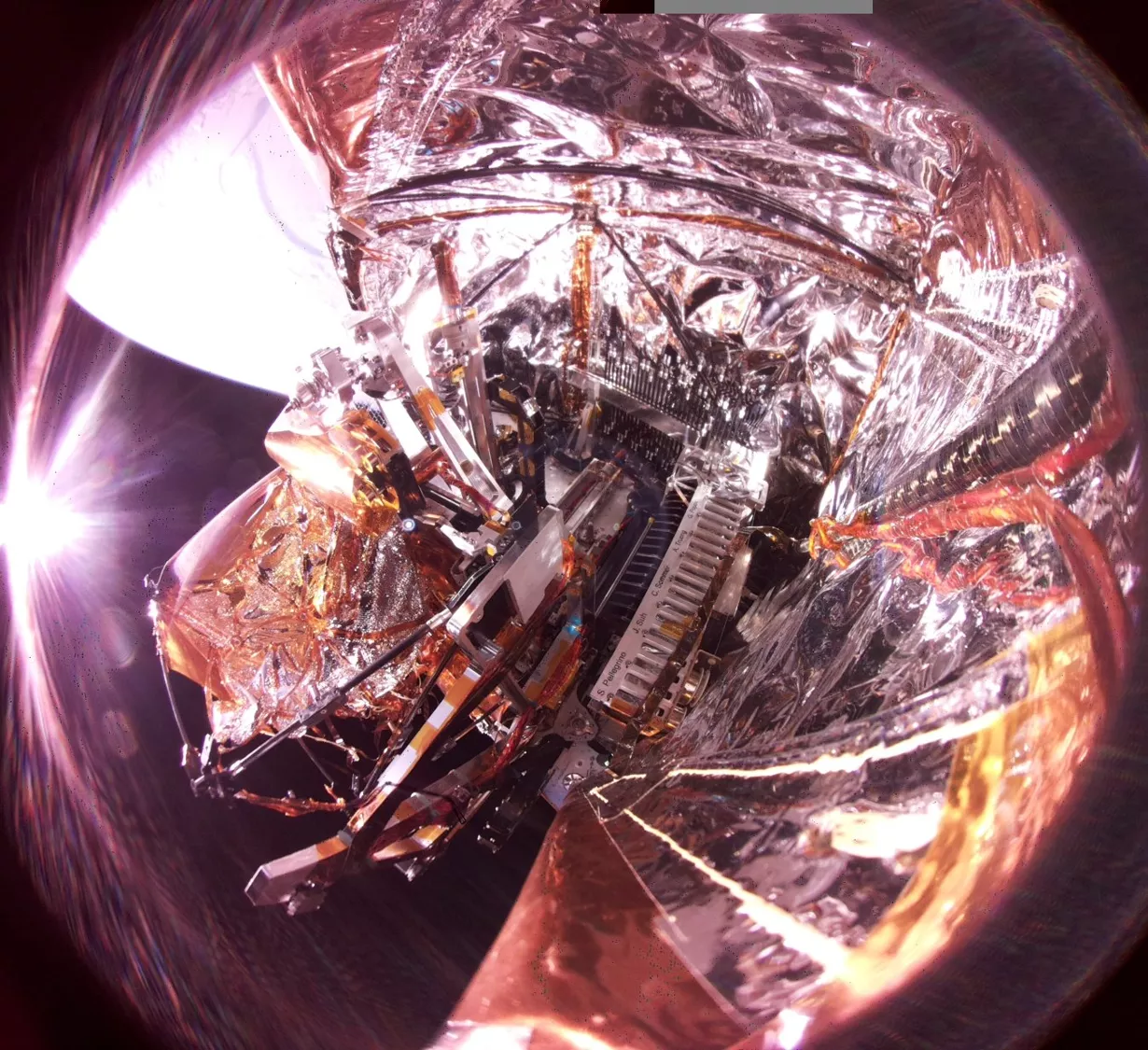
The California Institute of Technology has successfully tested the ASTRA autonomous space assembly system in orbit. This project, funded by DARPA under the NOM4D initiative, marks the first time a robotic system has independently constructed a structure in space without human intervention.
The ASTRA system spent six months in orbit attempting to assemble a 1.4-meter diameter reflector antenna. The robot used mechanical arms to connect composite fiber tubes and aluminum joints. Although the full antenna was not completed due to technical constraints, the mission successfully validated the autonomous assembly concept in a real space environment.
The development process moved from design and ground testing to the manufacturing and delivery of the flight payload in under 12 months. Researchers emphasize that the primary goal was to prove that robots can operate accurately in microgravity, vacuum, and extreme temperature fluctuations.
This technology aims to bypass the size constraints imposed by rocket fairings. By enabling on-orbit construction, future space facilities like large telescopes, communication arrays, and solar power stations could reach sizes of hundreds of meters or even kilometers, far exceeding current launch capabilities.