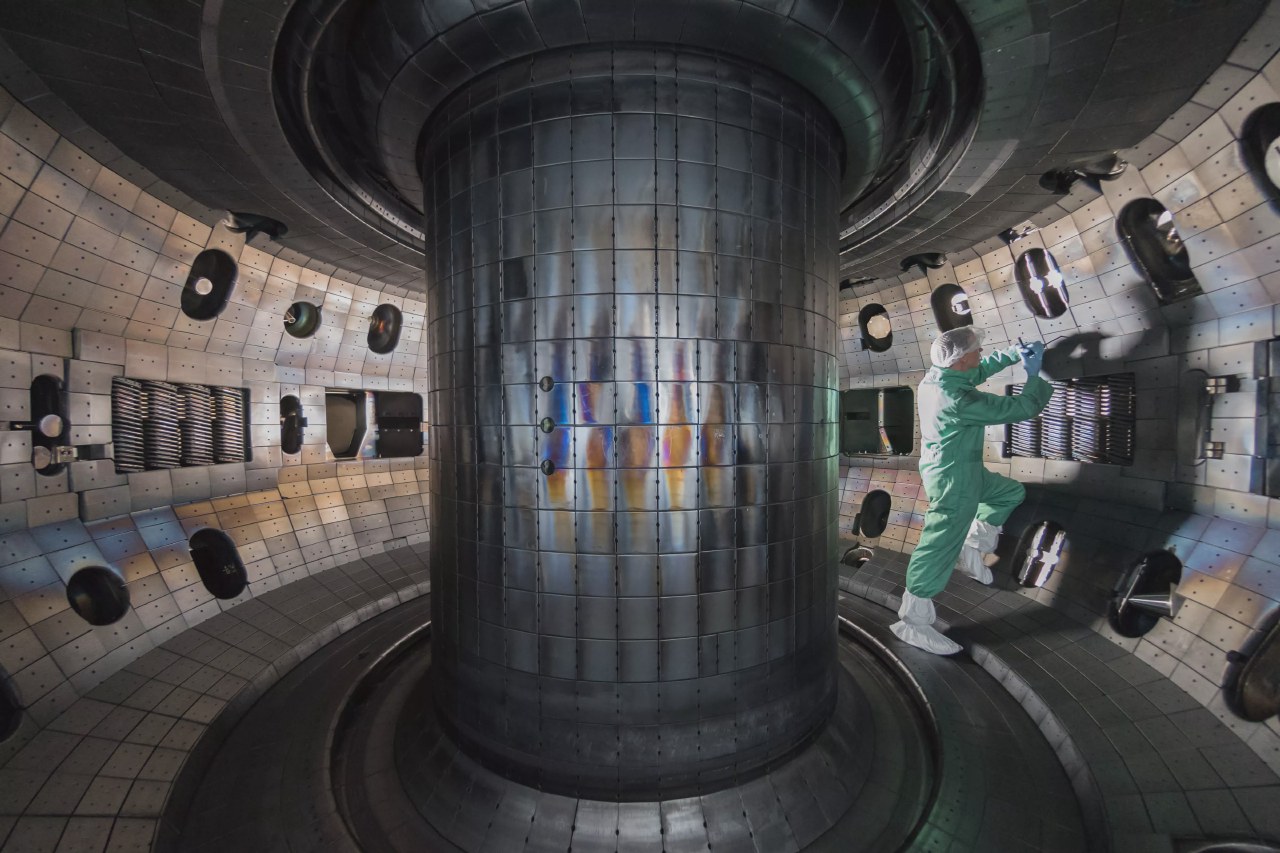
Researchers at the DIII-D National Fusion Facility have successfully validated the Helicon Current Drive technology. This method uses high-frequency radio waves to generate stable currents within plasma, bypassing the limitations of traditional central solenoid systems that currently restrict tokamak reactors to short bursts of operation.
The concept, originally proposed in the 1980s as fast-wave drive, was previously abandoned due to technical limitations in equipment and diagnostic tools. Modern advancements in tokamak facilities and antenna systems have now allowed scientists to inject radio waves with the precision required to confirm the theoretical model in high-density plasma environments.
This breakthrough addresses a critical hurdle in fusion energy: the need for steady-state operation. Unlike current designs that require frequent shutdowns to reset magnetic fields, this technology offers a pathway to continuous, long-term reactor performance, which is essential for the future commercial viability of fusion power plants.
Despite the successful validation of the principle, the technology remains in the experimental stage. Future research will focus on high-power testing, improving energy efficiency, and reducing system complexity to meet the rigorous demands of real-world power generation environments.