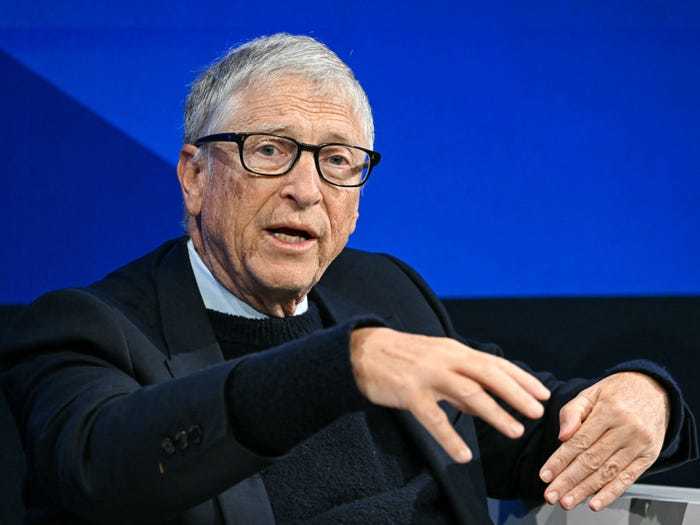
Bill Gates stated in the Decoder podcast that artificial intelligence will lead to a period of true abundance. However, he expects the next 20 years to be as turbulent as any era in human history. Gates expressed concern that this transition will create winners and losers, leading to significant societal disruption.
Gates predicts that AI will replace white-collar roles such as telemarketing, customer service, and accounting, as these tasks can be performed more cheaply and accurately by machines. Meanwhile, humanoid robots are expected to take over blue-collar jobs, including construction, farming, and surgery. He noted that human labor may eventually become unnecessary for most goods and services.
Despite the shift, Gates argues that work remains essential for providing purpose, income, and social connection. He suggests that activities like art, sports, cooking, and childcare should remain human-centric. Possible strategies for managing the transition include shorter work weeks or early retirement, concepts also supported by Jeff Bezos and Jamie Dimon.
Other industry leaders hold varying views on the impact of AI. Elon Musk anticipates a bumpy transition and suggests government-provided income, noting that production costs could drop significantly. Anthropic's Dario Amodei warns of unprecedented short-term shocks, while OpenAI's Sam Altman has expressed less concern about a potential job apocalypse.
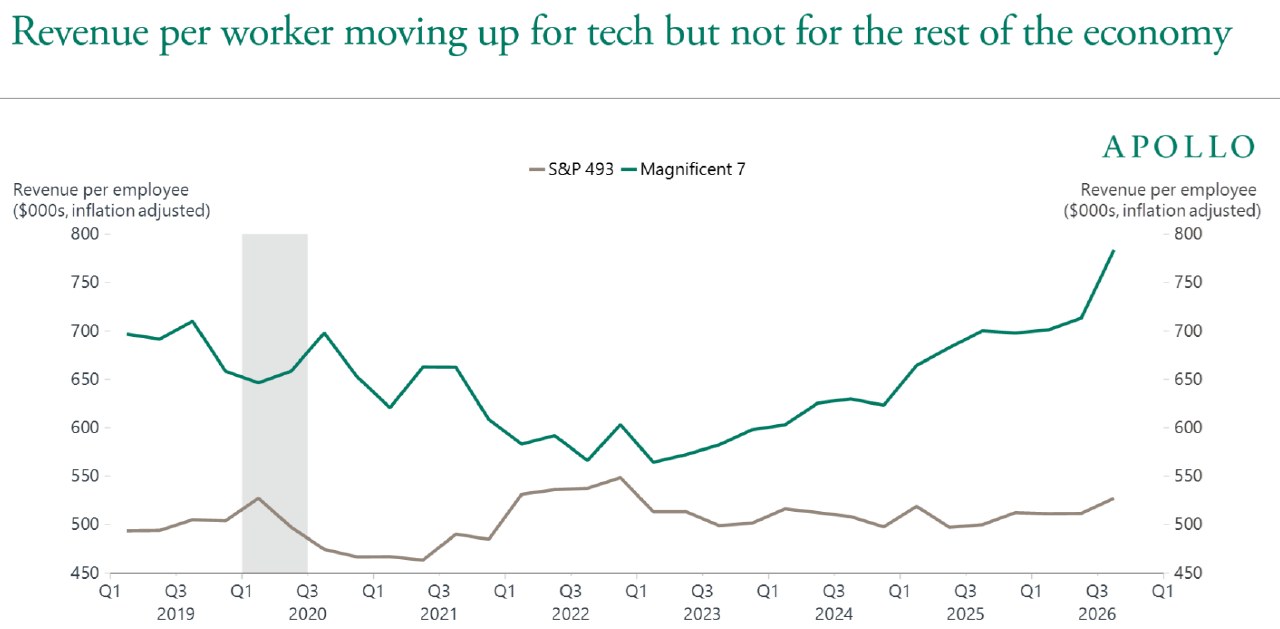
Data indicates that despite high-profile layoffs at major firms like Amazon and Meta, the overall unemployment rate in the United States has not risen significantly during the current AI boom. Gates remains focused on the long-term implications of these technologies on global humanitarian efforts and economic stability.