The test took place on October 21 near Granite Falls, Washington. During the experiment, a standard smartphone automatically switched from a terrestrial cellular network to a low-Earth orbit satellite without interrupting an active voice call or data session. According to the project participants, the handover process now occurs in milliseconds rather than seconds.
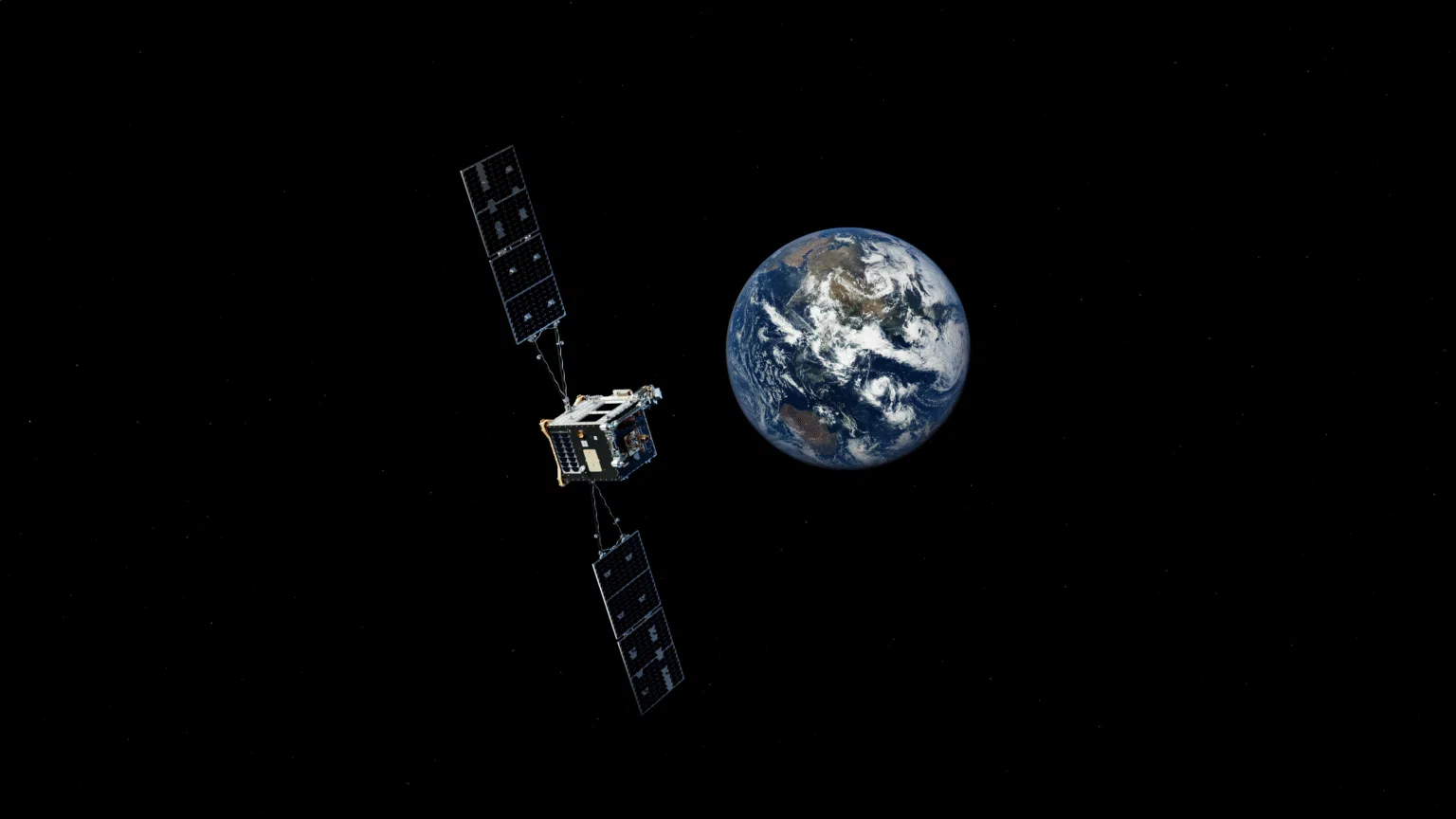
The technology relies on BlueBird satellites developed by AST SpaceMobile, which feature large antenna arrays capable of transmitting standard 4G and 5G cellular signals. This infrastructure is designed to work with existing consumer smartphones, meaning users will not require specialized satellite hardware, additional SIM cards, or manual mode switching.
Ericsson and Nokia contributed to the development of the system. Ericsson provided the network equipment and automation systems for AT&T, while Nokia supplied the radio modules and specialized software for the satellites. The companies intend for this satellite infrastructure to complement terrestrial networks in remote areas, along highways, and during emergencies.
Despite the successful demonstration, AT&T and its partners have not yet announced a timeline for the commercial launch of the service for mass-market subscribers.