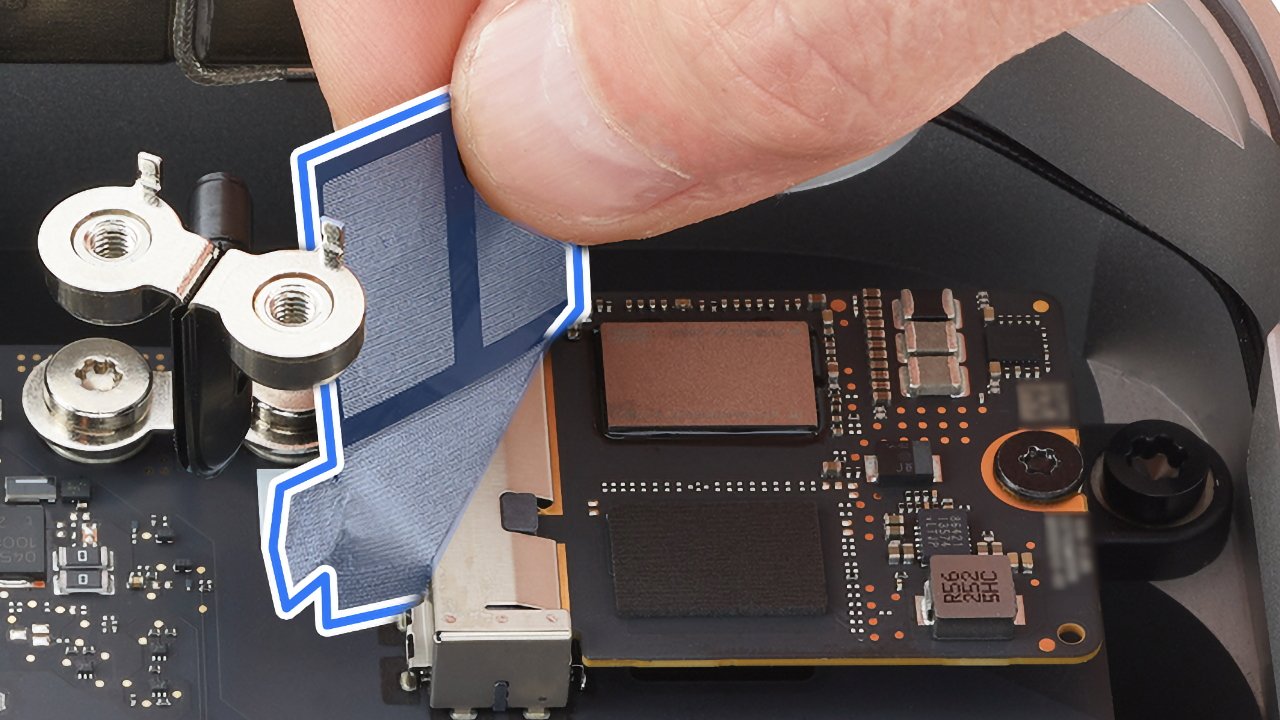
Apple has updated its desktop lineup, revealing different approaches to internal storage. The 2026 Mac mini models, including M5 Pro and M6 versions, feature NAND storage soldered directly to the logic board, preventing post-purchase upgrades. This marks a reversal from the M4 Mac mini, which utilized a modular, removable SSD design.
In contrast, the 2026 Mac Studio retains a modular SSD design. Apple has released official repair documentation for the M5 Max and M5 Ultra versions, detailing the procedure for replacing SSD modules. These modules are not standard M.2 drives, as the SSD controller is integrated into the Apple Silicon chip, and they must match the specific machine configuration.
The modular design in the Mac Studio is intended for repairs rather than user-driven capacity upgrades. Replacing these modules requires specific serial-matched parts and software configuration via DFU mode. Unauthorized modifications may void the warranty, and the proprietary nature of the modules makes third-party upgrades complex.
The shift in the Mac mini design means users must finalize their storage capacity at the time of purchase. With the storage soldered to the board, third-party upgrades are no longer feasible without high-risk, chip-level board repairs. For users requiring additional space, external storage solutions remain the primary alternative to Apple's official configuration costs.